

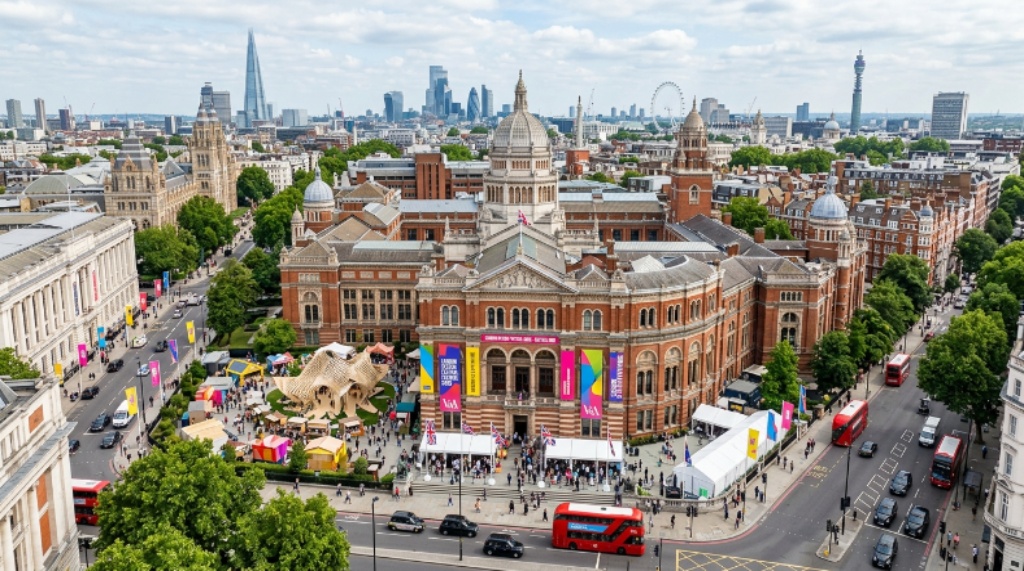
Every September, London pulls off something remarkable. The city transforms itself into the world’s most electrifying creative playground, and in 2026, it does so for the 24th time. The London Design Festival 2026 is not simply an event — it is a full-scale celebration of human creativity that stretches across museums, galleries, streets, and entire neighbourhoods. According to the festival’s official records, the 2019 edition welcomed a record-breaking 600,000 visitors from over 75 countries.
Furthermore, today more than 2,000 design businesses, universities, and brands actively participate each year. Whether you are a professional designer, a curious traveller, or simply someone who loves beautiful things, this guide covers everything you need to plan your experience.
What Is the London Design Festival?
The London Design Festival, widely known as LDF, is an annual cultural event that celebrates and promotes London as the design capital of the world. It was founded in 2003 by Sir John Sorrell CBE and Ben Evans CBE, and consequently it has grown from a relatively modest gathering into one of the most influential design events on the global calendar.
The festival is deliberately non-commercial in spirit. Its core mission is to bring together designers, thinkers, brands, educators, and everyday people in a shared conversation about the role of design in modern life. As a result, it spans an extraordinary range of disciplines, from architecture and product design to fashion, digital technology, crafts, furniture, and material innovation.
Organized by IDEA Operations Ltd and supported by cultural powerhouses including Bloomberg Philanthropies, the festival operates as a curated platform rather than a single ticketed venue. Therefore, it genuinely feels like a city-wide cultural movement rather than a trade fair. This open, inclusive approach is precisely what keeps people returning year after year.
London Design Festival 2026: Key Dates and Duration
When Does LDF 2026 Take Place?
The London Design Festival 2026 runs from 12 to 20 September 2026, spanning nine consecutive and immersive days. This places it firmly in the heart of London’s creative autumn calendar, a season when the city buzzes with cultural energy ahead of the cooler months.
The nine-day format is intentional. It gives visitors enough time to explore multiple districts and events at a relaxed pace, rather than rushing through everything in a weekend. Additionally, it gives participating brands and designers enough runway to host in-depth programming including multi-day exhibitions, workshops, and evening talks.
Here is a quick overview of key timing details:
- Start date: Saturday, 12 September 2026
- End date: Sunday, 20 September 2026
- Duration: 9 days
- Season: Autumn (London’s creative season peak)
- Official hashtag: #LDF2026
- Edition number: 24th anniversary
Why September?
September is a strategically perfect month for a design festival in London. The summer tourist rush has eased, the weather is mild, and the city’s creative and professional communities have returned from their summer breaks ready to engage. Furthermore, September in London coincides with a wider global design calendar that includes Milan’s Salone del Mobile in April and New York’s Design Week in May, meaning LDF serves as the definitive autumn chapter for the global design industry.
London Design Festival 2026 Locations: Where Does It All Happen?
The Central Hub: Victoria and Albert Museum
The Victoria and Albert Museum in South Kensington serves as the beating heart of the festival. Situated at Cromwell Road, London SW7 2RL, the V&A is not simply a backdrop — it is an active programming partner that commissions large-scale installations, curates talks, and hosts some of the most spectacular design moments of the nine-day period.
Inside the V&A, visitors can typically expect specially commissioned installations placed throughout the museum’s iconic galleries and courtyard spaces. The Grand Entrance, the John Madejski Garden, and Exhibition Road often feature statement pieces created by world-renowned designers. These works are designed to interact with the museum’s extraordinary permanent collection, creating a dialogue between historical craftsmanship and contemporary design thinking.
Admission to the V&A itself is free, which means anyone can walk in off the street and engage with the festival’s centrepiece programming. Talks and tours within the museum may require booking, so it is worth checking the official programme as soon as it is published.
Key Partner Institutions
Beyond the V&A, the London Design Festival 2026 partners with a number of other major cultural institutions across the city. These institutions extend the festival’s reach and ensure that great design is accessible to people across many different London neighbourhoods. Key partner venues include:
- The Design Museum (Kensington High Street)
- Southbank Centre (South Bank, SE1)
- Somerset House (Strand, WC2)
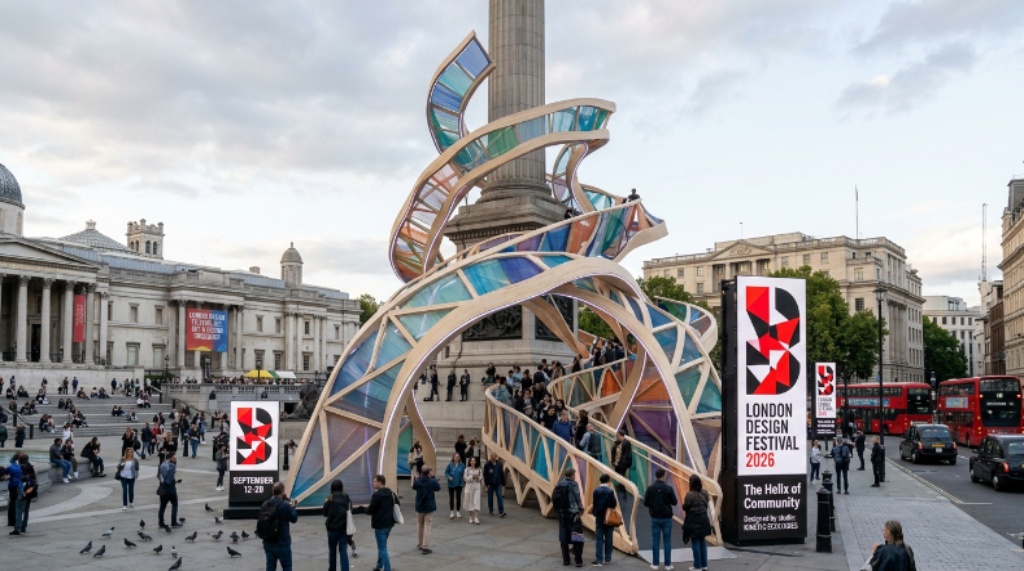
- Trafalgar Square (large-scale public installations)
- The Royal Festival Hall and surrounding Southbank spaces
Each of these venues hosts its own programming strand, meaning the festival truly radiates outward from South Kensington to cover a significant portion of central and east London.
The 10 Design Districts: A Neighbourhood-by-Neighbourhood Guide
One of the features that makes the London Design Festival genuinely unlike any other design event in the world is its district model. Rather than confining everything to a single venue or convention hall, the festival divides London into distinct design districts. Each district develops its own personality, programming, and community of participating designers and studios.
For the most recent edition, ten official design districts participated in the festival. Based on confirmed participation patterns, these same districts are expected to return in 2026:
-
Brompton Design District
Located along Brompton Road in South Kensington, this is arguably the most established and prestigious of all the districts. It sits adjacent to the V&A and benefits enormously from the foot traffic generated by the museum. Showrooms, galleries, and design studios along the Brompton Road open their doors for exclusive events, product launches, and late-night openings. Consequently, this area feels like the glamorous commercial heart of the festival.
-
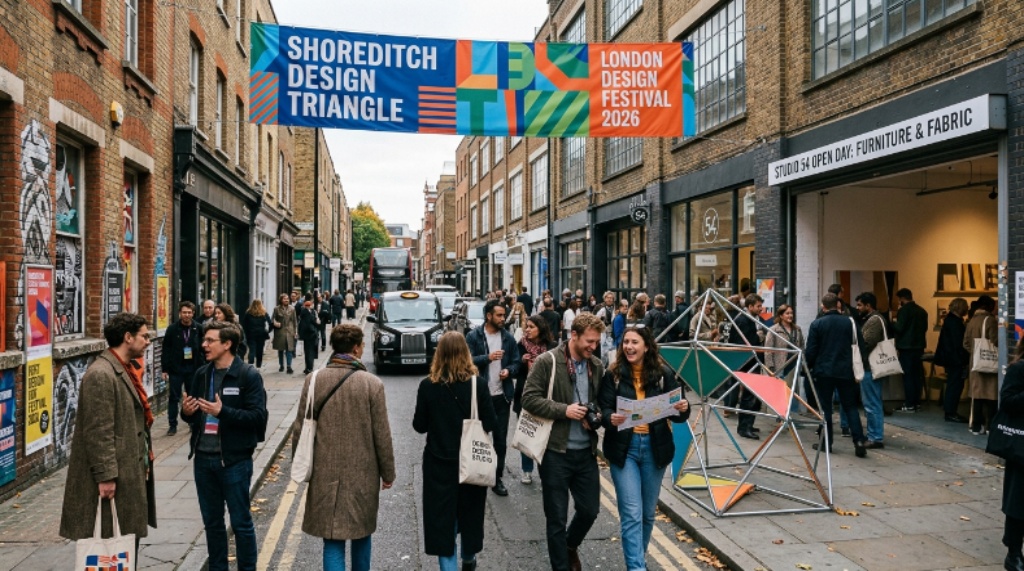
Shoreditch Design Triangle
East London’s Shoreditch has long been associated with independent creative culture, and during LDF it becomes a hotbed of experimental and emerging design. The Shoreditch Design Triangle covers a roughly triangular patch of streets between Old Street, Shoreditch High Street, and Brick Lane. Studios here tend to skew younger, bolder, and more experimental. Moreover, the neighbourhood’s vibrant restaurant and bar scene means the evenings are just as lively as the daytime programming.
-
Mayfair Design District
Mayfair brings a distinctly luxury sensibility to the festival. Galleries, interior design showrooms, and high-end furniture brands in this area cater to architects, specifiers, and collectors. Despite its exclusive reputation, many of the events here are open to the public, giving visitors a rare chance to engage with design at the very top of the market.
-
Chelsea Design District
Chelsea has a deep-rooted connection with interior design, particularly through its proximity to the Design Centre at Chelsea Harbour. During LDF, the area’s showrooms activate with new collection launches, designer talks, and open studio events. It is especially worth visiting if your interests lean toward interiors, textiles, and furniture.
-
Bankside Design District
Bankside, on the South Bank of the Thames, bridges the worlds of art and design beautifully. Its proximity to Tate Modern, the Globe Theatre, and Borough Market gives it a rich cultural context. Design studios and galleries in this district often produce programming that blurs the line between fine art and applied design.
-
EC1 Design District
The EC1 district, covering parts of Clerkenwell and Farringdon, is one of London’s most concentrated areas for architecture and design practices. During LDF, studios open their doors and the area fills with practitioners sharing their process and work with the public. Clerkenwell has the highest concentration of design businesses per square mile anywhere in the world, making this district a genuinely important stop on any LDF itinerary.
-
Dalston to Stokey Design District
This northeast London corridor, stretching from Dalston through to Stoke Newington, represents the festival’s most community-rooted programming. Maker spaces, independent studios, and grassroots creative initiatives give this district a distinctly different feel from the more commercial areas. Furthermore, it reflects the festival’s commitment to inclusivity and to showcasing the full breadth of London’s creative geography.
-
Fleet Street Quarter
The Fleet Street Quarter brings design programming to a historically significant part of central London. Once the home of the British press, this area now hosts a mix of creative businesses and cultural venues that participate in the festival with talks, installations, and open events.
-
Park Royal Design District
Park Royal in west London is one of Europe’s largest industrial estates, and during LDF it showcases a side of design that is rarely seen at festivals: manufacturing, production, and material innovation. This district is particularly compelling for designers and architects interested in the physical processes behind finished products.
-
William Morris Design Line
Named after the great Arts and Crafts designer, this district runs through east and northeast London and celebrates the legacy of craft and making in the city. It connects communities with strong artisanal traditions, and its programming often includes workshops, demonstrations, and open studio visits.
Key Highlights and Programme Features for LDF 2026
The Global Design Forum
The Global Design Forum is the intellectual centrepiece of the London Design Festival. Hosted at the Victoria and Albert Museum, it brings together speakers from across the global design community to share fresh perspectives on how design can be more accessible, inclusive, sustainable, and at the forefront of cultural change.
The Forum attracts leading designers, architects, brand leaders, educators, and policymakers. Tickets for the Global Design Forum are sold separately through the official festival website, and they typically go on sale several months before September. Given limited seating capacity, booking early is strongly advisable.
In 2026, a particularly exciting development is the Global Design Forum İstanbul, a new international chapter of the Forum programme that debuts in Istanbul. This signals the festival’s growing ambition to extend its thought leadership beyond London’s borders.
London Design Medals
The London Design Medals represent the highest accolades the festival bestows upon individuals in the design world. Each year, four medals are awarded at a prestigious dinner attended by key figures from the design industry, creative businesses, and government. The four medal categories are:
- The London Design Medal — the highest honour, recognising individuals who have demonstrated consistent excellence throughout their career
- The Design Achievement Medal — for significant and fundamental contributions to the design industry over a lifetime
- The Emerging Design Medal — recognising individuals who have made a notable impact on the design scene within five years of graduation
- The Design Entrepreneur Medal — celebrating individuals who have built businesses with design at their core
These awards carry genuine weight in the international design community, and the medal ceremony is one of the most anticipated events on the LDF calendar.
Landmark Public Installations
One of the most universally loved aspects of the London Design Festival is its commitment to large-scale public art and installation. Every edition, world-renowned designers are commissioned to create landmark pieces that are installed in major public spaces across the city, including Trafalgar Square, the Southbank Centre, and spaces around the V&A.
These installations are always free to view and are specifically designed to be engaging for members of the general public who may not have a professional interest in design. They serve as conversation starters and visual anchors that draw Londoners and visitors into the festival’s wider narrative.
Workshops, Talks, and Open Studios
Throughout the nine days, the festival hosts hundreds of individual events including:
- Workshops and hands-on making sessions
- Expert-led talks and panel discussions
- Late-night museum openings
- Product launches and brand presentations
- Open studio visits where members of the public can meet designers in their working environments
- Tours led by curators, architects, and designers
The vast majority of these events are completely free to attend. Only the Global Design Forum and a small number of specialist trade events require paid tickets or professional accreditation.
Sustainable Design: A Growing Focus for 2026
Sustainability is no longer a side conversation at the London Design Festival — it sits at the heart of the 2026 programme. This edition places significant emphasis on sustainable urban living and the role of design in building a more resilient future.
Across the districts and at the V&A, expect to see programming dedicated to circular design, material innovation, low-carbon construction methods, regenerative urban planning, and technology-integrated sustainable interiors. This reflects a broader shift in the global design conversation, where practitioners are increasingly expected to engage with environmental responsibility as a core part of their practice.
Moreover, the festival’s partnership with Bloomberg Philanthropies gives this sustainability strand real institutional credibility and ambition.
Who Is the London Design Festival For?
One of the most important things to understand about LDF 2026 is that it genuinely is for everyone. While it certainly serves professional designers, architects, brand managers, and educators, the festival has always been committed to public accessibility. Consider the following attendee types:
- Design professionals — architects, interior designers, graphic designers, product designers, and brand strategists who want to see the latest work and make industry connections
- Students — design students from institutions like Central Saint Martins benefit from access to world-class practitioners and thought leaders
- Collectors and enthusiasts — people passionate about furniture, interiors, and art who want to discover new designers and brands
- Tourists and curious visitors — people who happen to be in London during September and want to experience something culturally rich
- Journalists and media professionals — who use the festival as a key moment to cover trends and new releases
Because so much of the programme is free, there is genuinely no financial barrier to meaningful participation. You can spend nine days exploring design districts, viewing public installations, attending open studios, and engaging with some of the world’s most creative minds without spending a single penny on admission.
Practical Visitor Tips for London Design Festival 2026
Planning your visit intelligently will make a significant difference to your experience. Here are some practical tips to help you get the most out of LDF 2026:
Getting Around
The festival spans a large geographic footprint, so transport planning is essential. The London Underground (the Tube) is your primary tool. South Kensington station connects directly to the V&A and the Brompton Design District. Old Street and Shoreditch High Street stations serve the Shoreditch Design Triangle. Here are some additional tips:
- Download the Transport for London (TfL) app before you arrive
- Use an Oyster card or contactless payment for seamless tube and bus travel
- For weekday mornings, start at the V&A to avoid peak crowds in the afternoon
- Comfortable walking shoes are non-negotiable — you will cover a lot of ground
Booking in Advance
While most events are free and walk-in, certain highlights fill up quickly:
- Book Global Design Forum tickets as soon as they go on sale
- Check individual district websites for events that require registration
- Download the official LDF Red Book guide (the festival’s iconic navigation resource) to plan your itinerary
Best Days to Visit
Weekday afternoons tend to offer a more relaxed experience with smaller crowds, better natural light for photography, and a more intimate atmosphere for talking with designers. Weekends are livelier and more social but also significantly busier. Ideally, plan to visit across multiple days if you can.
What to Wear
September in London is genuinely unpredictable. Layers are essential. A light jacket, comfortable walking shoes, and a compact umbrella will serve you very well. The festival takes place both indoors and outdoors, so versatile clothing is your best friend.
Why the London Design Festival Matters Globally
It is worth stepping back to appreciate the scale of what the London Design Festival has become. Since its launch in 2003 by Sir John Sorrell and Ben Evans, the festival has grown from 90 speakers across 60 events to a city-wide phenomenon with over 400 events, more than 2,000 participating organisations, and more than a million cumulative engagements per edition.
The UK’s creative industries contribute an estimated £116 billion to the national economy, according to government figures, and the London Design Festival plays a significant role in maintaining London’s position as the global hub for that sector. By bringing together commercial brands, public institutions, independent studios, and educational establishments under one shared banner, LDF creates an ecosystem of exchange that benefits the entire industry.
Additionally, the festival’s growing international footprint — evidenced by the new Global Design Forum İstanbul — signals that its influence is increasingly being felt beyond the UK. In a world where design is rightly understood as a tool for social, environmental, and economic good, the London Design Festival remains one of the most important platforms for that conversation.
Conclusion
The London Design Festival 2026, running from 12 to 20 September across London’s iconic museums, galleries, and ten vibrant design districts, promises to be one of the most ambitious editions in its 24-year history. From the landmark installations at the V&A Museum and Trafalgar Square, to the experimental studios of Shoreditch and the luxury showrooms of Mayfair, this nine-day celebration offers something genuinely meaningful for everyone.
With the vast majority of events free to attend, a rich sustainability-focused programme, the prestigious London Design Medals ceremony, and the debut of the Global Design Forum in Istanbul, LDF 2026 is more than a festival — it is a demonstration of design’s power to inspire change, drive commerce, and bring communities together.
Mark your calendar for 12 September 2026. Register for the Global Design Forum early, download the official Red Book when it is released, and start planning your district-by-district journey through the world’s greatest city for design. Your next creative breakthrough might be waiting in a Clerkenwell studio, a Shoreditch gallery, or a V&A courtyard installation.
Frequently Asked Questions
When is the London Design Festival 2026?
The London Design Festival 2026 takes place from 12 to 20 September 2026, running for nine days across multiple venues and design districts throughout London. It is the 24th edition of the festival and is organised by IDEA Operations Ltd. The festival officially uses the hashtag #LDF2026 on social media platforms.
Is the London Design Festival 2026 free to attend?
The vast majority of events at the London Design Festival are completely free to attend, including public installations, open studio visits, district trail events, and many talks and workshops. However, the Global Design Forum, certain trade events, and specialist sessions require tickets that are purchased through the official festival website. General admission to the V&A Museum, which serves as the central hub, is also free.
Where is the main venue for London Design Festival 2026?
The primary hub of the festival is the Victoria and Albert Museum, located at Cromwell Road, London SW7 2RL, in South Kensington. However, the festival is genuinely city-wide, extending across ten official design districts and numerous partner venues including the Design Museum, Southbank Centre, Somerset House, and Trafalgar Square.
What are the London Design Festival design districts?
For the 2026 edition, ten design districts are expected to participate: Bankside, Brompton, Chelsea, Dalston to Stokey, EC1, Fleet Street Quarter, Mayfair, Park Royal, Shoreditch Design Triangle, and the William Morris Design Line. Each district hosts its own programming, including gallery openings, studio visits, product launches, and workshops.
How do I get tickets for the Global Design Forum at LDF 2026?
Tickets for the Global Design Forum are sold directly through the official London Design Festival website at londondesignfestival.com. They typically go on sale several months before the September event. The Forum is hosted at the Victoria and Albert Museum, seating is limited, and popular sessions sell out quickly. It is strongly recommended to book as early as possible once tickets become available.

