

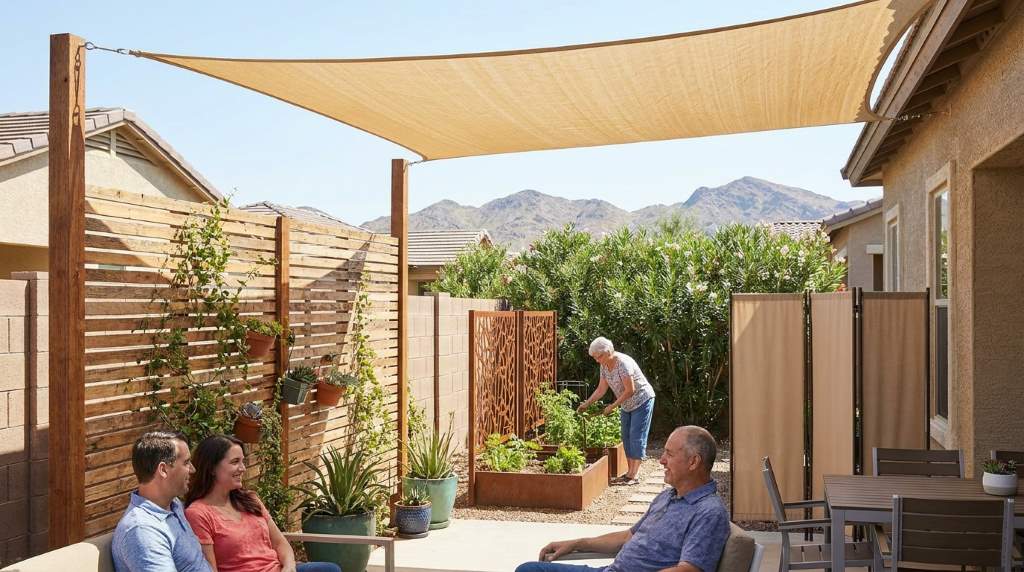
Families across Phoenix continue to look for smart ways to gain privacy without moving into larger homes. According to the U.S. Census Bureau, the average household size in Arizona has steadily increased over the past decade. At the same time, housing prices in Phoenix remain higher than many families expected, which pushes homeowners to improve their current layouts instead of relocating. Many residents now use creative room planning, sliding dividers, and storage-based layouts to make homes feel more private and functional. Some homeowners even close up a window opening in a house to create quieter indoor zones and improve family comfort.
Why Privacy Matters More in Modern Phoenix Homes
Remote work, online learning, and multigenerational living have changed how families use their homes in Phoenix. Many households now need separate areas for meetings, studying, and relaxation during the same hours. However, limited square footage makes traditional renovations expensive and impractical. As a result, homeowners focus on flexible privacy solutions that work within existing layouts. These adjustments improve comfort while keeping homes open and inviting.
Phoenix weather also affects how people design indoor spaces for privacy. During the long summer season, families spend more time inside air-conditioned rooms. Consequently, shared spaces can quickly become noisy and crowded throughout the day. Many homeowners now combine smart furniture placement with cooling strategies to separate activity zones naturally. Helpful ideas from tips for decorating a small living room often support these layout improvements without making spaces feel cramped.
Using Furniture Placement to Create Private Zones
Furniture arrangement remains one of the easiest ways to increase privacy without construction work. Many Phoenix families place bookshelves, storage cabinets, or sectional sofas between living areas to divide space visually. This method creates clear boundaries while still allowing natural light to move through the home. Additionally, movable layouts work well for changing family needs over time. Homeowners can easily adjust zones for guests, children, or home offices.
Large area rugs also help separate spaces inside open-concept homes. Families often use rugs to define reading corners, homework stations, or quiet relaxation spots. Meanwhile, different lighting styles reinforce the feeling of separate rooms without adding walls. Floor lamps, pendant lights, and wall sconces guide attention toward specific areas naturally. This layered approach improves both comfort and privacy in busy households.
Best Furniture Choices for Flexible Privacy
- Open shelving units that allow airflow and sunlight
- Storage benches with hidden compartments
- Foldable screens for temporary separation
- Modular sofas that create natural barriers
- Tall indoor plants for visual privacy
Adding Sliding Doors and Room Dividers
Sliding doors have become increasingly popular in Phoenix homes because they save space while improving privacy. Unlike traditional doors, sliding panels do not require extra clearance areas to open and close. Many families install frosted glass sliders to separate offices, bedrooms, or study zones. These systems maintain brightness while reducing distractions throughout the home. Furthermore, lightweight materials help maintain efficient indoor cooling during hot months.
Portable room dividers also offer affordable privacy solutions for growing households. Fabric panels, wooden screens, and accordion partitions work especially well in apartments and smaller homes. Since Phoenix homes often feature open floor plans, temporary dividers allow flexible room arrangements without permanent remodeling. Some homeowners even combine decorative dividers with plants to soften indoor acoustics. Design inspiration from how to quickly change up your living room style can help families blend these additions naturally into existing décor.
Converting Underused Spaces Into Private Areas
Many Phoenix homes contain overlooked spaces that can become practical privacy zones with minimal investment. Homeowners frequently convert large hallways, dining corners, or loft areas into compact workstations or reading nooks. Even a small unused corner can support focused activities when properly organized. Families often add curtains, shelving, or acoustic panels to improve separation in these converted areas. This strategy maximizes every square foot without expanding the home.
Closets have also become popular targets for privacy-focused renovations. Some families transform oversized closets into mini offices, study booths, or meditation rooms. Because these spaces already include walls and doors, conversion costs remain relatively low compared to full additions. Proper ventilation and lighting remain essential in Phoenix due to the intense desert heat. Therefore, homeowners often add LED lighting and portable cooling solutions to maintain comfort.
Commonly Converted Spaces in Phoenix Homes
- Walk-in closets turned into compact offices
- Dining room corners converted into study spaces
- Garage sections redesigned for hobbies or work
- Loft areas divided into quiet reading zones
- Wide hallways transformed into mini workstations
Managing Noise for Better Indoor Privacy
Noise control plays a major role in creating privacy inside active family homes. Phoenix neighborhoods often experience outdoor traffic noise, landscaping equipment, and air conditioning sounds throughout the year. Inside the home, televisions, video calls, and kitchen activity can easily overlap. Consequently, many families prioritize sound management instead of physical expansion projects. Soft materials and layered textures help absorb unwanted noise effectively.
Heavy curtains, upholstered furniture, and acoustic wall panels reduce echo in open spaces. Additionally, weather stripping around doors can minimize sound transfer between rooms. Families with children often use fabric wall hangings or cork boards in homework areas to create quieter environments. Ceiling fans also generate soft background noise that improves concentration and privacy. These simple upgrades support peaceful indoor living without major remodeling costs.
Creating Outdoor Privacy Extensions
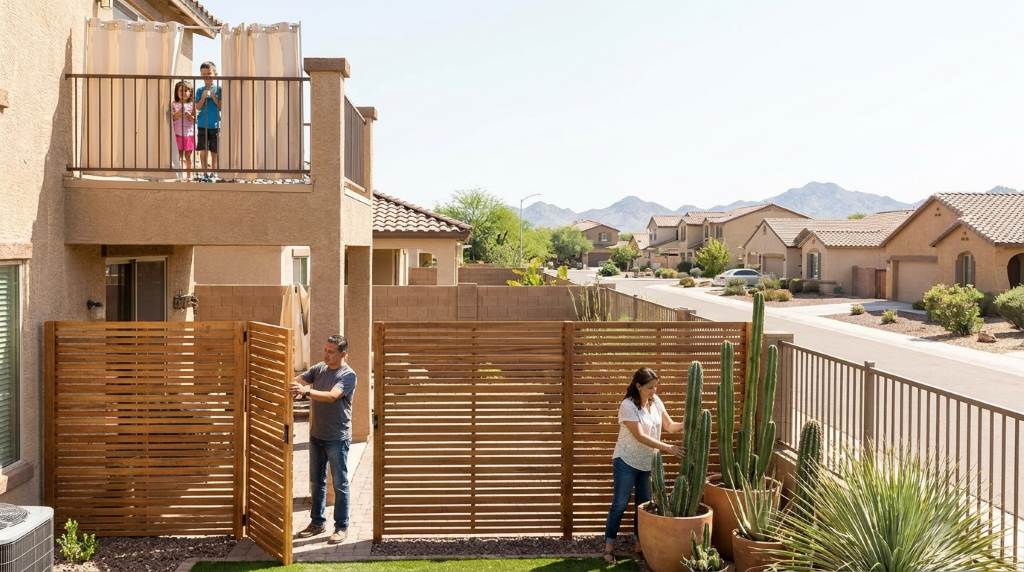
Phoenix homeowners frequently extend privacy solutions into outdoor living areas because of the city’s warm climate. Covered patios, shaded courtyards, and enclosed balconies often function as additional quiet spaces during cooler mornings and evenings. Many families install outdoor curtains, lattice walls, or vertical gardens for visual separation from neighbors. This approach creates private relaxation zones without increasing indoor square footage. Furthermore, outdoor areas reduce pressure on crowded interior rooms.
Heat-resistant landscaping also contributes to outdoor privacy in desert environments. Tall cacti, bamboo screens, and drought-tolerant shrubs naturally block views while supporting water conservation goals. Families often pair these natural barriers with pergolas or shade sails for added comfort. Outdoor fans and misting systems improve usability during warmer months. As a result, patios become practical extensions of the home’s private living areas.
Smart Storage Solutions That Improve Privacy
Clutter often makes shared spaces feel more stressful and crowded than they actually are. Therefore, Phoenix families increasingly use hidden storage systems to maintain cleaner and calmer interiors. Built-in storage benches, under-bed drawers, and vertical shelving free up floor space for daily activities. Organized rooms naturally support better separation between work, relaxation, and family time. In many cases, improved organization creates the feeling of a larger home.
Dual-purpose furniture also supports privacy-focused living in smaller homes. Murphy beds, expandable tables, and storage ottomans help families switch room functions throughout the day. This flexibility allows one room to serve several purposes without constant disruption. Additionally, concealed storage reduces visual distractions during remote meetings or study sessions. Families who explore creative remodeling ideas for modern living spaces often discover practical ways to balance privacy and storage together.
Using Lighting to Separate Shared Spaces
Lighting design strongly influences how private a room feels inside a busy household. Many Phoenix homes rely heavily on bright overhead lighting, which can make spaces feel exposed and overly connected. Instead, layered lighting creates softer transitions between different functional zones. Families often use task lighting for offices, warm lamps for relaxation areas, and dimmable fixtures for shared spaces. These adjustments create natural boundaries without physical barriers.
Natural light management also matters in Phoenix because of the intense desert sun. Sheer curtains, solar shades, and adjustable blinds allow homeowners to control visibility while reducing heat gain. Many families strategically position furniture to take advantage of filtered daylight during productive hours. Consequently, rooms feel more comfortable and private throughout the day. Energy-efficient lighting upgrades also help lower cooling costs during hot seasons.
The Growing Trend of Flexible Family Layouts
One uncommon but growing trend in Phoenix involves rotational room scheduling within families. Instead of assigning rooms to only one purpose, households rotate private usage throughout the day based on work, school, and relaxation needs. Parents may use the dining area for meetings in the morning while children study there later in the afternoon. This shared scheduling system reduces crowding without requiring expensive renovations. Families often report lower stress because everyone receives dedicated quiet time.
Another emerging approach involves “privacy layering” instead of full room separation. Families combine several smaller changes like sound control, lighting shifts, movable dividers, and scheduled usage to create effective privacy together. This strategy works particularly well in Phoenix homes with open floor plans and limited square footage. Additionally, layered solutions remain adaptable as children grow and household needs evolve. Many homeowners now prefer this flexible approach over permanent structural remodeling.
Conclusion
Families in Phoenix, AZ continue to prove that better privacy does not always require larger homes or expensive additions. Smart furniture placement, sound management, flexible layouts, and outdoor living upgrades can dramatically improve comfort within existing spaces. Additionally, climate-conscious design choices help families maintain privacy while managing desert heat efficiently. Even small adjustments often create meaningful improvements in daily life and household organization.
If your home feels crowded or overly connected, start with one practical change that fits your current layout and budget. Small upgrades often lead to major improvements in comfort, focus, and family balance over time. Explore more design inspiration through creative remodeling ideas for modern living spaces to discover privacy-focused solutions that match your lifestyle. With the right strategy, families can create peaceful, functional homes without expanding their living space.
FAQs
How can I create privacy in a small Phoenix home?
You can use room dividers, smart furniture placement, and layered lighting to create separate zones without major remodeling.
Do sliding doors work well in hot Phoenix climates?
Yes, modern sliding doors with insulated materials help maintain indoor cooling while improving privacy.
What is the cheapest way to improve privacy indoors?
Rearranging furniture and adding curtains or shelving units usually provides affordable privacy improvements.
Can outdoor spaces help reduce indoor crowding?
Yes, shaded patios and private outdoor seating areas can function as extra living zones during cooler hours.
Why do open floor plans feel less private?
Open layouts allow noise, light, and movement to spread freely, which reduces separation between activities.

One thought on “How Families in Phoenix, AZ Create More Privacy Without Expanding Living Space”