

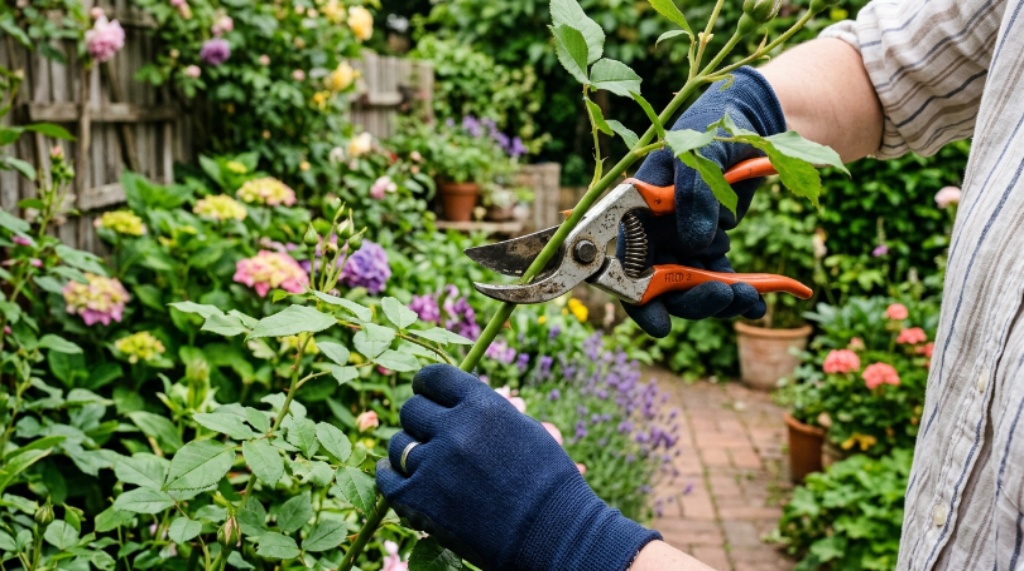
Keeping your garden in great shape takes more than just good soil and sunlight. The right cutting tools make a huge difference. They save you time, protect your plants, and make the work feel much easier. Whether you have a small backyard or a large property, owning the proper tools is essential. This guide covers the best gardening cutting tools every homeowner should have.
Why the Right Cutting Tools Matter
Many homeowners underestimate the value of quality cutting tools. However, using the wrong tool for the job can damage plants and waste effort. Dull or incorrect tools create ragged cuts that invite disease. Therefore, investing in the right equipment from the start pays off in the long run.
Good tools also protect your body. They reduce the strain on your hands, wrists, and back. Additionally, well-designed tools last for many years when you care for them properly. Think of them as a one-time investment that keeps giving back.
Pruning Shears: The Most Versatile Tool in Your Kit
No garden toolkit is complete without a pair of pruning shears. These compact, hand-held cutters are ideal for trimming small branches, deadheading flowers, and shaping young shrubs. Most gardeners reach for them almost every time they step outside.
There are two main types to consider.
Bypass pruning shears work like scissors. Two curved blades pass each other to make a clean, precise cut. They are best for live, green stems. The clean slice helps plants heal quickly and stay healthy.
Anvil pruning shears have one straight blade that closes down onto a flat surface. They work better on dry or dead wood. However, they can crush softer, living stems if used incorrectly. Therefore, choose bypass shears for most everyday pruning tasks.
When buying pruning shears, look for a comfortable grip, a locking safety catch, and blades made from hardened steel. A good pair fits naturally in your hand without causing fatigue.
Loppers: Power for Thicker Branches
Sometimes a branch is simply too thick for pruning shears. That is where loppers come in. Loppers have long handles, usually between 18 and 36 inches, that give you extra cutting leverage. They can handle branches up to two inches thick with ease.
The long handles also mean you can reach higher branches without a ladder. This makes them very practical for fruit trees and tall ornamental shrubs. Additionally, the extended reach keeps you at a safe distance from thorny plants like roses or hawthorns.
Like pruning shears, loppers come in bypass and anvil styles. Bypass loppers are the better choice for most living plants. Look for models with cushioned handles and a gear mechanism, as these reduce the effort needed for each cut.
Hedge Cutters: Shaping Shrubs and Hedges with Ease
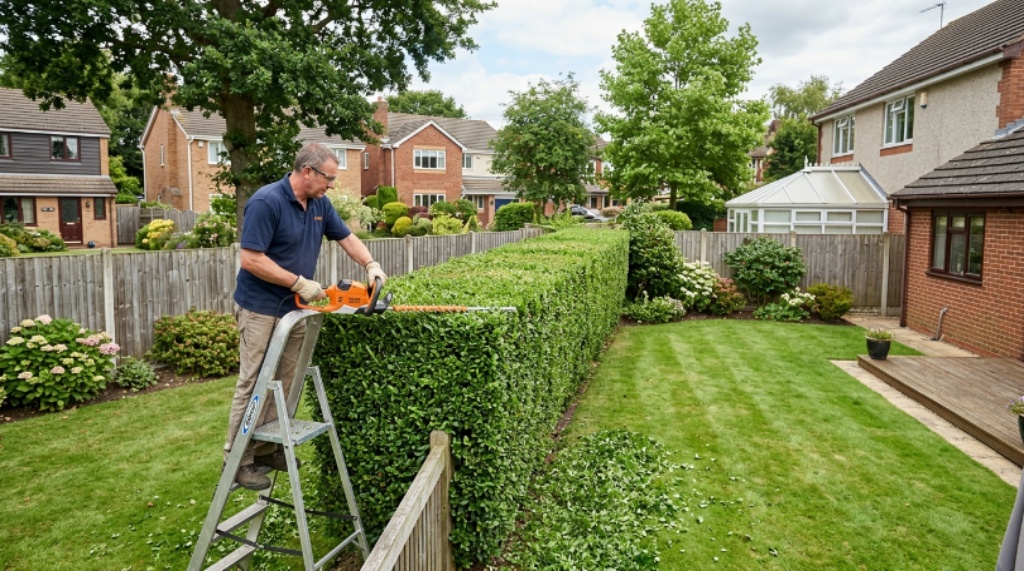
If you have hedges, topiaries, or formal shrub borders, hedge cutters are a must-have tool. They are designed to trim large areas of foliage quickly and evenly. Hand-powered hedge cutters are a great choice for small hedges and light trimming work. They are quiet, lightweight, and easy to control.
For larger hedges or more frequent trimming, a powered option saves considerable time and energy. Electric and battery-powered hedge cutters are popular with homeowners because they are easy to start and maintain. They deliver consistent results across long stretches of hedge.
When using hedge cutters, always work from the bottom of the hedge upward. This technique lets cut material fall away from the area you are still trimming. Also, keep the blade parallel to the surface you are cutting for a smooth, even finish.
Garden Scissors: Precision for Delicate Work
Garden scissors are smaller and lighter than pruning shears. They are perfect for detailed work such as trimming herbs, cutting flowers for a vase, or snipping away thin, tangled growth. Many gardeners keep a pair in their pocket whenever they are out in the garden.
Good garden scissors have stainless steel blades that resist rust. A spring-loaded handle is a helpful feature because it reduces hand fatigue during extended use. They are also easy to clean, which matters when you move between different plants.
Pruning Saws: Tackling the Toughest Cuts
For branches thicker than two inches, you need a pruning saw. These tools have a curved blade with coarse teeth designed to cut on both the push and pull stroke. This design makes them much more efficient than a regular wood saw in a garden setting.
Folding pruning saws are especially convenient. The blade folds safely into the handle, making them easy to carry and store. Some models also have a blade that locks in the open position for added safety while you work.
Always cut just outside the branch collar, which is the swollen area where the branch meets the trunk. Cutting here allows the plant to seal the wound naturally.
Hand Trowels with Cutting Edges
A hand trowel is a common garden tool, but some models come with a sharpened edge along one side. This design lets you cut through roots, divide perennials, and slice into compacted soil. It is a simple but useful feature that adds extra value to an everyday tool.
How to Care for Your Cutting Tools
Caring for your tools extends their life significantly. Here are some simple habits to build.
- Clean blades after every use to remove sap and dirt.
- Dry tools thoroughly before storing them to prevent rust.
- Sharpen blades regularly using a whetstone or a specialized sharpener.
- Apply a thin coat of oil to metal parts before long-term storage.
- Replace worn springs, screws, or handles rather than discarding the whole tool.
Additionally, storing tools in a dry shed or garage protects them from the weather. Hanging them on a wall rack keeps blades from knocking against each other and dulling prematurely.
Choosing Tools That Fit Your Garden
The best tool depends on what you are growing. A homeowner with a small flower garden needs little more than pruning shears and garden scissors. Someone managing a large property with mature trees and formal hedging will also need loppers, a pruning saw, and hedge cutters.
However, it is wise to avoid buying tools you do not yet need. Start with a core set and add to it as your garden grows. Quality always beats quantity. One well-made pair of pruning shears will outlast three cheap ones.
Conclusion
The right cutting tools turn garden maintenance from a chore into a pleasure. Pruning shears handle everyday trimming with precision. Loppers tackle thicker branches with less effort. Hedge cutters keep your shrubs and borders looking neat and tidy. A pruning saw manages the heavy work on mature trees. Garden scissors offer delicate control for herbs and flowers.
Therefore, building a solid collection of quality tools is one of the best things you can do for your garden. Take care of them, use them correctly, and they will serve you well for many years. A well-equipped gardener is always a more confident and successful one.
Frequently Asked Questions
What is the difference between pruning shears and hedge cutters?
Pruning shears are hand-held tools used for cutting individual stems and small branches with precision. Hedge cutters, on the other hand, have long blades designed to trim wide areas of foliage quickly. Each tool serves a different purpose in the garden.
How often should I sharpen my pruning shears?
You should sharpen pruning shears at least once a season, or more often if you use them frequently. Sharp blades make cleaner cuts, which helps plants heal faster and stay healthier.
Can I use loppers instead of a pruning saw?
Loppers are suitable for branches up to about two inches thick. For anything thicker, a pruning saw is the better and safer choice. Using the wrong tool can damage both the plant and the tool.
Are battery-powered hedge cutters worth the cost?
Yes, for most homeowners, battery-powered hedge cutters offer a good balance of power and convenience. They are quieter than petrol models, require less maintenance, and are easy to use without a power cord.
How do I clean sap off my cutting tool blades?
Use a cloth dampened with rubbing alcohol or a purpose-made blade cleaner. Wipe the blades thoroughly after each use. This prevents sap buildup, reduces blade friction, and helps keep your cuts clean and accurate.