

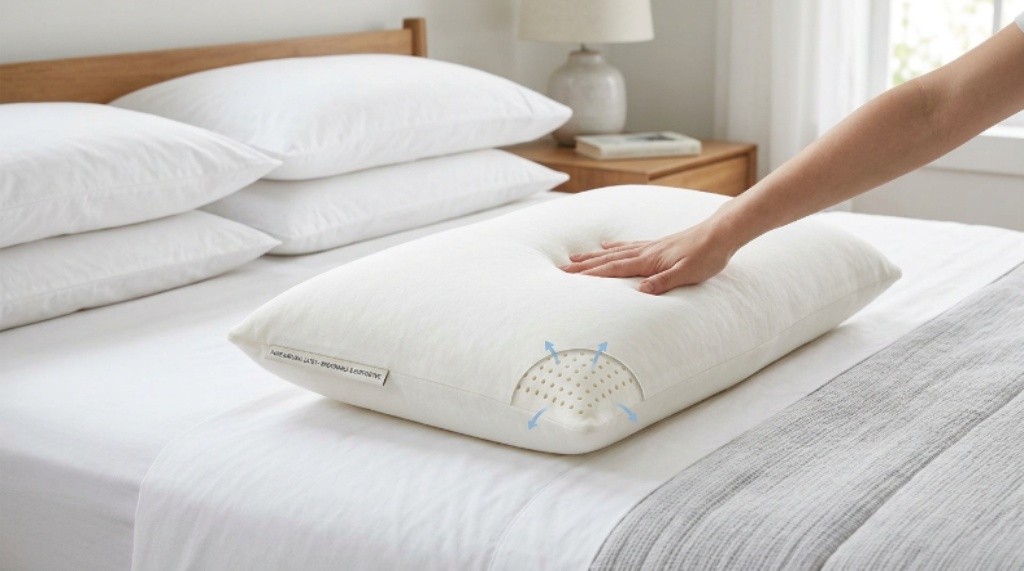
A good night’s sleep starts long before you close your eyes. It starts with what you rest your head on. Many people overlook the pillow entirely when trying to improve their sleep. However, the right pillow can make a significant difference in how well you rest and how refreshed you feel in the morning.
Latex pillows have grown in popularity over recent years, and for good reason. They offer a unique combination of comfort, durability, and health benefits that other pillow types struggle to match. This article explains exactly how latex pillows work, why they stand out, and how they can genuinely improve your sleep quality night after night.
What Makes Latex Different from Other Pillow Materials
Most pillows are filled with memory foam, down feathers, polyester fiber, or buckwheat. Each material has its strengths. However, latex stands apart because of how it behaves under pressure.
Latex is a natural material derived from rubber tree sap. When processed into a pillow, it creates a resilient, springy structure that responds to movement quickly. Unlike memory foam, which slowly molds to your shape and retains heat, latex bounces back almost immediately. This means your pillow adjusts as you shift positions during the night without trapping warmth or losing its shape.
There are two main types of latex used in pillows: Dunlop and Talalay. Dunlop latex is denser and firmer, making it well-suited for back and stomach sleepers who need more support. Talalay latex is lighter and softer, offering a more cushioned feel preferred by side sleepers. Both types deliver the core benefits that make latex a top choice for consistent, quality sleep.
The Role of Breathability in Better Sleep
Temperature plays a critical role in how well you sleep. Your body naturally cools down as you fall asleep. If your pillow traps heat, it interrupts this process and causes restlessness.
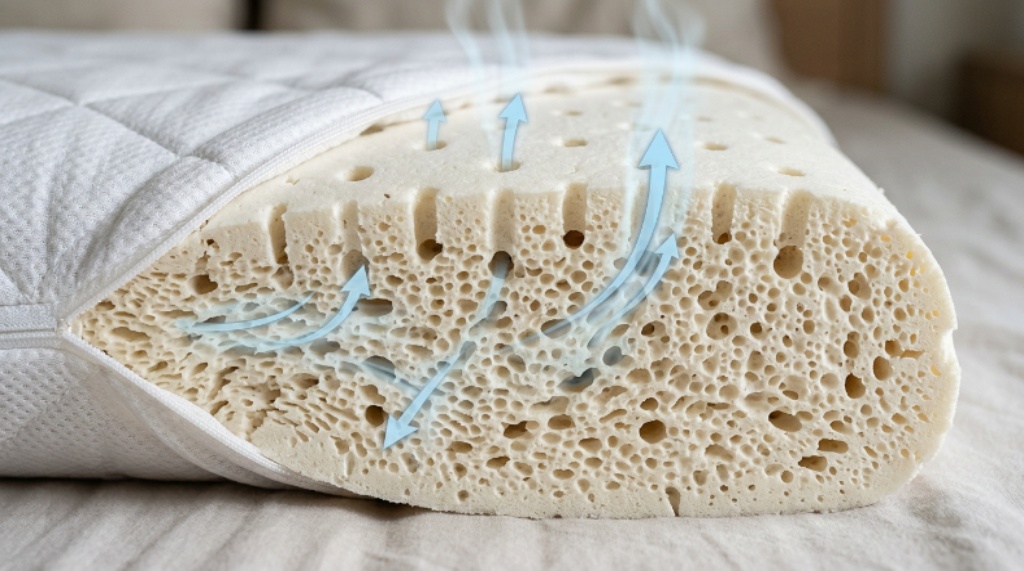
This is where a breathable pillow truly matters. Latex has an open-cell structure that allows air to circulate freely through the material. Many latex pillows also feature pinhole patterns or ventilated designs that further enhance airflow. As a result, heat does not build up around your head and neck the way it does with memory foam or synthetic pillows.
A breathable pillow keeps your sleeping surface cooler and more comfortable. This is particularly helpful for people who tend to sleep hot, live in warm climates, or experience night sweats. Additionally, better airflow reduces moisture buildup, which helps keep your pillow fresher for longer.
How Latex Supports Your Neck and Spine
One of the most important functions of any pillow is to support proper alignment of your neck and spine. Poor alignment leads to muscle tension, stiffness, and pain. Over time, sleeping on an unsupportive pillow can contribute to chronic neck and shoulder discomfort.
A supportive pillow made from latex maintains its shape throughout the night. It does not flatten under the weight of your head the way down or fiber pillows often do. Latex provides consistent resistance that keeps your head elevated at the right angle regardless of your sleeping position.
For back sleepers, latex supports the natural curve of the cervical spine without pushing the head too far forward. For side sleepers, it fills the space between the shoulder and the head, preventing the neck from bending sideways. Therefore, sleeping on a latex pillow can reduce morning stiffness and help you wake up feeling genuinely rested rather than sore.
Sleep Comfort Through Pressure Relief
Sleep comfort is about more than just feeling soft. True comfort means your body can relax fully without any pressure points interrupting your rest. This is something latex handles exceptionally well.
Latex distributes weight evenly across its surface. This reduces the concentration of pressure on any single point, such as the ear, jaw, or temple. People who experience discomfort from pressing their face against a hard or unyielding pillow often find relief after switching to latex.
Additionally, the gentle pushback of latex helps reduce the urge to toss and turn. When your pillow supports you properly and feels comfortable from every angle, your body settles more easily and stays settled longer. This leads to deeper, less interrupted sleep cycles, which is where true rest and recovery happen.
Natural and Hypoallergenic Properties
Many people suffer from allergies that affect their sleep without realizing their pillow is part of the problem. Dust mites thrive in synthetic and down pillows. Their presence can trigger sneezing, congestion, and itchy eyes, all of which disturb sleep.
Latex is naturally resistant to dust mites, mold, and mildew. Its dense structure does not provide the warm, moist environment that dust mites need to survive. Therefore, latex pillows are an excellent choice for allergy sufferers or anyone with respiratory sensitivities.
Natural latex is also free from many of the chemicals found in synthetic foam. However, it is worth noting that people with latex allergies should avoid natural latex pillows and instead look for synthetic latex alternatives, which carry a lower risk of allergic reaction.
Durability That Saves Money Over Time
Most pillows need to be replaced every one to two years. Synthetic fills break down quickly, losing their loft and support. Down pillows clump over time. Latex pillows, on the other hand, are remarkably durable.
A quality latex pillow can last anywhere from five to ten years without significant degradation. It retains its shape, firmness, and supportive qualities far longer than competing materials. Therefore, while the upfront cost of a latex pillow may be higher, the long-term value is considerably better.
Additionally, because latex resists moisture and microbial growth, it stays hygienic longer. This further extends the useful life of the pillow and reduces the need for frequent replacements.
Who Benefits Most from Latex Pillows
Latex pillows work well for a wide range of sleepers. However, certain groups tend to benefit the most.
People with neck or back pain often experience relief after switching to latex. The consistent support prevents the poor alignment that aggravates these conditions. Side sleepers, in particular, benefit from the firm yet yielding nature of latex, which fills the shoulder gap effectively.
Hot sleepers gain a great deal from the breathable design, which keeps the sleeping surface cool throughout the night. Allergy sufferers benefit from the natural resistance to dust mites and mold. Additionally, couples where one partner moves frequently during the night will appreciate that latex does not transfer motion noticeably, making it less disruptive for both sleepers.
How to Choose the Right Latex Pillow for You
Not all latex pillows are created equal. Choosing the right one depends on your sleeping position, preferred firmness, and any specific health needs.
Here are the main factors to consider:
- Sleeping position: Side sleepers generally need a higher, firmer pillow. Back sleepers do well with medium height and firmness. Stomach sleepers need a soft, low-profile option to avoid straining the neck.
- Loft height: Loft refers to the height of the pillow. Choose a loft that keeps your head and neck in a neutral position without tilting up or down.
- Firmness level: Talalay latex is softer and suits those who prefer a plush feel. Dunlop latex is firmer and better for those who need strong support.
- Cover material: Look for a breathable, washable cover made from organic cotton or bamboo. This adds to the overall airflow and hygiene of the pillow.
- Certifications: Look for OEKO-TEX or GOLS certification to ensure the latex is free from harmful substances.
Conclusion
Latex pillows offer a compelling set of benefits that go far beyond basic comfort. They function as a breathable pillow that regulates temperature and prevents heat buildup. They act as a supportive pillow that maintains proper neck and spinal alignment through the night. Together, these qualities deliver a level of sleep comfort that most conventional pillows cannot match.
Additionally, latex pillows resist allergens, last significantly longer than alternatives, and provide consistent pressure relief that helps you sleep deeper and wake up refreshed. Whether you struggle with neck pain, sleep hot, suffer from allergies, or simply want a better night’s rest, a latex pillow is a practical and worthwhile investment. Choosing the right pillow may be one of the simplest and most effective changes you can make for your long-term health and daily energy.
Frequently Asked Questions
Are latex pillows good for people with neck pain?
Yes. Latex pillows provide consistent support that keeps the neck and spine properly aligned. This reduces the muscle tension and stiffness that often cause or worsen neck pain over time.
Do latex pillows sleep hot?
No, latex pillows are designed to stay cool. Their open-cell structure and ventilated design allow air to circulate freely, preventing heat from building up during the night.
How long does a latex pillow last?
A quality latex pillow typically lasts between five and ten years. This is significantly longer than down or synthetic pillows, which usually need replacing within one to two years.
Can people with allergies use latex pillows?
Most people with common allergies can use latex pillows safely. Latex naturally resists dust mites, mold, and mildew. However, people with a known latex allergy should choose a synthetic latex option instead.
What is the difference between Dunlop and Talalay latex pillows?
Dunlop latex is denser and firmer, making it better for back and stomach sleepers who need strong support. Talalay latex is lighter and softer, offering a more cushioned feel that side sleepers often prefer.