

Although a floor can last for years or even decades and require small amounts of repair, there is a point when it becomes futile to continue patching up a worn floor. Here are six instances when to stop patching up and replace the whole floor.
Visible Wear Beyond Repair
Depending on the flooring type worn patches in the carpet pile, chipped or cracked tiles and exposed fibres in the laminate wear layer all indicate that the surface of the floor has given all it can. Note areas of excessive wear and compare them to the rest of the room. If more than 1/3 of the floor area appears to be worn then it is likely to be cost effective to replace the entire floor rather than attempt to patch it repeatedly.
Water Damage and Warping
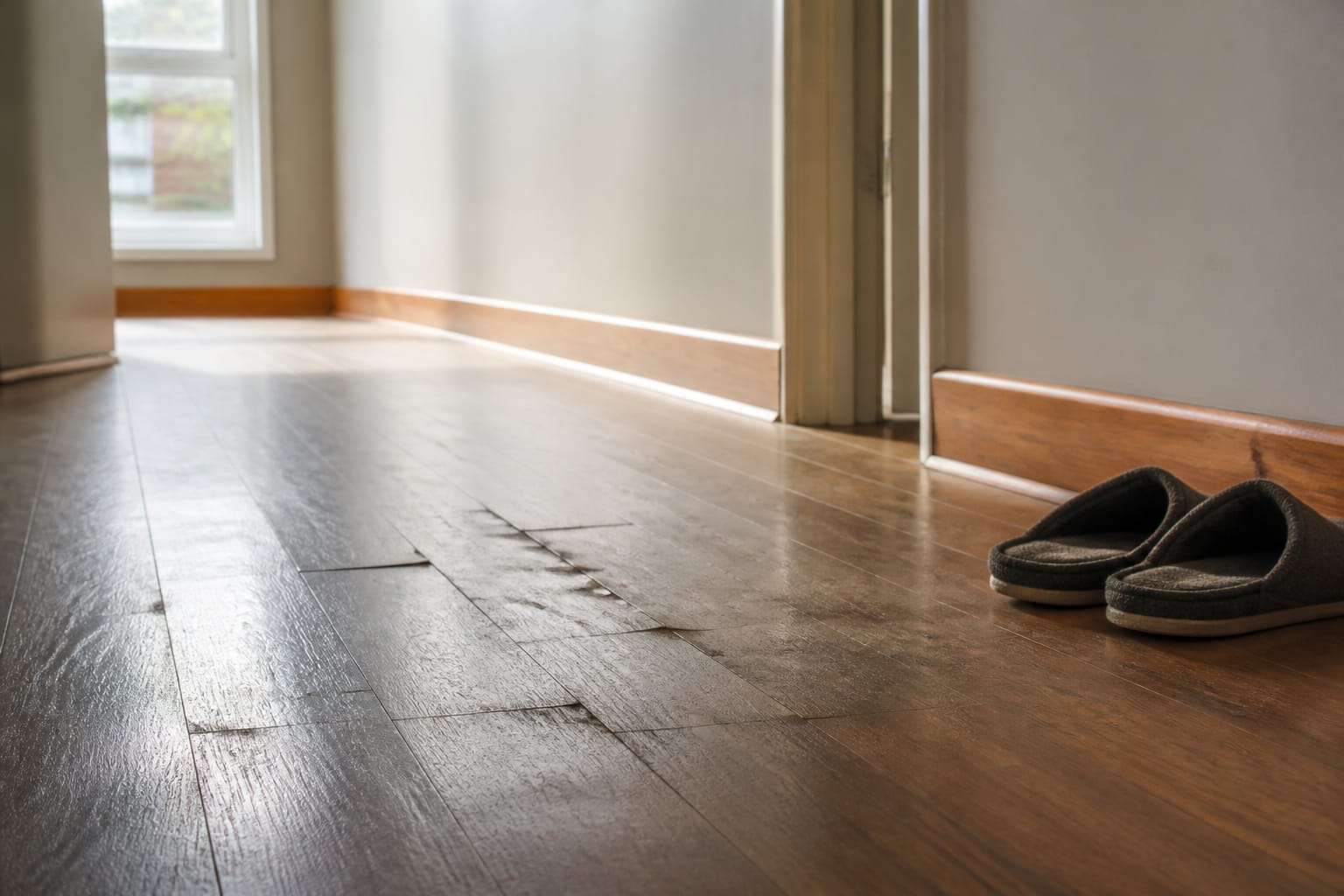
Swollen laminate boards, lifting or sagging vinyl floors, and a musty smell that won’t go away are all signs that there is water ingress into the flooring. Pressing down on any suspected areas with your foot will reveal whether there is softness, springiness or dampness beneath the flooring. This is usually a sign that there is an issue with the subfloor and a local repair will not be sufficient to address the problem.
Trip Hazards and Safety Issues
Curling edges of flooring, loose boards, uneven floor transitions between rooms – these are common hazards which cause trips and falls in the home. They are so obvious that until you or a family member have a mishap, you won’t even have noticed them. Walk round your home in your socks to feel for any irregularities and be sure to check all transitions between rooms.
Creaks, Movement or Give Underfoot
A floor that bounces, creaks or even flexes will indicate that the subfloor has failed in some part. It is unlikely that surface repairs will be able to fix a weakened joist or section of rotten chipboard and such movement is most likely to affect a large area of flooring.
The Patch-Repair Spiral
If you have had to call someone out on multiple occasions to repair the same patch of flooring then it’s time to add up the total cost of repair. Often a professional’s opinion will show that you have already spent nearly the cost of replacement. Get a free quotation from Flooring Edinburgh to see for yourself.
A Sticking Point When Selling or Renovating
When selling a property damaged or worn flooring is often one of the first things that potential buyers, renters and property surveys notice. As flooring work may involve a change of floor level or structural work it is also wise to check if any home improvement work will be subject to local planning and building control rules under building regulations for home improvements in Edinburgh.
A good floor should be almost invisible. If your flooring is continually drawing to your attention then in all likelihood it will need to be replaced.

