

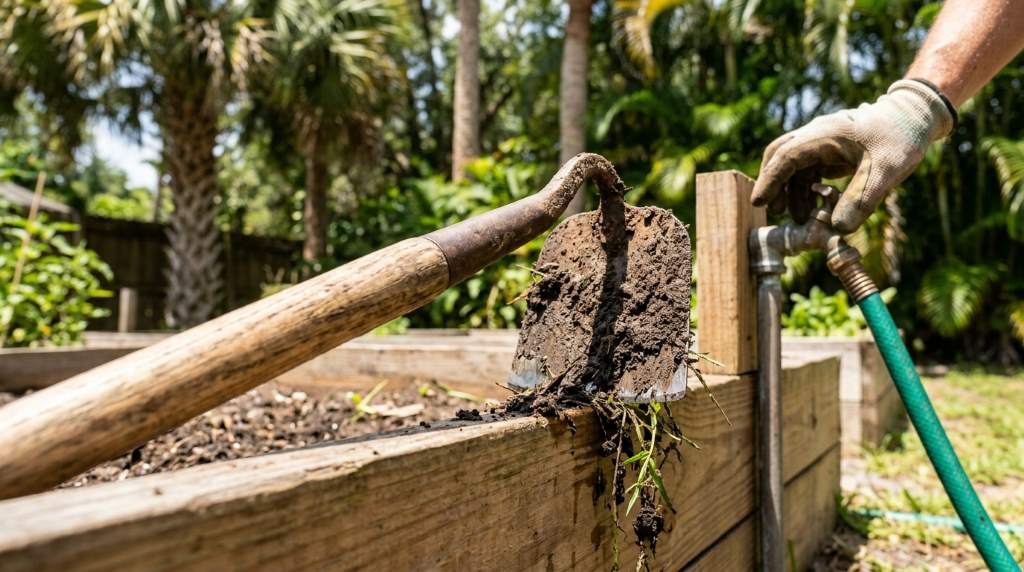
Urban gardening continues to grow across Tampa, FL, as more homeowners create compact vegetable patches and decorative green spaces. According to the National Gardening Association, nearly 35% of U.S. households now grow food at home, while Florida remains one of the fastest-growing states for residential gardening. However, Tampa’s humid climate, sandy soil, and heavy rainfall can wear down garden tools quickly. A proper hoe care routine helps urban gardeners protect their investment and improve soil performance throughout the year. Many gardeners also search for how to maintain and sharpen garden hoe methods to extend tool life and improve digging efficiency.
Why Hoe Maintenance Matters in Tampa Gardens
Tampa’s warm and humid climate creates unique gardening challenges for hand tools. Moisture exposure often leads to rust, while sandy soil dulls metal edges faster than heavier clay soil. Therefore, urban gardeners must clean and maintain hoes more often than gardeners in cooler regions. Regular maintenance also keeps the blade sharp and reduces physical strain during use.
Well-maintained hoes improve weed removal and soil aeration in raised beds and small urban plots. In addition, sharp tools cut through compact soil more smoothly during Tampa’s dry summer months. Neglected hoes often develop cracks, rust, or loose handles that reduce gardening efficiency. Consequently, consistent care helps gardeners save money and avoid frequent tool replacements.
Choosing the Right Hoe for Tampa Urban Gardens
Different urban gardens require different types of hoes for effective maintenance. Draw hoes work well for vegetable beds, while stirrup hoes help remove weeds in narrow spaces. Additionally, scuffle hoes perform efficiently in Tampa’s loose sandy soil. Selecting the proper hoe improves gardening comfort and minimizes unnecessary wear.
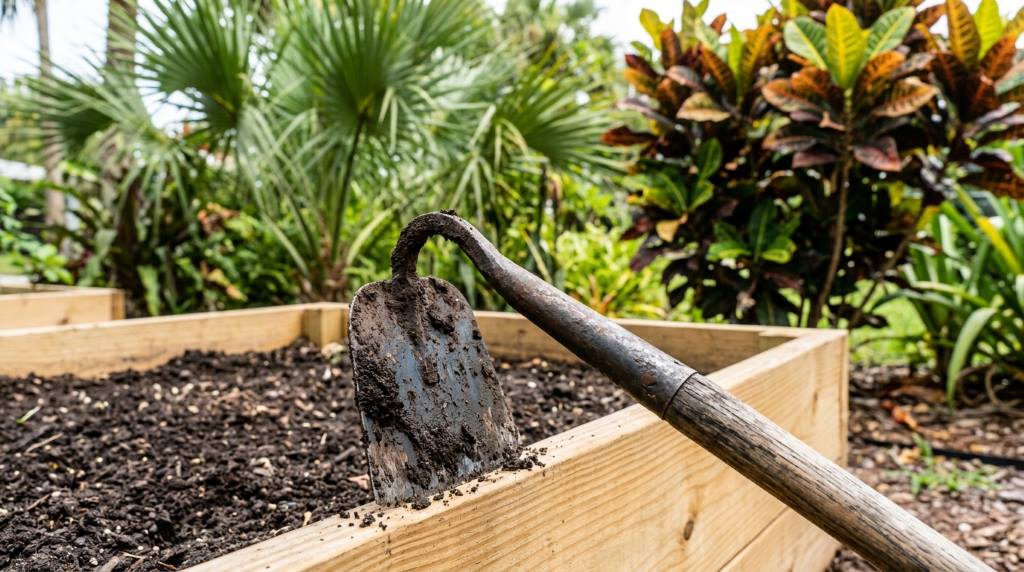
Urban gardeners in Tampa often work with raised beds, container gardens, and narrow walkways. Therefore, lightweight hoes with shorter handles offer better maneuverability in tight areas. Stainless steel blades resist humidity damage better than untreated metal options. Wooden handles also provide a comfortable grip during long gardening sessions.
Best Hoe Features for Humid Florida Conditions
When shopping for a garden hoe, Tampa gardeners should focus on durability and rust resistance. The right features improve long-term performance in Florida’s moisture-heavy environment.
- Stainless steel or coated blades
- Hardwood or fiberglass handles
- Lightweight design for small gardens
- Rust-resistant hardware
- Comfortable grip for sweaty conditions
These features help tools survive frequent exposure to rain and humidity. As a result, gardeners spend less time on repairs and replacements.
Daily Cleaning Routine After Gardening
Cleaning a hoe after every use prevents dirt buildup and moisture damage. Tampa soil often sticks to blades because of humidity and organic debris. Therefore, gardeners should rinse the blade immediately after finishing garden work. Quick cleaning also reduces the spread of plant diseases between garden beds.
Use a garden hose to remove loose soil and mud from the blade surface. Then wipe the hoe with a dry cloth to eliminate moisture before storage. Many gardeners skip this step, but trapped water causes rust within days in Florida weather. Consequently, drying the tool thoroughly becomes essential for long-term durability.
If stubborn dirt remains on the blade, use a stiff brush or steel wool for removal. Avoid leaving wet tools outdoors overnight because Tampa’s humidity accelerates corrosion quickly. Additionally, inspect the handle for cracks or splinters during cleaning sessions. Small repairs become easier when detected early.
Weekly Hoe Inspection Routine
Weekly inspections help gardeners catch minor issues before they become serious problems. Tampa’s frequent rainstorms and intense sun exposure can weaken tool materials over time. Therefore, checking your hoe once a week supports safer and more efficient gardening. Regular inspections also extend the life of wooden handles and metal blades.
Start by examining the blade for rust spots, chips, or bending. Tighten any loose bolts or fasteners connecting the blade to the handle. In addition, inspect the handle for soft areas caused by moisture absorption. A stable handle improves control while reducing the risk of injury.
Apply mineral oil or linseed oil to wooden handles every few weeks. This treatment prevents cracking caused by Florida heat and sun exposure. Moreover, oiled handles remain smoother and easier to grip during humid weather. Small maintenance steps often prevent expensive tool replacements later.
Step-by-Step Hoe Sharpening Process
Sharp hoes cut weeds more effectively and reduce strain on the gardener’s arms and back. Tampa’s sandy soil gradually dulls hoe blades after repeated use. Therefore, sharpening should become part of every urban gardener’s monthly routine. A properly sharpened blade also improves soil preparation speed.
Tools Needed for Sharpening
Before sharpening a garden hoe, gather the proper tools for safe and effective maintenance.
- Metal file or sharpening stone
- Protective gloves
- Safety goggles
- Cleaning cloth
- Lubricating oil
These tools help create a smoother sharpening process while protecting the gardener from injury.
Sharpening the Blade Safely
First, secure the hoe on a stable workbench or solid surface. Hold the file at a consistent angle while moving it along the blade edge. Always push the file away from your body for better safety and control. Additionally, maintain even pressure during each stroke to create a balanced edge.
After sharpening, wipe the blade with a clean cloth to remove metal particles. Then apply a thin coat of oil to protect the blade from moisture. Tampa gardeners should avoid over-sharpening because extremely thin edges dull quickly in sandy soil. Consistent light sharpening works better than aggressive grinding.
Preventing Rust in Tampa’s Humid Climate
Rust prevention remains one of the biggest challenges for Florida gardeners. Tampa’s humidity levels often stay high throughout the year, especially during summer months. Therefore, even small amounts of moisture can damage metal gardening tools rapidly. A preventive care routine reduces long-term corrosion risks.
Store hoes indoors whenever possible instead of leaving them outside after use. Garages, sheds, and covered storage racks protect tools from rain and overnight moisture exposure. Additionally, hanging hoes vertically prevents water accumulation on the blade surface. Good airflow also helps tools dry faster after cleaning.
Apply protective oil coatings regularly to exposed metal surfaces. Many gardeners use mineral oil, machine oil, or silicone spray for rust prevention. Furthermore, wiping tools with an oily rag after each use creates an extra moisture barrier. These habits significantly extend the lifespan of garden equipment.
Seasonal Hoe Care Tips for Tampa Gardens
Tampa’s gardening seasons differ from many northern regions because of Florida’s subtropical climate. Therefore, hoe care routines should adjust throughout the year for better performance. Seasonal maintenance helps gardeners prepare tools for changing weather conditions and soil moisture levels.
Spring and Summer Maintenance
Spring and summer bring intense heat, heavy rain, and rapid weed growth in Tampa. During this period, gardeners often use hoes more frequently than during cooler months. Therefore, cleaning and sharpening routines should happen more often. Frequent inspections also help detect rust early during humid conditions.
After gardening during rainy weather, dry tools immediately before storage. In addition, check wooden handles for swelling caused by moisture exposure. Summer heat can also loosen metal fasteners over time. Tightening hardware regularly improves stability and safety.
Fall and Winter Maintenance
Fall and winter gardening remains active in Tampa because temperatures stay relatively mild. However, occasional cold fronts and rainstorms still affect garden tools. Therefore, continue regular cleaning and oiling even during cooler months. Consistent maintenance prevents off-season rust buildup.
Before storing hoes for extended periods, clean and sharpen the blade thoroughly. Apply a protective oil coating and hang the tool in a dry location. Additionally, inspect the handle for damage before the next planting season begins. Proper off-season care keeps tools ready for spring gardening tasks.
Proper Hoe Storage for Small Urban Spaces
Urban gardeners in Tampa often deal with limited storage areas. Small sheds, balconies, and garages require organized tool management systems. Therefore, proper storage methods protect hoes without taking up excessive space. Organized storage also improves accessibility during busy gardening seasons.
Wall-mounted hooks provide one of the best storage solutions for urban gardens. Hanging tools vertically prevents blade damage and reduces moisture contact. Additionally, wall storage keeps sharp edges away from children and pets. Compact organization also creates more room for other gardening supplies.
Avoid storing hoes directly on concrete floors because moisture can collect underneath metal blades. Instead, use shelves, hooks, or hanging racks to improve air circulation. Furthermore, cover blades with protective guards when possible. Simple storage improvements often prevent unnecessary rust and edge damage.
Common Hoe Maintenance Mistakes to Avoid
Many urban gardeners unintentionally shorten tool lifespan through improper maintenance habits. Tampa’s climate makes certain mistakes especially harmful to garden equipment. Therefore, understanding common errors helps gardeners protect their tools more effectively. Prevention usually costs far less than replacement.
One major mistake involves storing wet tools immediately after use. Moisture trapped on blades accelerates rust formation within Florida’s humid environment. Another common issue involves neglecting loose handles or bolts. Small structural problems often worsen quickly during heavy gardening activity.
Using power grinders incorrectly can also damage hoe blades permanently. Excessive grinding removes too much metal and weakens the edge structure. Additionally, many gardeners forget to oil wooden handles regularly. Dry, untreated handles crack faster under Tampa’s heat and sunlight exposure.
Eco-Friendly Hoe Care Practices
Sustainable gardening practices extend beyond plant care and soil management. Tampa gardeners can also maintain tools using environmentally friendly methods. Therefore, eco-conscious maintenance routines reduce waste while protecting local ecosystems. Small changes create meaningful environmental benefits over time.
Use biodegradable soaps when cleaning garden tools after use. Natural oils like linseed oil also provide effective wood protection without harsh chemicals. Additionally, repairing old hoes reduces landfill waste and lowers replacement costs. Sustainable habits support both urban gardens and the environment.
Recycling damaged metal tool parts remains another responsible option for Tampa gardeners. Many local recycling centers accept old gardening equipment and scrap metal. Furthermore, donating usable tools helps support community gardening programs. Responsible disposal practices contribute to cleaner urban spaces.
Building a Long-Term Hoe Care Schedule
Consistency remains the key to successful garden tool maintenance in Tampa’s climate. A regular care schedule prevents rust, blade damage, and handle deterioration. Therefore, gardeners should create simple routines that match their gardening frequency. Structured maintenance also reduces unexpected repair costs.
Daily cleaning should happen after every gardening session throughout the year. Weekly inspections help detect loose hardware, rust spots, and handle wear early. Additionally, monthly sharpening keeps blades efficient for soil preparation and weed removal. Seasonal deep maintenance ensures tools stay ready for heavy gardening periods.
Urban gardeners often benefit from creating a small maintenance checklist for tool care. Organized schedules reduce forgotten tasks and improve long-term equipment performance. Moreover, consistent maintenance creates a safer and more enjoyable gardening experience. Simple habits can add years to the life of a quality garden hoe.
Conclusion
A reliable hoe care routine helps Tampa urban gardeners maintain productive and healthy garden spaces throughout the year. Florida’s humidity, rainfall, and sandy soil create unique challenges that demand regular tool maintenance. However, simple habits like cleaning, sharpening, oiling, and proper storage can dramatically extend tool lifespan. Consistent care also improves gardening efficiency while reducing physical effort during daily tasks.
Start building your hoe maintenance routine today to protect your gardening investment and improve your urban garden results. With proper care, a quality garden hoe can serve Tampa gardeners effectively for many years.
FAQs
How often should I sharpen my garden hoe in Tampa?
Most Tampa gardeners should sharpen their hoe once every month during active gardening seasons.
What oil works best for preventing rust on garden hoes?
Mineral oil or silicone spray works well for protecting metal blades from humidity-related rust.
Can I leave my hoe outside overnight in Florida?
No, overnight humidity and rain can quickly cause rust and handle damage.
What type of hoe works best for Tampa’s sandy soil?
Stirrup hoes and scuffle hoes perform very well in loose sandy soil conditions.
How do I protect wooden hoe handles from cracking?
Apply linseed oil regularly and store the tool away from direct sunlight and moisture.
Related Reads
Check: Essential Lawn and Garden Hoe Tools Every Gardener Should Know
Learn: Curing Water Repellent Soil in Lawn
Discover: Can You Grow Peonies in Pots? The Complete Guide to Container Peony Gardening


