

Aquarium enthusiasts often face an unexpected challenge when maintaining their underwater paradise. The gentle bubbling sound that should accompany a fish tank can sometimes transform into an annoying racket. Even devices marketed as silent can create disturbances that disrupt your peaceful environment. Understanding how to minimize these sounds will help you enjoy your aquatic hobby without compromise.
Many fishkeepers purchase air pumps specifically labeled as quiet or silent, only to discover they still generate unwanted noise. This frustration stems from various factors beyond the pump itself. The good news is that most noise issues can be resolved with simple adjustments and inexpensive solutions. Your tranquil home environment and your fish’s wellbeing both depend on finding the right balance.
Understanding Where Aerator Noise Comes From
Before jumping into solutions, identifying the source of unwanted sounds proves essential. Air pumps create noise through multiple mechanisms that work simultaneously. The internal motor produces vibrations as it operates, while moving parts generate mechanical sounds during each cycle. Additionally, air flowing through tubes and diffusers contributes to the overall acoustic output.
The placement of your equipment significantly impacts how sound travels through your space. Hard surfaces amplify vibrations, turning small mechanical movements into noticeable disturbances. Furthermore, the cabinet or stand supporting your aquarium can act as a resonance chamber. These factors combine to create noise levels far exceeding what the pump produces in isolation.
Environmental conditions also play a role in perceived loudness. Quiet rooms make even minor sounds more apparent, whereas background noise in active spaces masks gentle mechanical hums. Temperature fluctuations can affect pump performance, potentially increasing operational noise. Recognizing these variables helps you develop a comprehensive approach to noise reduction.
Implementing Effective Vibration Control
Controlling vibrations represents the foundation of any noise reduction strategy. Mechanical oscillations transfer through solid connections, spreading sound throughout your furniture and flooring. Breaking this transmission path eliminates a primary source of disturbance. Several methods prove particularly effective for addressing this challenge.
Positioning your air pump away from direct contact with hard surfaces makes an immediate difference. Suspended mounting prevents vibrations from transferring into cabinets or walls. Some aquarists hang their pumps using fishing line or small hooks, creating an isolated system. This approach works exceptionally well but requires secure attachment points that won’t fail over time.
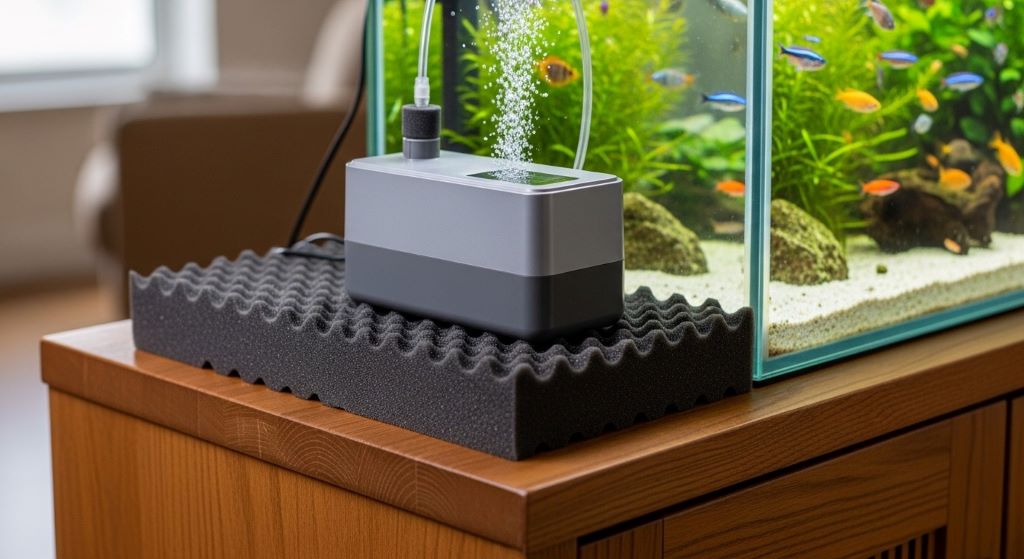
Another successful technique involves placing the pump inside a cushioned container. Soft materials absorb vibrations before they reach surrounding structures. An old shoebox lined with foam or towels creates an effective dampening chamber. However, ensure adequate ventilation to prevent overheating, which could damage your equipment or create safety hazards.
Vibration control extends beyond the pump itself to include tubing management. Rigid airline tubes transmit mechanical energy effectively, carrying pump oscillations directly to your tank. Switching to flexible silicone tubing reduces this transmission considerably. Moreover, avoiding tight bends and ensuring tubes don’t touch multiple surfaces minimizes additional noise sources.
Choosing and Installing Rubber Feet for Your Air Pump
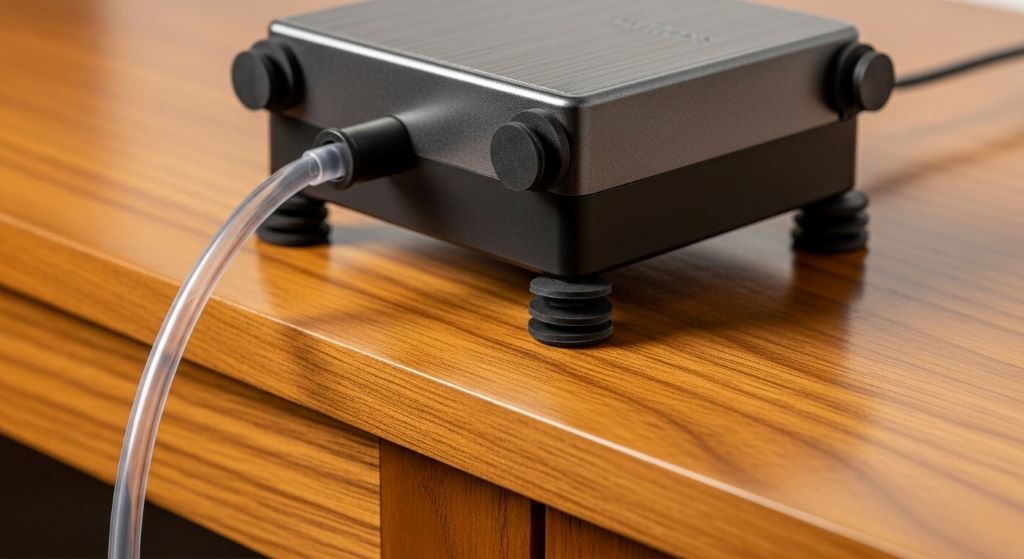
Specialized accessories designed for noise reduction offer tremendous value despite their modest cost. Small rubber pads placed beneath equipment create a buffer zone that interrupts vibration pathways. These simple additions transform hard surface contact into dampened connections that absorb rather than transmit mechanical energy.
Selecting appropriate rubber feet air pump accessories requires considering thickness and material composition. Denser rubber provides better isolation but may feel too firm for some applications. Conversely, very soft materials compress completely under weight, reducing their effectiveness. Medium-density options typically deliver the best balance between absorption and stability.
Installation involves more than simply placing pads under your equipment. Ensuring even contact across all feet prevents rocking that creates additional noise. Clean both the pump bottom and the surface beneath before positioning your dampeners. This preparation maximizes friction, preventing equipment from shifting during operation and maintaining optimal isolation.
Some advanced hobbyists stack multiple layers of different materials for enhanced performance. Combining rubber with cork or foam creates a composite system with superior dampening characteristics. Experimenting with various configurations helps you discover what works best for your specific situation. Document your results to replicate successful setups in the future.
Practical Soundproofing Tips for Aquarium Equipment
Beyond addressing vibrations directly, environmental modifications substantially reduce perceived noise levels. Creating barriers between your equipment and living spaces prevents sound from traveling freely. These interventions range from simple adjustments to more involved projects, accommodating various skill levels and budgets.
Relocating your air pump provides the most straightforward solution when feasible. Moving equipment farther from sleeping areas or quiet zones reduces its impact on daily life. Closets, utility spaces, or even adjacent rooms can house pumps while maintaining functionality through extended airline tubing. Just ensure the new location provides adequate ventilation and remains accessible for maintenance.
Enclosing equipment within sound-dampening structures offers another effective approach. Purpose-built cabinets with acoustic foam lining contain noise remarkably well. Alternatively, modifying existing furniture achieves similar results at lower cost. Adding weather stripping around cabinet doors and applying foam panels to interior surfaces creates a quieter environment without dedicated construction.
Strategic use of soft furnishings around your aquarium absorbs ambient sound. Curtains, rugs, and upholstered furniture all reduce acoustic reflection, creating a gentler soundscape. This passive approach complements other methods rather than replacing them. Combined strategies typically deliver superior results compared to relying on any single technique.
Maintaining Your Equipment for Continued Quiet Operation
Regular maintenance prevents noise issues from developing over time. Air pumps accumulate dust and debris that interfere with smooth operation. Internal components wear gradually, introducing new sounds as tolerances increase. Addressing these changes proactively maintains the peaceful environment you’ve worked to create.
Cleaning your pump according to manufacturer recommendations extends its quiet operation. Disassembling the unit periodically allows you to remove accumulated particles and inspect for damage. Pay special attention to diaphragms and valves, which commonly show wear. Replacing these components before they fail prevents sudden increases in operational noise.
Airline tubing also requires periodic replacement, though many aquarists overlook this maintenance task. Over time, plasticizers in the material break down, causing tubes to harden and crack. This deterioration creates air leaks that produce hissing sounds. Replacing tubing annually ensures consistent performance while preventing unexpected failures that could harm your fish.
Checking connections throughout your system reveals loose fittings that contribute to noise. Tightening gang valves and securing check valves eliminates rattling sounds. Additionally, confirming that airstones remain clean and functional prevents backpressure that forces pumps to work harder. Well-maintained systems operate more efficiently and quietly than neglected setups.
Optimizing Air Stone and Diffuser Selection
The components that distribute air within your tank significantly influence overall noise levels. Different designs produce varying acoustic signatures as they break water tension and create bubbles. Choosing appropriate diffusers for your situation balances oxygenation needs with noise considerations.
Traditional airstones create relatively large bubbles that pop loudly at the surface. While effective for gas exchange, they generate considerable splashing sounds. Fine-pore diffusers produce tiny bubbles that dissolve before reaching the surface, operating much more quietly. However, these require higher pressure and may not suit all pump types.
Positioning diffusers strategically within your tank reduces unwanted sounds. Placing them deeper submerges more of the bubble column, allowing more time for dissolution. Avoiding placement directly below surface agitation points prevents excessive splashing. Furthermore, orienting diffusers horizontally rather than vertically sometimes produces gentler bubble streams.
Experimenting with different configurations helps you find the quietest effective setup. Some aquarists use multiple small diffusers instead of one large unit, distributing air more evenly. Others adjust flow rates to find the minimum necessary for adequate oxygenation. These refinements make substantial differences in your overall acoustic environment.
Creating a Comprehensive Noise Reduction Plan
Successful noise control requires combining multiple strategies rather than relying on isolated fixes. Each technique addresses specific sound sources, and together they create a significantly quieter system. Developing a systematic approach ensures you address all contributing factors effectively.
Start by assessing your current setup to identify primary noise sources. Listen carefully while touching different components to determine whether sounds originate from vibrations or airflow. This diagnostic phase guides your improvement efforts, helping you prioritize changes for maximum impact. Recording baseline noise levels provides a reference for measuring progress.
Implement changes incrementally, evaluating each modification before proceeding to the next. This methodical approach reveals which interventions deliver the greatest benefits for your situation. Sometimes a single adjustment solves the entire problem, while other cases require multiple complementary solutions. Patience during this process yields better long-term results than hasty, comprehensive overhauls.
Document your modifications and their effects to build personal knowledge over time. Photographs, notes about materials used, and subjective impressions all contribute valuable information. This record helps troubleshoot future issues and assists fellow hobbyists facing similar challenges. Sharing successful strategies strengthens the aquarium community’s collective expertise.
Addressing Special Situations and Challenging Cases
Some scenarios present unique obstacles that require creative problem-solving. Extremely sensitive living situations, such as studio apartments or bedrooms, demand exceptional quietness. Similarly, large aquariums with high oxygen demands may require powerful pumps that resist standard noise reduction techniques. These circumstances call for advanced approaches.
For particularly demanding applications, consider upgrading to linear piston pumps rather than diaphragm models. These alternative designs operate with different mechanics that produce less vibration inherently. Though more expensive initially, their superior performance justifies the investment when silence proves critical. Research thoroughly before purchasing to ensure compatibility with your specific needs.
Multiple small pumps sometimes work better than one large unit for extensive systems. Distributing the workload reduces individual pump strain, potentially lowering operational noise. This configuration also provides redundancy, protecting your livestock if one pump fails. However, it increases maintenance requirements and initial costs.
Professional aquarium installations often incorporate equipment rooms specifically designed for noise isolation. While impractical for most home setups, the principles behind these designs apply at smaller scales. Dedicated spaces with proper sound dampening create optimal conditions for mechanical equipment. Consulting experienced aquarists or professional installers provides insights for challenging situations.
Conclusion
Reducing noise from fish tank aerators involves understanding sound sources and implementing targeted solutions. Vibration control forms the foundation of any effective strategy, preventing mechanical energy from transferring through solid connections. Using rubber feet air pump dampeners provides an accessible and affordable first step that delivers noticeable improvements for most situations.
Combined with thoughtful soundproofing tips like strategic equipment placement and environmental modifications, these approaches create significantly quieter aquarium systems. Regular maintenance ensures continued peaceful operation while protecting your investment in quality equipment. Remember that successful noise reduction often requires multiple complementary techniques working together rather than any single solution.
The effort invested in creating a quiet aquarium environment pays dividends in daily comfort and enjoyment. Your fish benefit from stable conditions without mechanical stress, while you gain a relaxing focal point free from annoying disturbances. With patience and systematic problem-solving, even challenging noise issues yield to persistent improvement efforts.
Frequently Asked Questions
Why does my silent air pump still make noise?
Even pumps marketed as silent can create disturbance through vibration transfer to surfaces. The pump may operate quietly in isolation but transmits mechanical energy through cabinets and stands. Additionally, aging components, improper placement, or environmental factors contribute to perceived loudness beyond the manufacturer’s specifications.
How often should I replace the rubber feet under my air pump?
Inspect rubber dampening pads every six months for compression, cracking, or hardening. Most quality rubber feet last one to two years with normal use before requiring replacement. However, extreme temperatures or chemical exposure may accelerate deterioration. Replace them immediately if you notice increased noise levels or visible damage.
Can I use household items instead of specialized soundproofing materials?
Yes, many common items work effectively for noise reduction. Old mouse pads, weather stripping, towels, and foam packaging all provide acoustic dampening. While specialized products often perform better, household alternatives offer cost-effective solutions for experimenting with different configurations before investing in premium materials.
Will reducing air pump noise affect oxygen levels in my tank?
Properly implemented noise reduction should not compromise oxygenation. Focus on dampening vibrations and containing sound rather than restricting airflow. Ensure tubes remain unkinked and diffusers stay clean. Monitor your fish for signs of oxygen stress, though appropriate modifications rarely impact actual air delivery.
What if I’ve tried everything and my pump is still too loud?
Consider replacing the pump entirely with a higher-quality model designed for quieter operation. Some pumps simply cannot achieve acceptable noise levels regardless of modifications. Linear piston pumps or models with superior vibration dampening built-in may better suit your needs, particularly in noise-sensitive environments.
Related Topics:
10 Ways Insulation Makes Home Healthier and More Comfortable
10 Ways Insulation Enhances Indoor Air Quality and Comfort

