
Imagine stepping into your garage, ready to build that custom shelf or decorative sign you always wanted. You grab a tool that cuts curves smoothly and straight lines easily. That tool changes everything for beginners. A jigsaw handles detailed work where other saws fail. Moreover, millions now embrace DIY home improvements.
Recent data shows that 75% of homeowners tackle projects themselves, according to RubyHome in 2026. Additionally, the DIY home improvement market continues to grow rapidly, with projections reaching new heights by 2032. Beginners need the right jigsaw for wood and other materials to succeed. For instance, a reliable jigsaw for home projects offers versatility and ease. This guide helps you choose, use, and master one safely.
What Is a Jigsaw and Why Do You Need One for DIY?
A jigsaw cuts intricate shapes in wood, metal, and plastic. It uses a thin blade that moves up and down quickly. You guide it freehand for curves or along a guide for straight lines.
Furthermore, DIY enthusiasts love its flexibility. It plunges into materials for interior cuts, like sink holes in countertops. However, circular saws limit you to straight cuts only.
Many beginners start with simple builds, such as picture frames or garden signs. A beginner jigsaw opens creative doors. For example, you craft rounded edges on shelves or detailed patterns in plywood. Additionally, it handles thinner materials without splintering when used correctly.
Power tools cause around 400,000 emergency room visits yearly in the U.S., per safety reports. Yet, proper handling makes jigsaws safe and rewarding. They fit small workshops perfectly since they stay compact and portable.
Types of Jigsaws: Corded vs. Cordless
Jigsaws come in two main types. Each suits different needs.
Corded models plug into outlets. They deliver constant power without fading. Moreover, they often feel stronger for thick wood cuts. Beginners on longer sessions appreciate no battery worries.
Cordless versions run on batteries. They provide freedom to move anywhere. For instance, outdoor projects or tight spaces benefit greatly. Additionally, modern batteries last hours and recharge fast.
Many experts recommend cordless for home use today. Advances in battery tech close the power gap. However, corded options work well if you stay near outlets.
Top brands offer both styles. Choose based on your workspace and mobility needs.
Key Features to Look For in a Beginner Jigsaw
Beginners focus on user-friendly features. These make cutting easier and safer.
Variable speed control tops the list. You adjust blade speed for different materials. Slower speeds suit metal, while faster ones handle wood well. Moreover, it prevents burning delicate pieces.
Orbital action adds efficiency. The blade swings forward slightly on upstrokes. This clears debris faster and cuts quicker. However, turn it off for smooth, splinter-free edges.
Tool-free blade changes save time. You swap blades without extra tools. Additionally, look for a sturdy base plate that tilts for angled cuts.
LED lights illuminate your line. Dust blowers keep it clear. Furthermore, ergonomic grips reduce fatigue during use.
A good beginner jigsaw includes these basics. They build confidence quickly.
How to Choose the Best Jigsaw for Wood and Other Materials
Wood remains the most common material for DIY. A quality jigsaw for wood needs sharp, fine-tooth blades.
Consider stroke length and strokes per minute. Longer strokes cut faster. Higher speeds tackle tough jobs.
For versatility, pick models that handle metal and plastic too. Use specific blades for each.
Amperage matters in corded tools. Higher amps mean more power. In cordless, check voltage and battery compatibility.
Weight affects control. Lighter tools feel better for detailed work. However, balance matters more than raw power for beginners.
Read user reviews for real experiences. They reveal ease and reliability.
Top Jigsaw Recommendations for Beginners in 2026
Several models stand out this year. They balance features, ease, and performance.
Bosch models often lead lists. Their barrel-grip options provide precise control. Additionally, strong motors handle demanding tasks.
DeWalt cordless jigsaws earn praise for durability. Brushless motors extend runtime. Moreover, they integrate with existing battery systems.
Black+Decker offers affordable entry points. Simple designs suit first-timers perfectly.
Skil provides solid value. Their tools deliver pro-level cuts at DIY prices.
Ryobi shines for battery ecosystem fans. Cordless freedom combines with reliable performance.
Makita focuses on smooth operation. Low vibration reduces hand strain.
Select one that matches your budget and brand preferences. Each excels in beginner-friendly ways.
Safety Tips Every Beginner Must Follow
Safety comes first with any power tool. Jigsaws cause injuries if mishandled.
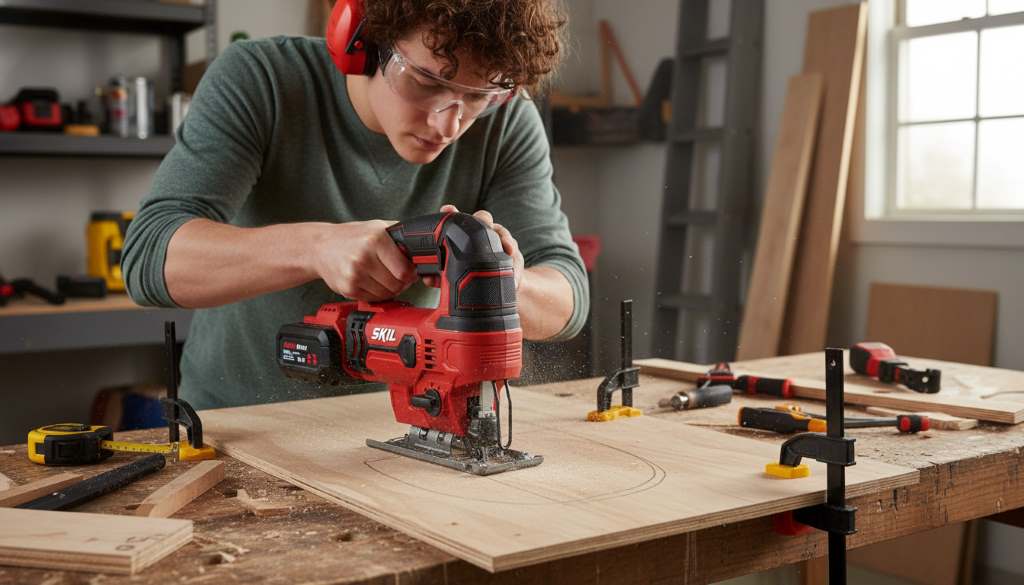
Always wear eye protection. Safety glasses shield from flying debris. Additionally, use ear protection on longer sessions.
Secure your workpiece firmly. Clamps prevent movement. Moreover, never force the tool.
Keep hands away from the blade path. Let the saw do the work. Furthermore, unplug or remove batteries when changing blades.
Work in well-ventilated areas. Dust masks help with fine particles.
Check cords for damage on corded models. Store tools properly after use.
Following these steps prevents most accidents. Stay alert and focused.
Step-by-Step Guide to Using a Jigsaw
Start with preparation. Mark your cut line clearly with pencil.
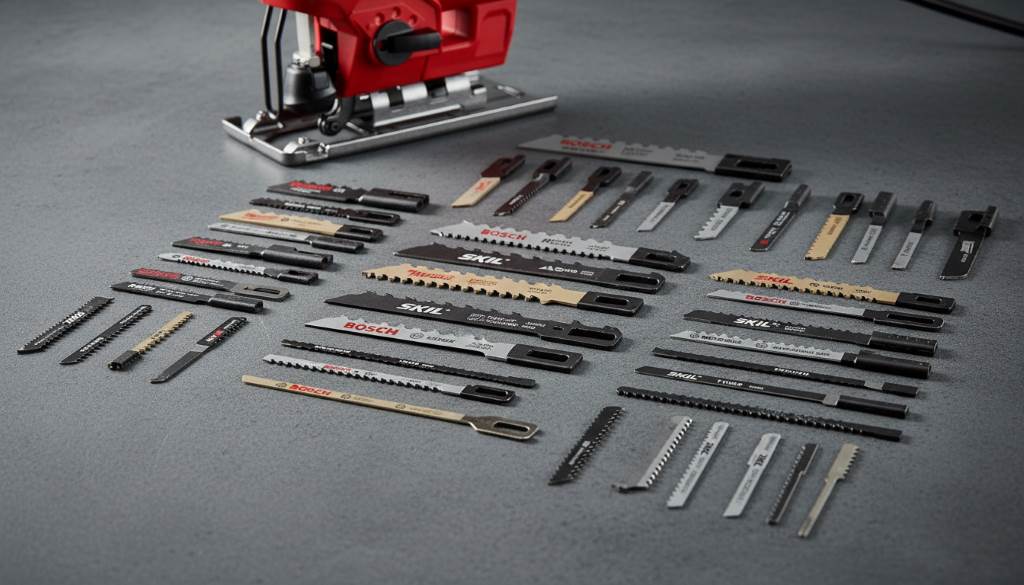
Choose the right blade. Fine teeth for clean wood cuts. Coarser for faster work.
Secure the material on a stable surface. Overhang the cut area slightly.
Set speed and orbital action. Lower settings for starters.
Hold the tool with both hands. Place the base flat on the material.
Start the saw before touching the wood. Guide slowly along the line.
For curves, turn gently. Let the blade follow naturally.
Plunge cuts need a starter hole. Drill first, then insert.
Practice on scrap first. Builds skill and confidence.
Finish with light sanding for smooth edges.
Common Beginner Mistakes and How to Avoid Them
New users often rush cuts. Slow, steady pressure works best.
Wrong blades cause tearing. Match blade to material always.
Skipping clamps leads to slips. Secure everything firmly.
High orbital settings splinter wood tops. Use zero for clean finishes.
Forgetting dust blowers obscures lines. Activate them early.
Overheating happens from forcing. Let the tool pace itself.
Learn from these. Practice fixes most issues quickly.
Related:
Essential Lawn and Garden Hoe Tools Every Gardener Should Know
Best Portable Rotary Tool for Beginners: HARDELL 4V Review
Maintenance Tips to Keep Your Jigsaw Performing Well
Clean after each use. Remove sawdust from vents and base.
Lubricate moving parts occasionally. Keeps action smooth.
Store in a dry case. Protects from damage.
Check blades regularly. Replace dull ones immediately.
Inspect cords and batteries. Look for wear signs.
Tighten loose screws. Ensures stability.
Proper care extends tool life greatly. Small efforts pay off.
Conclusion
Choosing the best jigsaw for DIY projects transforms your home creations. You now understand types, features, safety, and usage. Start with a beginner jigsaw that fits your needs. Practice builds mastery over time.
Grab your tool and begin that first project today. Your custom builds await.
FAQs
What makes a good beginner jigsaw?
A good beginner jigsaw offers variable speed, easy blade changes, and comfortable grip. These features help you control cuts and build skills safely.
Can I use a jigsaw for wood and metal?
Yes, you can. Switch to metal-cutting blades for thinner sheets. Adjust speed lower to avoid overheating.
How do I prevent splintering when cutting wood?
Use fine-tooth blades and tape the cut line. Cut with the good side down. Zero orbital action helps too.
Is a cordless jigsaw powerful enough for DIY?
Modern cordless models match corded power closely. Battery advancements make them ideal for most home tasks.
What blades should beginners start with?
Start with a pack of wood-cutting blades. Include fine and medium teeth. Add scrolling blades for tight curves later.
References
- RubyHome DIY Statistics: https://www.rubyhome.com/blog/diy-stats
- Statista DIY Home Improvement: https://www.statista.com/topics/9439/diy-home-improvement-projects-in-the-us
- Pro Tool Reviews on Tool Safety: https://www.protoolreviews.com/diy-injuries-which-tools-cause-most
- Bob Vila Best Jigsaws 2025: https://www.bobvila.com/reviews/best-jigsaws-2025