
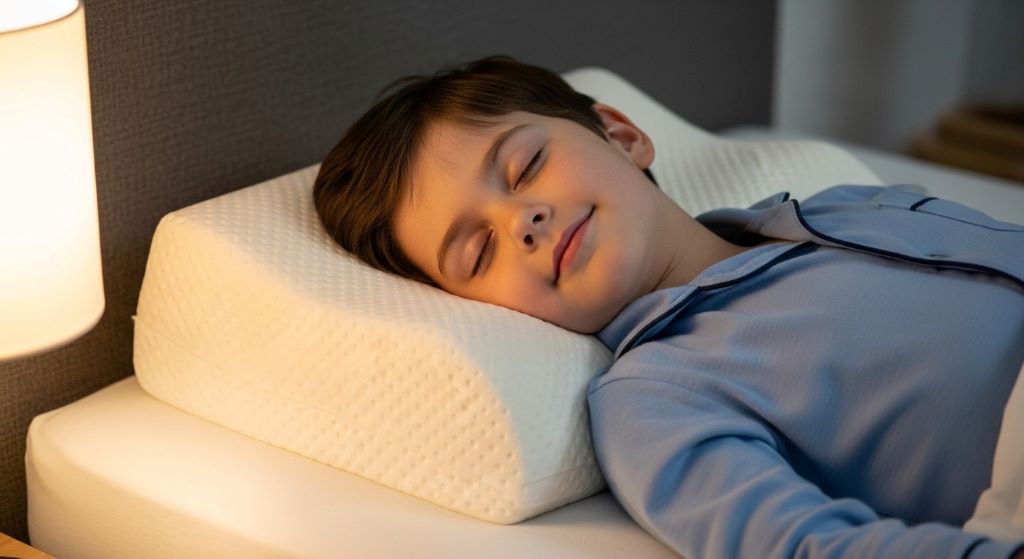
Quality sleep is essential for growing children, and the right pillow plays a crucial role in ensuring they get the rest they need. Many parents overlook the importance of proper sleep support for their kids, assuming any soft pillow will do. However, choosing the right pillow can significantly impact your child’s sleep quality, spinal health, and overall development.
Memory foam pillows have become increasingly popular for adults, but they also offer unique advantages for children. These specialized pillows conform to the shape of your child’s head and neck, providing customized support throughout the night. Understanding how to select the right memory foam pillow for your child requires knowledge of their specific needs, developmental stage, and sleep habits.
This comprehensive guide will walk you through everything you need to know about selecting a memory foam pillow that promotes healthy sleep for your child. From understanding different types of memory foam to recognizing when your child is ready for a pillow upgrade, you’ll gain the knowledge needed to make an informed decision.
Understanding Children’s Sleep Needs
Children require significantly more sleep than adults to support their rapid physical and mental development. During sleep, their bodies release growth hormones, consolidate memories, and repair tissues. Poor sleep quality can affect everything from immune function to academic performance and emotional regulation.
The position of your child’s head and neck during sleep matters more than many parents realize. Just like adults, children can develop neck pain, headaches, and poor sleep posture if their pillow doesn’t provide adequate support. However, their needs differ from adults because their bodies are still growing and changing.
Young children have proportionally larger heads compared to their bodies. This difference means they need different support than adults to maintain proper spinal alignment. A pillow that’s too thick can push their head forward, while one that’s too thin offers insufficient support.
Additionally, children tend to move more during sleep than adults. They shift positions frequently, roll around, and sometimes end up in unexpected sleeping positions. Therefore, their pillow needs to accommodate this movement while still providing consistent support.
What Makes Memory Foam Special
Memory foam responds to body heat and pressure, molding to fit the unique contours of your child’s head and neck. This adaptive quality sets it apart from traditional pillow materials like down, feathers, or polyester fill. The foam gradually conforms to pressure points, distributing weight evenly across the surface.
When pressure is removed, memory foam slowly returns to its original shape. This characteristic allows the pillow to adjust as your child moves during the night, continuously providing customized support. The material essentially creates a custom fit for each sleeping position.
Temperature sensitivity is another key feature of memory foam. The material becomes softer in warmer areas where your child’s head rests, creating a gentle cradle effect. However, this same property can sometimes cause heat retention, which is an important consideration for children who tend to sleep hot.
Durability is a significant advantage of quality memory foam. Unlike traditional pillows that flatten and lose shape over time, good memory foam maintains its supportive properties for years. This longevity makes it a worthwhile investment despite the typically higher upfront cost.
Foam Pillow Benefits for Growing Children
The foam pillow benefits extend beyond simple comfort, offering specific advantages that support healthy development in children. Proper spinal alignment during sleep helps prevent the development of poor posture habits that can persist into adulthood. Memory foam naturally supports the cervical spine, keeping it in a neutral position regardless of sleep position.
Pressure point relief is particularly valuable for active children whose muscles need proper recovery during sleep. Memory foam distributes pressure evenly, preventing the formation of uncomfortable pressure points that can disrupt sleep. This even distribution helps children stay in restorative deep sleep stages longer.
Hypoallergenic properties make memory foam an excellent choice for children with allergies or asthma. The dense structure resists dust mites, mold, and other common allergens that accumulate in traditional pillow materials. This resistance creates a healthier sleep environment, particularly important for children with respiratory sensitivities.
Moreover, the consistency of support provided by memory foam can help children who have difficulty settling down at bedtime. The familiar feel and reliable support create a comforting sleep environment that may help anxious or restless children relax more easily.
Age-Appropriate Pillow Selection
Different ages require different pillow characteristics. Infants under one year should not use pillows at all, as they pose suffocation risks and are unnecessary for proper alignment. Their relatively large heads and flat backs mean they naturally maintain proper alignment on a flat surface.
Toddlers between one and three years old may begin using very thin pillows, but only if they’ve transitioned to a regular bed. The pillow should be minimal, providing just enough elevation to maintain comfort without compromising safety. Many toddlers don’t actually need pillows yet, so observe your child’s comfort and consult with your pediatrician.
Preschoolers and early elementary age children, typically three to six years old, are ready for more substantial pillows. However, these should still be thinner than adult pillows. A low-loft memory foam pillow designed specifically for this age group provides appropriate support without over-elevating the head.
Older children and pre-teens can generally use pillows more similar to adult sizes, though they may still benefit from youth-specific designs. Pay attention to their body size and sleeping habits rather than just their age. A petite ten-year-old might need different support than a larger child of the same age.
Key Features of Kids Ergonomic Pillow Designs
A kids ergonomic pillow is specifically engineered to support the unique physical characteristics of children’s bodies. The loft, or height, is one of the most critical features. Children’s pillows should generally have lower loft than adult versions to accommodate their smaller frames and the natural curve of their developing spines.
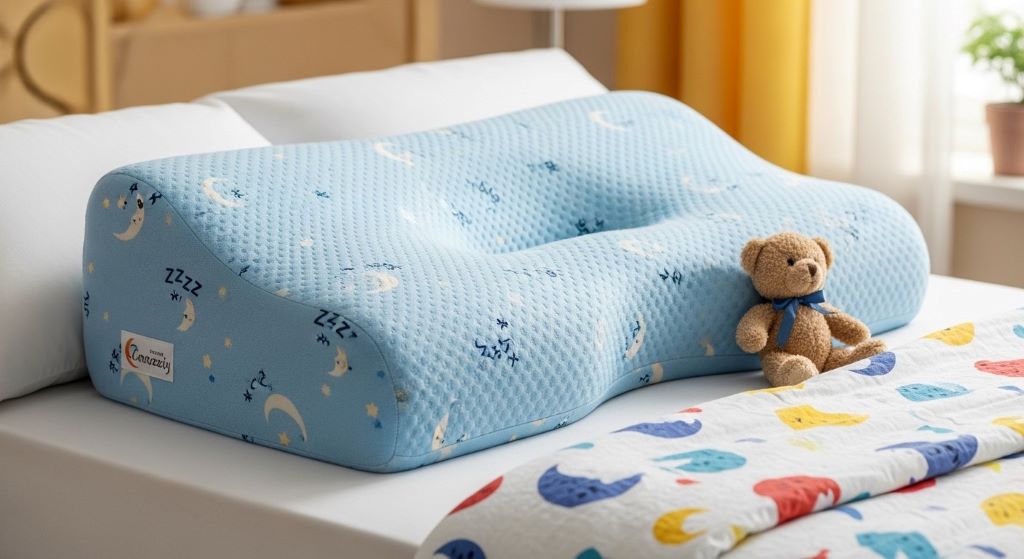
Contoured shapes can provide additional support for side and back sleepers. Some memory foam pillows feature gentle curves that cradle the head while supporting the neck. However, for children who frequently change positions during sleep, a more uniform shape might work better.
Firmness levels vary among memory foam pillows, and the right choice depends on your child’s preferences and sleep position. Side sleepers typically need slightly firmer support to fill the space between their ear and shoulder. Back sleepers often prefer medium firmness, while stomach sleepers require the softest, lowest pillows.
Size matters when selecting a pillow for children. Standard adult pillows can be overwhelming for small children, making them feel lost in bed. Youth-sized pillows provide adequate coverage without taking up excessive space or encouraging poor sleep posture.
Breathability is essential for children’s pillows because kids tend to sleep warmer than adults. Look for memory foam with gel infusions, ventilation channels, or breathable covers that promote air circulation. These features help regulate temperature and prevent uncomfortable night sweating.
Safety Considerations
Safety should always be your top priority when selecting any sleep product for children. Check that the memory foam is certified free from harmful chemicals and off-gassing. CertiPUR-US certification indicates the foam meets specific standards for emissions, content, and durability.
The pillow cover should be removable and washable, as children are more prone to spills, accidents, and general messiness. Machine-washable covers make it easy to maintain a hygienic sleep environment. Some covers are even waterproof or water-resistant, providing extra protection.
Ensure the pillow doesn’t have small parts, buttons, or zippers that could pose choking hazards. All components should be securely attached and appropriate for your child’s age and developmental stage. Read manufacturer guidelines about age recommendations carefully.
Consider your child’s specific health needs. Children with asthma, allergies, or other respiratory conditions may need pillows with additional protective features. Consult your pediatrician if your child has any medical conditions that might affect pillow selection.
Fire safety standards vary by region, but quality children’s pillows should meet applicable safety regulations. Check for compliance with Consumer Product Safety Commission standards if you’re in the United States, or equivalent regulations in your country.
Density and Firmness Levels
Memory foam density is measured in pounds per cubic foot and affects both support and durability. Higher density foam generally provides better support and lasts longer, but it can also retain more heat. For children’s pillows, medium density typically offers the best balance of support, comfort, and breathability.
Low-density memory foam, around 2 to 3 pounds per cubic foot, feels softer and more responsive. It adjusts quickly to movement but may not provide adequate support for proper spinal alignment. Additionally, low-density foam tends to break down faster, losing its supportive properties within a year or two.
Medium-density foam, ranging from 3 to 5 pounds per cubic foot, works well for most children. It provides good support while still feeling comfortable and responsive. This density level typically maintains its shape and support for several years with proper care.
High-density foam, above 5 pounds per cubic foot, offers excellent support and exceptional durability. However, it may feel too firm for some children and typically retains more heat. This density is generally unnecessary for children’s pillows unless they have specific orthopedic needs.
Cover Materials and Their Importance
The pillow cover affects comfort, breathability, and maintenance as much as the foam itself. Natural materials like cotton or bamboo-derived fabrics offer excellent breathability and feel soft against your child’s skin. These materials wick moisture away, helping maintain a comfortable sleep temperature.
Synthetic covers made from polyester or microfiber can be very soft and are often more affordable. However, they may not breathe as well as natural materials. Some high-quality synthetic covers incorporate moisture-wicking technology that improves their performance.
Hypoallergenic covers provide an additional layer of protection for children with sensitivities. These covers are tightly woven to prevent allergens from penetrating while remaining breathable. They’re particularly valuable for children with dust mite allergies or asthma.
Cooling covers address one of memory foam’s common drawbacks by actively dissipating heat. These covers may incorporate phase-change materials, cooling gel, or special weaving techniques that enhance airflow. They’re excellent for children who tend to sleep hot or live in warm climates.
Texture also matters, especially for children with sensory sensitivities. Some kids prefer smooth, silky textures, while others like the feel of slightly nubby fabrics. Let your child touch and feel the cover material before purchasing if possible.
Transitioning to a New Pillow
Introducing a new pillow requires patience and a gradual approach, especially if your child has been using the same pillow for a long time. Sudden changes in sleep environment can disrupt sleep patterns, so make the transition as smooth as possible.
Start by involving your child in the selection process. Let them see and touch the new pillow before bedtime. Explain how it will help them sleep better and feel more comfortable. This involvement creates positive associations and reduces resistance.
Consider placing the new pillow in bed during daytime rest or quiet time before using it for nighttime sleep. This strategy allows your child to become familiar with the pillow in a low-pressure situation. They can adjust to the feel and smell without the expectation of falling asleep immediately.
Keep the old pillow nearby for the first few nights. Some children feel more secure knowing their familiar pillow is still available if they want it. Most kids naturally gravitate to the more comfortable option once they experience the benefits of proper support.
Monitor your child’s sleep quality and comfort during the transition period. Ask them how they’re sleeping and whether the pillow feels comfortable. Be willing to make adjustments if the pillow doesn’t seem like the right fit.
Maintaining Your Child’s Memory Foam Pillow
Proper care extends the life of your investment and ensures the pillow remains hygienic. Most memory foam pillows shouldn’t be machine washed because the agitation and water can damage the foam structure. Instead, spot clean the foam itself with a damp cloth and mild detergent.
Wash the pillow cover regularly according to manufacturer instructions, typically every one to two weeks. This frequent washing removes oils, sweat, and allergens that accumulate during sleep. Having a spare cover allows you to always have a clean one available.
Air out the pillow periodically by removing the cover and letting it rest in a well-ventilated area. This practice helps dissipate any odors and moisture that may have accumulated. Avoid direct sunlight, which can degrade memory foam over time.
Use a pillow protector underneath the regular cover for additional protection against spills and accidents. This extra layer is especially valuable for younger children who might have occasional bedtime accidents. Waterproof protectors are available that don’t compromise breathability.
Fluff and rotate the pillow regularly to maintain its shape and ensure even wear. While memory foam doesn’t need fluffing like traditional pillows, gentle manipulation and rotation help it maintain optimal performance.
Signs Your Child Needs a New Pillow
Even quality memory foam pillows eventually need replacement. Visible indentations that don’t bounce back indicate the foam has lost its resilience and no longer provides adequate support. When you press on the pillow and the impression remains, it’s time for a new one.
If your child complains of neck pain, headaches, or general discomfort upon waking, the pillow may no longer be appropriate for their current size and needs. Growing children’s needs change, and what worked six months ago might not be suitable now.
Increased allergy symptoms despite regular cleaning suggest allergen accumulation that washing can’t address. Even with protective covers, microscopic particles can eventually penetrate and accumulate in the foam itself.
Noticeable odors that persist after airing out indicate bacterial growth or moisture damage. While some new memory foam has a temporary smell that dissipates, ongoing odors signal it’s time for replacement.
Physical damage like tears, compression, or exposure to liquids that penetrated the foam compromises both comfort and hygiene. Don’t try to salvage a damaged pillow, as it won’t provide proper support and may harbor bacteria or mold.
Budget Considerations and Value
Memory foam pillows for children range from around twenty dollars to over a hundred. While it’s tempting to opt for the cheapest option, extremely low-priced pillows often use inferior materials that break down quickly or don’t provide adequate support.
Mid-range options, typically between forty and seventy dollars, often offer the best value. These pillows usually feature quality foam, breathable covers, and safety certifications without the premium price tag of luxury brands. They provide good support and durability for growing children.
Premium pillows justify their higher cost through superior materials, advanced cooling technology, and longer warranties. If your child has specific needs like severe allergies or chronic pain issues, investing in a high-end pillow might be worthwhile. However, most children do well with quality mid-range options.
Consider the pillow’s expected lifespan when evaluating cost. A fifty-dollar pillow that lasts three years costs less per year than a twenty-dollar pillow you replace annually. Factor in your child’s growth rate too, as they may outgrow the pillow before it wears out.
Look for warranties and return policies that protect your investment. Reputable manufacturers stand behind their products with warranties ranging from one to five years. Trial periods allow you to ensure the pillow works for your child before committing fully.
Reading and Understanding Product Labels
Product descriptions can be confusing, filled with technical terms and marketing language. Learning to decode these labels helps you make informed decisions and compare products effectively.
Memory foam type affects performance significantly. Traditional memory foam responds to heat and pressure. Gel-infused foam incorporates cooling gel particles for temperature regulation. Plant-based foam uses renewable materials and typically sleeps cooler than petroleum-based alternatives.
Certifications indicate compliance with safety and quality standards. CertiPUR-US certification confirms the foam is made without harmful chemicals like formaldehyde, heavy metals, and certain flame retardants. OEKO-TEX certification applies to fabrics and ensures they’re free from harmful substances.
Loft measurements, usually given in inches, tell you the pillow’s height. For children, look for pillows between 2 and 4 inches thick, depending on age and size. Adjustable loft pillows allow you to add or remove layers to customize the height.
Warranty terms reveal manufacturer confidence in their product. Longer warranties generally indicate better quality. However, read the fine print to understand what’s covered and what voids the warranty.
Conclusion
Selecting the best memory foam pillow for your child involves balancing multiple factors including age, size, sleep position, and personal preferences. The foam pillow benefits, such as proper spinal alignment, pressure relief, and allergen resistance, make memory foam an excellent choice for growing children. A kids ergonomic pillow designed specifically for younger sleepers provides the appropriate support their developing bodies need.
Remember that the right pillow changes as your child grows. What works for a preschooler won’t be suitable for a pre-teen. Pay attention to signs that your child needs a pillow upgrade, and don’t hesitate to make changes when necessary. Quality sleep is an investment in your child’s health, development, and daily wellbeing.
Take time to research options, involve your child in the selection process, and choose a pillow from a reputable manufacturer with appropriate safety certifications. With the right memory foam pillow, you can help ensure your child enjoys restful, restorative sleep that supports their growing body and mind.
The investment in a quality pillow pays dividends through better sleep quality, improved focus during the day, and the establishment of healthy sleep habits that will benefit your child throughout their life.
Frequently Asked Questions
At what age can my child start using a memory foam pillow?
Most experts recommend waiting until at least age two before introducing any pillow. Memory foam pillows are generally appropriate for children ages three and older, once they’ve fully transitioned to a toddler or regular bed. However, every child develops differently, so consider your child’s size and needs rather than age alone. Consult your pediatrician if you’re unsure whether your child is ready for a pillow.
How do I know if the pillow is the right thickness for my child?
When your child lies on their side, their head should align with their spine in a straight, neutral position. The pillow should fill the space between their ear and the mattress without tilting their head up or letting it drop down. For back sleepers, the pillow should support the natural curve of the neck without pushing the head too far forward. If you notice their head is noticeably higher or lower than their spine, adjust the pillow thickness accordingly.
Are memory foam pillows safe for children with allergies?
Yes, memory foam pillows are often excellent for children with allergies. The dense structure naturally resists dust mites, mold, and mildew that commonly accumulate in traditional pillow materials. However, ensure you choose a pillow with CertiPUR-US or similar certification to avoid chemical sensitivities. Use a hypoallergenic cover for additional protection, and wash the cover regularly to remove surface allergens like pollen and pet dander.
How often should I replace my child’s memory foam pillow?
Quality memory foam pillows typically last three to five years with proper care. However, growing children may outgrow their pillow before it wears out. Replace the pillow sooner if you notice permanent indentations, your child complains of neck discomfort, or visible damage occurs. Additionally, consider replacing the pillow if your child experiences a significant growth spurt, as their support needs will have changed.
Can my child use a memory foam pillow if they move a lot during sleep?
Absolutely. Memory foam actually works well for active sleepers because it continuously adjusts to different sleeping positions. The foam responds to pressure and heat regardless of how your child positions themselves. However, choose a pillow with uniform thickness rather than specialized contours, as this design accommodates position changes better. Also ensure the pillow isn’t too large, which might make it difficult for your child to find a comfortable spot.
Related Topics:
Parallel Play: A Stepping Stone to Social Skills
The Truth About Baby Bath Temperature: Finding the Sweet Spot