

A damaged roof is stressful. Repair costs can feel overwhelming, especially when you are not prepared for them. However, fixing your roof does not have to drain your savings. With the right approach, you can make solid repairs without spending a fortune.
Many homeowners assume that affordable means low quality. That is simply not true. Budget roofing solutions exist that are both effective and long-lasting. The key is knowing what to prioritize, what to do yourself, and when to call a professional.
This guide will walk you through everything you need to know. You will learn how to assess your roof, choose the right materials, and make smart decisions every step of the way.
Start by Assessing the Damage
Before you spend a single dollar, you need to understand the problem. Not all roof damage is the same. Some issues are minor and easy to fix. Others are more serious and require professional attention.
Begin by doing a visual inspection from the ground. Look for missing or curling shingles. Check for sagging areas or dark patches. Additionally, look for granules in your gutters. Those tiny pebbles come from asphalt shingles and signal wear.
Next, go into your attic. Bring a flashlight. Look for daylight coming through the roof boards. Check for water stains, mold, or damp insulation. These signs tell you exactly where moisture is entering.
Once you understand the extent of the damage, you can plan your approach. A small leak near the flashing is a very different job from widespread shingle deterioration. Therefore, a clear assessment saves you both time and money.
Know When to DIY and When to Hire a Professional
This is one of the most important decisions you will make. Doing some work yourself can save a lot of money. However, taking on too much can lead to bigger problems and higher costs later.
DIY roof repair is suitable for:
- Replacing a few missing shingles
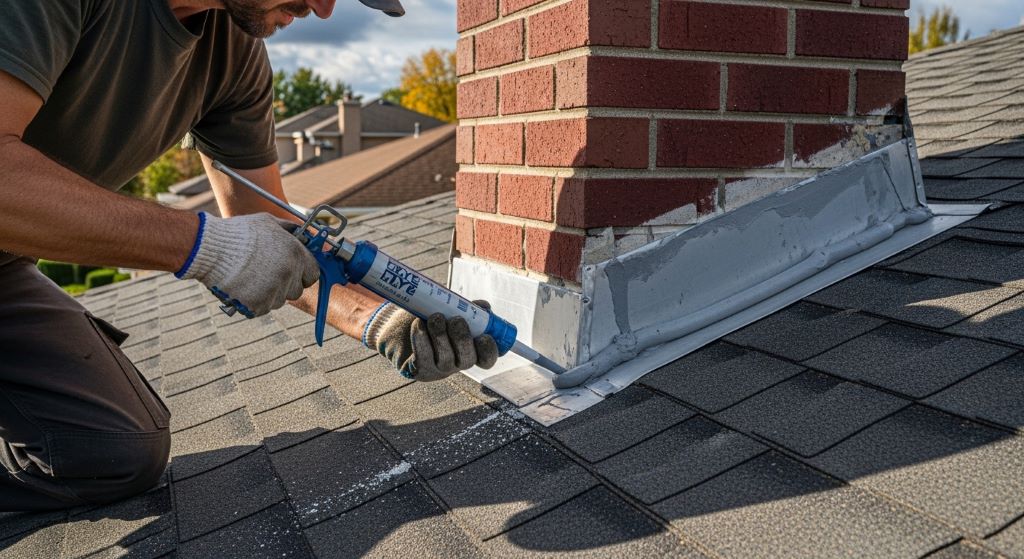
- Sealing small cracks or gaps around flashing
- Clearing clogged gutters and downspouts
- Applying roof sealant over minor punctures
These tasks are manageable for most homeowners with basic tools and safety awareness. Nevertheless, always prioritize safety. Use a sturdy ladder. Wear non-slip shoes. Never work on a wet roof. Having someone on the ground with you is strongly recommended.
On the other hand, some jobs require a licensed roofer. These include structural repairs, widespread water damage, full or partial re-roofing, and any work near electrical components. Attempting these without experience can be dangerous and costly. In these cases, getting multiple quotes from contractors is the smartest budget move you can make.
Choosing the Right Materials Without Overspending
Material selection is where you can make the biggest impact on your budget. Fortunately, there are many low-cost materials available that perform well under the right conditions.
Asphalt Shingles
Asphalt shingles are the most affordable and widely used roofing material in North America. They are easy to install, come in many styles, and last between 20 and 30 years with proper care. When replacing damaged shingles, try to match the existing ones as closely as possible. Mismatched shingles can affect both appearance and resale value.
Three-tab asphalt shingles are the most budget-friendly option. Architectural shingles cost a bit more but offer better durability and wind resistance. If your region experiences strong storms, investing a little more in a sturdier shingle may save you money in the long run.
Roof Patching Products
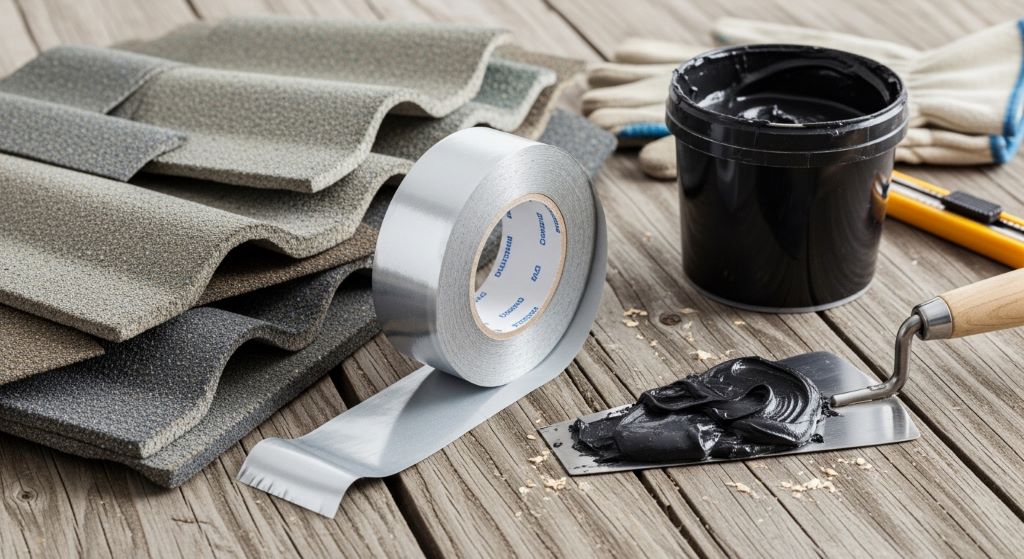
For small repairs, roof patching products are a practical and inexpensive choice. Roofing cement, also called mastic, is a thick paste you can apply around flashing, vents, and small cracks. It creates a waterproof seal and is available at most hardware stores for just a few dollars.
Roof repair tape is another useful product. It is a self-adhesive, waterproof strip that works on metal, rubber, and shingle surfaces. It is easy to apply and holds up well in various weather conditions. Therefore, it is a great option for quick fixes that need to last until a more permanent solution is in place.
Rolled Roofing
Rolled roofing is one of the most affordable options available. It comes in large rolls and is commonly used on flat or low-slope roofs. It is not as long-lasting as traditional shingles, but it gets the job done for outbuildings, garages, and areas with minimal pitch.
Installation is straightforward, making it a realistic DIY project. However, for a main residential roof, it is generally used as a temporary solution or underlayment rather than a primary covering.
Reclaimed or Surplus Materials
Many roofing supply stores sell surplus or reclaimed materials at a significant discount. These are materials left over from larger projects or returned items in good condition. You can find quality shingles, flashing, and underlayment at a fraction of the retail price.
Additionally, check online marketplaces for leftover roofing materials in your area. Homeowners who recently completed roof projects often sell unused supplies cheaply. Just make sure the materials are in good condition and compatible with your existing roof.
Smart Ways to Cut Labor Costs
Labor is often the largest part of any roofing bill. Therefore, reducing labor costs is one of the fastest ways to bring down your total expense.
One effective strategy is to do your own prep work. Clear the area around your home before the roofer arrives. Remove patio furniture, potted plants, and anything that could get in the way. Some contractors charge for this time. Doing it yourself removes that line from the invoice.
Another approach is to get at least three quotes. Roofing prices vary widely between contractors. One company may charge significantly less for the same job. Always compare quotes carefully. Make sure each one covers the same scope of work before you decide.
Ask about off-season pricing too. Roofers are busiest in late summer and early fall. If your repair is not urgent, scheduling it in late winter or early spring may get you a better rate. Contractors are often more willing to negotiate during slower months.
You can also ask if the contractor will let you supply your own materials. Some will agree to this, which means you can shop around for low-cost materials and pass the savings on to yourself. Not all contractors allow this, but it is always worth asking.
Preventing Future Damage on a Budget
Repairs cost money. Prevention costs far less. With a few simple habits, you can extend the life of your roof and avoid expensive problems down the road.
Clean your gutters at least twice a year. Clogged gutters cause water to back up under shingles and lead to rot and leaks. This is a task most homeowners can do themselves with a ladder and a pair of gloves.
Trim overhanging tree branches regularly. Branches that rub against the roof wear down shingles over time. Falling branches during storms can cause serious damage. Keeping trees trimmed back protects your roof and reduces debris buildup.
Inspect your roof every spring and fall. Look for cracked, loose, or missing shingles. Check the flashing around chimneys, skylights, and vents. Catching small issues early prevents them from becoming large, expensive problems.
Apply a roof sealant every few years. This is especially important on flat or low-slope roofs. A good quality sealant adds a waterproof layer that extends the life of the surface below. It is an affordable preventive step that pays for itself many times over.
Understanding Roofing Warranties and Insurance
Many homeowners overlook two important financial tools: warranties and home insurance.
Check your existing shingle warranty first. Many manufacturers offer warranties of 20 to 30 years. If your shingles are failing prematurely, the manufacturer may cover replacement costs. You will need your original purchase receipt and proof of proper installation, so keep those records safe.
Home insurance is another resource. If your roof was damaged by a storm, fallen tree, or other sudden event, your homeowner’s policy may cover part or all of the repair. Contact your insurance provider before spending anything. An adjuster will assess the damage and let you know what is covered.
However, insurance typically does not cover damage from neglect or age. Therefore, it is important to maintain your roof regularly and document its condition with photos over time.
Working With a Contractor on a Tight Budget
If you need professional help but have limited funds, communication is your best tool. Be upfront with contractors about your budget from the start. A good contractor will work with you to find the best solution within your means.
Ask about phased repairs. Instead of fixing everything at once, some contractors will prioritize the most urgent areas first. You can address the rest over time as your finances allow. This approach keeps your home protected without breaking the bank.
Some roofing companies also offer financing plans. These allow you to spread the cost over several months or years. This is worth considering for major repairs that cannot wait. Just read the terms carefully and understand the interest rate before agreeing.
Additionally, look into local government assistance programs. Some municipalities offer low-interest home repair loans or grants for qualifying homeowners. Nonprofit housing organizations sometimes provide free or reduced-cost repairs for seniors and low-income families. A quick search online or a call to your local housing authority can reveal options you may not know about.
Conclusion
Repairing your roof on a budget is entirely possible. It simply requires a clear plan and informed decisions. Start with a thorough assessment of the damage. Know which repairs you can handle yourself and which ones need a professional. Choose budget roofing solutions that match your specific situation. Use low-cost materials wisely and look for ways to reduce labor costs.
Prevention is also a powerful money-saver. Regular maintenance keeps small problems from growing into large ones. Take advantage of warranties and insurance when they apply. And when you do hire a contractor, communicate openly about your budget.
Your roof is one of the most important parts of your home. Taking care of it does not have to cost a fortune. With the right knowledge and a practical approach, you can protect your home, maintain quality, and keep your finances intact.
Frequently Asked Questions
How much does it typically cost to repair a roof on a budget?
Minor repairs like replacing a few shingles or sealing small leaks can cost as little as $150 to $400 if you do the work yourself. Hiring a contractor for small repairs usually ranges from $300 to $1,500 depending on the scope of the job and your location.
What is the most affordable roofing material for repairs?
Three-tab asphalt shingles are the most affordable option for most residential roofs. Rolled roofing is even cheaper and works well for flat or low-slope areas like garages or sheds. Roofing cement and repair tape are the least expensive choices for sealing small cracks and gaps.
Can I repair my roof myself without any experience?
Yes, for minor jobs like replacing a few shingles or applying sealant. However, you should never attempt structural repairs or work near electrical lines without professional training. Always prioritize safety and use proper equipment when working at heights.
Will my homeowner’s insurance cover roof repairs?
It depends on the cause of damage. Insurance typically covers sudden damage from storms, hail, or fallen trees. It usually does not cover damage from aging or neglect. Contact your insurance provider early in the process to find out what your policy includes.
How often should I inspect my roof to avoid costly repairs?
Inspect your roof at least twice a year, ideally in spring and fall. Additionally, check it after any major storm. Early detection of small issues like cracked shingles or loose flashing can prevent costly water damage and extend the overall life of your roof.
Related Topics:
Crown Your Home Green: Unveiling the Most Environment Friendly Roofing Options
Roof Tiles Modern Homes – Timeless Beauty Meets Contemporary Functionality

3 thoughts on “How to Repair Your Roof on a Budget Without Compromising Quality”