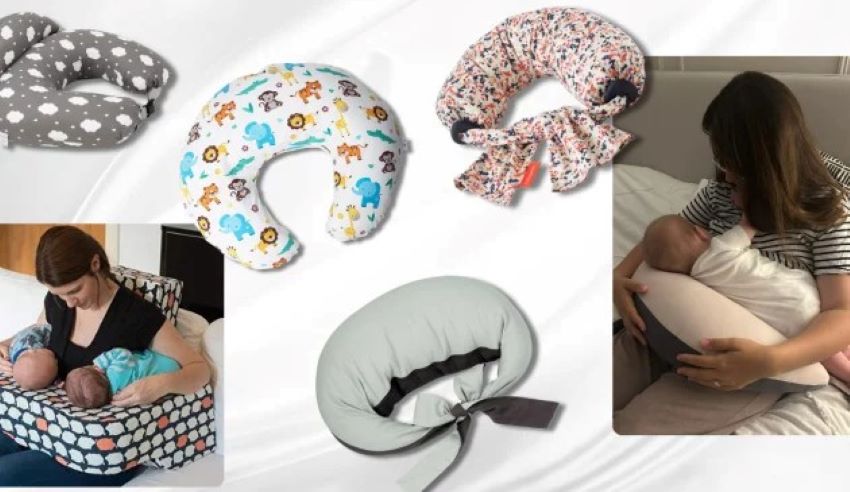


Welcoming a newborn into your home brings joy and excitement, along with countless decisions about what products you truly need. Among the many items marketed to new parents, nursing pillows stand out as tools that can genuinely transform your feeding experience. However, choosing the right one requires understanding your needs and what different designs offer.
Feeding your baby happens multiple times throughout the day and night. Without proper support, you may experience back pain, neck strain, and arm fatigue. An infant feeding cushion addresses these issues by positioning your baby at the right height and angle, allowing you to feed comfortably for extended periods.
This guide will help you navigate the options available and make an informed decision. You’ll learn about different pillow types, essential features, safety considerations, and how to match a pillow to your specific situation. By the end, you’ll know exactly what to look for when selecting this important piece of equipment.
Understanding Why Nursing Pillows Matter
New parents often wonder whether a nursing pillow is truly necessary or just another marketed product. The reality is that proper support during feeding makes a significant difference in your comfort and your baby’s latch quality.
When you hold your baby without support, your arms bear the full weight for twenty to forty minutes per feeding session. Multiply this by eight to twelve feedings per day, and the strain becomes obvious. Your shoulders hunch forward, your neck bends downward, and your back curves unnaturally.
A well-designed pillow brings your baby up to breast or bottle level. This positioning allows you to sit upright with relaxed shoulders and a straight spine. Your arms rest comfortably rather than supporting weight constantly. Additionally, proper positioning helps newborns latch correctly, reducing nipple pain and improving milk transfer.
Beyond feeding, these pillows serve multiple purposes. They provide supervised tummy time support, prop babies at safe angles for short periods, and help during the transition to sitting. This versatility makes them valuable well beyond the early feeding months.
Types of Nursing Pillows Available
The market offers several distinct pillow designs, each with specific advantages. Understanding these differences helps you identify which style suits your needs best.
C-shaped pillows are the most common design. They wrap around your torso and rest on your lap, creating a stable platform. These pillows work well for mothers of average build and provide good support for both breastfeeding and bottle feeding. However, they can feel bulky for smaller individuals.
U-shaped designs offer support on both sides simultaneously. This feature makes them particularly useful for tandem feeding twins or for parents who want extra back support. The extended wings can also help prop babies during playtime. Nevertheless, their larger size makes them less portable.
Wraparound pillows with adjustable straps secure around your waist. This attachment prevents the pillow from shifting during feeding, which can be helpful when nursing active babies. The security comes at the cost of quick removal, though, which some parents find inconvenient.
Flat rectangular pillows provide simple, straightforward support without wrapping around you. They’re easy to position and reposition quickly. While less specialized than contoured designs, their simplicity appeals to parents who prefer minimal bulk and maximum flexibility.
Inflatable options offer portability for travel. You can deflate them to pack easily and inflate when needed. However, they typically provide less firm support than foam-filled alternatives and may develop leaks over time.
Key Features to Consider
Once you understand the basic types, focus on specific features that affect comfort, durability, and usability. These details make the difference between a pillow you use daily and one that sits unused.
Firmness significantly impacts support quality. A pillow that’s too soft compresses under your baby’s weight, losing the height advantage. Too firm, and it becomes uncomfortable for extended use. Look for medium-firm options that maintain their shape while still feeling comfortable against your body.
The cover material affects both comfort and maintenance. Cotton covers feel soft and breathable, making them pleasant during long feeding sessions. Polyester blends often resist staining better and dry faster after washing. Some pillows include waterproof liners beneath removable covers, adding protection without sacrificing comfort.
Washability is crucial because spills and spit-up happen frequently. Removable, machine-washable covers allow for easy cleaning. Check whether the pillow itself can be spot-cleaned or if the entire unit requires hand washing. Additionally, consider whether you can purchase extra covers to have backups while one is in the wash.
Height and thickness determine how much elevation the pillow provides. Taller individuals typically need thicker pillows to bring babies to the correct position. Shorter parents may find standard pillows too tall, causing babies to sit uncomfortably high. Some manufacturers offer different sizes to accommodate various body types.
Arm support areas make a noticeable difference during long sessions. Look for pillows with slightly raised edges or contoured surfaces that cradle your arms comfortably. This feature reduces arm fatigue and helps maintain proper positioning throughout the feeding.
Safety Considerations
While nursing pillows are generally safe when used correctly, understanding potential risks helps you make informed choices and use the product appropriately.
Never leave your baby unattended on a nursing pillow. These products are not designed for unsupervised sleep, and babies can roll or shift into unsafe positions. Always move your baby to a safe sleep surface like a crib or bassinet after feeding.
Ensure the pillow provides stable support without soft, sinking areas where a baby’s face could press. Firmer pillows reduce this risk while still offering comfort. Check regularly that the pillow maintains its shape and hasn’t developed compressed spots.
Watch for loose threads, broken seams, or exposed filling. These defects can pose choking hazards if your baby manages to pull material free. Inspect your pillow regularly and discontinue use if you notice any damage.
Verify that any straps or fasteners are secure and well-constructed. Poorly attached straps can break, causing sudden shifts during feeding. Additionally, ensure buckles or closures don’t have sharp edges that could scratch you or your baby.
Choose pillows made from hypoallergenic materials, especially if allergies run in your family. Some babies develop sensitivities to certain fabrics or fillings. Natural materials like cotton and organic fabrics reduce exposure to potential irritants.
Matching Pillows to Feeding Methods
Different feeding approaches benefit from different pillow features. Therefore, consider your primary feeding method when making your selection.
Breastfeeding mothers often prefer contoured pillows that position babies at breast height. The curvature helps babies maintain proper latch angles, which is particularly important during the learning phase. Look for pillows firm enough to prevent babies from sinking backward, which can compromise the latch.
Bottle-feeding parents have more flexibility since positioning requirements are less precise. However, proper support still matters for comfort during frequent feedings. Consider pillows that provide good arm support, as bottle feeding requires you to hold the bottle throughout each session.
Combination feeding, where you both breastfeed and bottle feed, requires versatile pillows that work well for both methods. Choose designs that allow easy positioning adjustments without completely removing the pillow. Flat-top surfaces typically adapt better to different feeding styles.
Mothers of multiples need specialized solutions. Twin feeding pillows extend further to accommodate two babies simultaneously. These designs typically have two distinct support areas that keep babies at appropriate angles. While larger and less portable, they’re invaluable for efficient tandem feeding.

Size and Portability Factors
Consider where and how you’ll use your pillow. This thinking helps you balance support quality with practical concerns like storage and transport.
Home use allows for larger, more supportive pillows without portability concerns. If you plan to feed primarily in one or two locations, choose based purely on comfort and support quality. Storage space matters, though, especially in smaller homes or apartments.
Multi-room use requires easier portability. Parents who feed in different areas throughout the day benefit from lightweight designs with carrying handles or straps. However, don’t sacrifice too much support for portability if comfort is your priority.
Travel needs demand compact options. If you visit family regularly or travel frequently, consider having a dedicated travel pillow. Inflatable designs or thin, foldable options work well for trips while maintaining a more supportive pillow for home use.
Your body size influences the appropriate pillow dimensions. Petite individuals may find standard pillows overwhelming and difficult to position correctly. Conversely, plus-size parents might need larger designs that wrap completely around them. Some brands offer size variations, so don’t hesitate to ask about options.
Budget Considerations and Value
Nursing pillows range from budget-friendly options under thirty dollars to premium models costing over a hundred. Understanding what drives these price differences helps you invest wisely.
Basic pillows typically feature simple shapes, standard foam filling, and basic fabric covers. They provide functional support without extra features. For parents on tight budgets or those unsure how much they’ll use a pillow, these economical options make sense.
Mid-range pillows generally offer better construction quality, more thoughtful design features, and superior materials. They often include removable covers, firmer support, and more ergonomic shaping. This category provides the best value for most parents who plan to use their pillow regularly.
Premium pillows justify higher prices through exceptional materials, innovative designs, and extended durability. They might feature organic fabrics, memory foam filling, or unique shapes developed through extensive research. Additionally, premium brands often offer better warranties and customer service.
Consider longevity when evaluating cost. A pillow you use daily for six to twelve months, plus occasional use afterward, provides excellent value even at higher price points. Calculate the cost per use rather than focusing solely on the upfront price.
Remember that newborn care essentials don’t always require premium versions. However, items you use multiple times daily deserve careful consideration and adequate investment. Your comfort directly affects your ability to care for your baby, making a good nursing pillow money well spent.
Testing and Adjusting Your Choice
Once you’ve selected a pillow, proper use maximizes its benefits. Taking time to adjust and optimize your setup makes a significant difference.
Position the pillow at a height that brings your baby to your breast or bottle without requiring you to hunch forward. You should be able to sit upright with relaxed shoulders. If you find yourself leaning over, the pillow needs to be higher or your baby needs additional support under them.
Experiment with pillow placement around your body. Some parents prefer the pillow directly against their torso, while others leave a small gap. Try different positions to find what feels most natural and provides the best support for your particular body shape.
Use additional pillows behind your back or under your feet if needed. A nursing pillow works best as part of an overall comfortable setup. Don’t hesitate to create a feeding station with back support, footstools, or whatever else increases your comfort.
Give yourself time to adjust. The first few uses might feel awkward as you figure out the best positioning. However, most parents develop a comfortable routine within several days. If discomfort persists after a week of regular use, the pillow might not suit your needs.
Watch your baby’s positioning carefully. Their head should be in line with their body, not turned sharply to one side. Their nose should be free to breathe easily. Adjust the pillow or add small blanket rolls if needed to achieve proper alignment.
When to Start and Stop Using a Nursing Pillow
Timing your pillow use appropriately ensures you get maximum benefit while transitioning smoothly when it’s no longer needed.
Start using your pillow from the very beginning. The newborn stage presents the steepest learning curve for both feeding and positioning. Having proper support from day one helps establish good habits and reduces physical strain during this demanding period.
Continue use as long as it provides value. Many parents use nursing pillows well beyond the newborn stage, through six months or even longer. As babies grow and become more mobile, they may wiggle more during feeding. The pillow can still provide useful arm support even when babies don’t need the same positioning help.
Transition away gradually when your baby becomes too large or active for comfortable pillow use. Some babies outgrow pillows around four to six months, while calmer babies may comfortably use them longer. Trust your instincts about when the pillow becomes more hindrance than help.
Repurpose your pillow for other developmental stages. Once feeding support is no longer necessary, the pillow can assist with supported sitting, tummy time, or safe propping for babies learning to sit independently. This extended use increases the overall value of your investment.
Conclusion
Selecting the right nursing pillow involves evaluating your body type, feeding method, lifestyle, and budget. An infant feeding cushion that fits your needs transforms feeding from a physically demanding task into a comfortable bonding experience. Consider the pillow’s shape, firmness, washability, and safety features when making your choice.
Remember that newborn care essentials should support both you and your baby. The right pillow reduces physical strain, improves feeding positioning, and serves multiple purposes throughout your baby’s first year. Don’t hesitate to invest in quality when choosing items you’ll use multiple times daily.
Take time to test different positions and make adjustments until you find what works best. Every parent-baby pair is unique, so what works perfectly for others might need modification for you. With the right pillow and proper positioning, feeding becomes the peaceful, enjoyable experience it should be.
Frequently Asked Questions
When should I start using a nursing pillow with my newborn?
You can start using a nursing pillow from your baby’s first feeding. Many hospitals and birthing centers have pillows available to try while you’re still recovering. Having one ready at home ensures you have proper support from day one. The newborn period is when you’ll benefit most from the positioning help and physical support these pillows provide.
Can I use a regular bed pillow instead of a nursing pillow?
While regular pillows can provide some support, they’re not designed for nursing and won’t offer the same benefits. Regular pillows compress unevenly, shift during feeding, and lack the proper shape to maintain consistent baby positioning. Additionally, they don’t wrap around you to provide arm support. For occasional use, regular pillows work in a pinch, but dedicated nursing pillows make daily feeding much more comfortable.
How do I clean my nursing pillow?
Most nursing pillows have removable, machine-washable covers that you can clean regularly. Remove the cover and wash according to the manufacturer’s instructions, typically in cold or warm water on a gentle cycle. For the pillow itself, spot-clean spills immediately with mild soap and water. Some pillow cores can be hand-washed and air-dried, but check your specific product’s care instructions before washing the entire pillow.
Are nursing pillows safe for baby sleep?
No, nursing pillows are not safe for unsupervised sleep. Always move your baby to an approved sleep surface like a crib or bassinet after feeding. Nursing pillows lack the firm, flat surface required for safe infant sleep and can pose suffocation risks. Use them only while you’re actively feeding or supervising your baby during awake time activities.
Can I use a nursing pillow for bottle feeding?
Absolutely. Nursing pillows work equally well for bottle feeding and breastfeeding. They provide the same positioning support and comfort benefits regardless of feeding method. The pillow elevates your baby to the appropriate height and supports your arms, reducing fatigue during bottle feeding sessions. Many parents who exclusively bottle feed find nursing pillows just as valuable as breastfeeding parents do.
Related Topics:
The Truth About Baby Bath Temperature: Finding the Sweet Spot
How to Choose the Best Memory Foam Pillow for Kids