
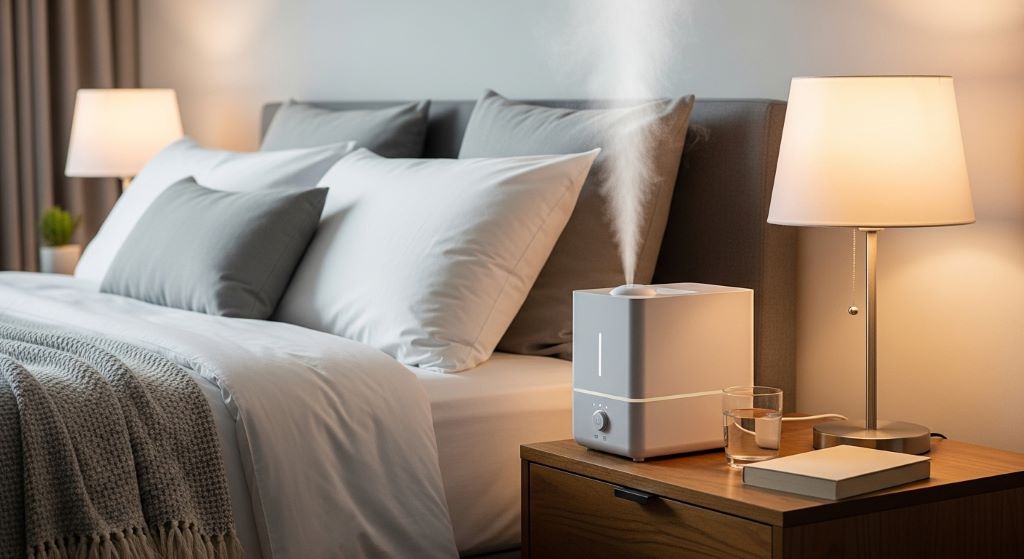
Getting a good night’s rest affects every aspect of your daily life. From energy levels to mental clarity, quality sleep determines how well you function throughout the day. However, many people struggle to achieve restful sleep despite maintaining consistent bedtime routines. The answer to better rest might be simpler than you think. The air you breathe while sleeping plays a crucial role in sleep quality.
Dry air can cause numerous problems that disrupt your sleep cycle. It irritates your throat, dries out nasal passages, and can even trigger allergic reactions. These issues lead to frequent waking, snoring, and general discomfort throughout the night. Furthermore, inadequate moisture levels in your sleeping environment can worsen existing respiratory conditions. Understanding how moisture affects your rest is the first step toward improving it.
Understanding the Connection Between Air Moisture and Rest
The relationship between air moisture and sleep quality is well-documented in scientific research. When air contains appropriate moisture levels, your respiratory system functions optimally. Your nasal passages remain moist, which helps filter out allergens and irritants effectively. Additionally, moist air prevents the drying of throat tissues that often causes discomfort and coughing at night.
Optimal moisture levels range between 30 and 50 percent relative humidity. Below this range, you may experience dry skin, irritated sinuses, and increased susceptibility to infections. Above this range, you risk promoting mold growth and dust mite populations. Therefore, maintaining balance is essential for creating the perfect sleeping environment.
During winter months, heating systems dramatically reduce indoor moisture levels. This creates an especially challenging environment for quality rest. The dry air produced by heaters can drop humidity below 20 percent in some cases. Consequently, people often wake with scratchy throats, bloody noses, or congestion. These symptoms indicate that bedroom air quality needs improvement.
Summer air conditioning also affects moisture levels, though less dramatically than heating. Air conditioners remove moisture as they cool the air. This can still create uncomfortably dry conditions in some climates. Moreover, certain geographic regions naturally have lower humidity levels year-round. Residents in these areas face consistent challenges maintaining comfortable sleeping conditions.
Your body loses moisture through respiration and perspiration during sleep. In dry environments, this moisture loss accelerates. Your body must work harder to maintain hydration levels throughout the night. This extra effort can disrupt deep sleep stages and reduce overall rest quality. Understanding these mechanisms helps you appreciate why managing air moisture matters.
Health Benefits of Proper Air Moisture During Sleep
Maintaining appropriate moisture levels in your sleeping space offers numerous health advantages. These benefits extend beyond simple comfort to include tangible improvements in overall wellness. Consider how balanced humidity supports your health during rest periods.
Respiratory health improves significantly with proper air moisture. Your airways stay lubricated, reducing irritation and inflammation. This is particularly beneficial for people with asthma or chronic bronchitis. Additionally, moist air helps thin mucus secretions, making breathing easier. This leads to fewer nighttime disruptions and more restorative sleep.
Skin hydration benefits from adequate environmental moisture. Dry air pulls moisture from your skin, leading to flaking, itching, and premature aging. However, sleeping in properly humidified air helps maintain skin’s natural moisture barrier. This results in healthier, more supple skin over time. Furthermore, conditions like eczema and psoriasis often improve with better humidity levels.
Immune function receives support from optimal moisture levels. Dry nasal passages become vulnerable to viral and bacterial infections. Maintaining moisture helps your body’s first line of defense work effectively. Moreover, some research suggests that viruses survive longer in dry air. Creating a more humid environment may reduce your exposure to airborne pathogens.
Sleep quality itself improves when you breathe comfortably throughout the night. Fewer interruptions mean more time in deep sleep stages. These stages are crucial for physical recovery and mental restoration. Therefore, better air quality directly translates to feeling more refreshed upon waking.
Snoring often decreases with improved air moisture. Dry airways can cause tissues to vibrate more during breathing. This creates the sound we recognize as snoring. Keeping airways moist reduces this vibration and the resulting noise. This benefits both the snorer and their sleeping partner.
Selecting the Right Moisture Device for Your Sleeping Space
Choosing an appropriate device requires understanding different types and their specific features. Several varieties exist, each with distinct advantages and ideal use cases. Knowing these differences helps you make an informed decision.
Cool mist devices use ultrasonic technology or evaporative systems to disperse moisture. They’re generally safer around children and pets since they don’t heat water. Additionally, they consume less energy than warm mist alternatives. However, they require more frequent cleaning to prevent bacterial growth. These work well in warmer climates or during summer months.
Warm mist devices boil water before releasing steam into the air. The heating process kills most bacteria and germs in the water. This makes them slightly more hygienic than cool mist options. Furthermore, warm mist can provide a soothing effect during cold winter nights. The downside includes higher energy consumption and potential burn risks near the device.
Evaporative models use a fan to blow air through a wet wick or filter. These self-regulate to some degree, as they work less efficiently when air is already moist. They’re often quieter than ultrasonic models and less likely to create white dust. However, they require regular filter replacements, adding to ongoing costs.
Ultrasonic devices use high-frequency vibrations to create a fine mist. They operate very quietly, making them ideal for light sleepers. Additionally, they’re highly energy-efficient and often more affordable. The main concern is the potential for white dust if you use hard water. Using distilled water eliminates this issue.
Size considerations matter when selecting a device for your bedroom. Small units work for rooms up to 300 square feet. Medium units handle spaces between 300 and 500 square feet. Large units or whole-house systems serve bigger areas. Matching capacity to your room size ensures optimal performance.
Essential Features for Nighttime Use
Certain features make devices more suitable for bedroom use specifically. These characteristics enhance convenience and ensure undisturbed rest. Prioritize these elements when shopping for your sleep space.
Noise levels significantly impact sleep quality. Look for devices rated at 30 decibels or lower. This is roughly equivalent to a whisper and won’t disturb most sleepers. Additionally, check reviews mentioning noise levels, as manufacturer specifications sometimes differ from real-world performance. Ultrasonic models typically offer the quietest operation.
Automatic shut-off provides safety and convenience. This feature turns the device off when water runs out. It prevents damage to the unit and eliminates fire hazards. Moreover, it saves energy by not running unnecessarily. Most quality devices include this essential safety feature.
Adjustable output settings let you customize moisture levels to your preferences. Some nights you might need more moisture than others. Variable settings accommodate changing conditions and personal comfort. Furthermore, this flexibility helps prevent over-humidification, which can cause its own problems.
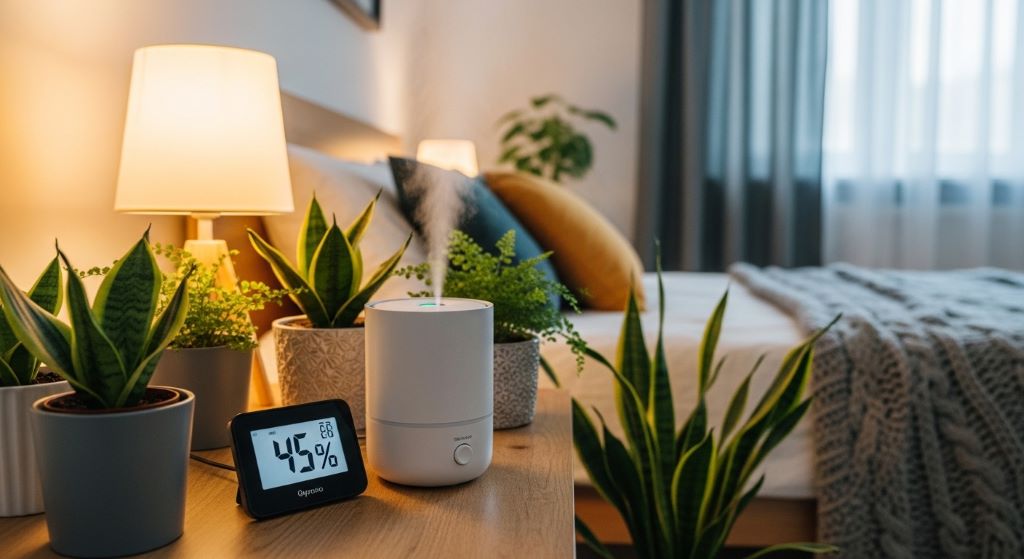
Built-in hygrometers measure current moisture levels in your room. This information helps you maintain optimal conditions consistently. Some advanced models automatically adjust output based on these readings. This automation ensures you stay within the ideal 30 to 50 percent range without constant monitoring.
Night lights or display controls affect your sleep environment. Bright displays can interfere with melatonin production and sleep quality. Look for devices with dimmable or completely dark modes. Additionally, some models include soft night lights that provide just enough illumination for nighttime navigation without disrupting sleep.
Timer functions add convenience to your nighttime routine. You can set the device to run for specific durations. This is useful if you only want moisture for part of the night. Furthermore, timers help conserve water and energy. Many people find that running their device for the first few hours of sleep provides sufficient benefit.
Proper Placement and Usage Guidelines
Where and how you use your moisture device affects its effectiveness significantly. Following best practices ensures optimal results and prevents potential problems. Consider these important placement and operational guidelines.
Distance from your bed matters for both effectiveness and safety. Place the device at least three feet from your sleeping area. This prevents direct mist from settling on bedding, which could promote mold growth. However, keep it close enough to benefit from the moisture it produces. A nightstand or dresser across the room often works well.
Height placement influences moisture distribution throughout your room. Elevating the device on a nightstand or small table works better than floor placement. Higher positions allow mist to disperse more evenly before settling. Additionally, this protects the device from accidental kicks or spills. Ensure the surface is stable and water-resistant.
Room circulation affects how well moisture spreads throughout your space. Avoid placing devices directly in front of air vents or fans. These air currents can blow mist in concentrated areas, creating uneven humidity. Instead, position your device where air flows naturally but gently. This ensures even distribution without forcing the mist.
Water quality impacts both device performance and your health. Always use distilled or demineralized water when possible. Tap water contains minerals that can create white dust and build up in the device. Furthermore, these minerals can carry bacteria if not cleaned regularly. Investing in distilled water prevents these issues and extends device lifespan.
Fill levels should be monitored daily during use. Never let the water reservoir run completely dry repeatedly. This can damage the device and reduce its effectiveness. Additionally, refill with fresh water daily rather than topping off old water. This simple practice prevents bacterial growth and maintains hygiene.
Operating duration depends on your specific needs and room conditions. Many people run devices continuously during sleep hours. Others prefer running them for a few hours before bed to pre-condition the room. Experiment to find what works best for your situation. Monitor how you feel upon waking to gauge effectiveness.
Maintenance and Cleaning Best Practices
Regular maintenance ensures your device operates safely and effectively. Neglecting cleaning can turn your helpful device into a health hazard. Follow these essential maintenance practices to protect your investment and your health.
Daily maintenance includes emptying any remaining water each morning. Stagnant water breeds bacteria quickly, especially in warm environments. Rinse the tank with clean water and let it air dry when possible. Additionally, wipe down the exterior to remove any dust or moisture. These simple daily steps prevent most problems.
Weekly deep cleaning removes mineral deposits and kills bacteria. Disassemble all removable parts according to manufacturer instructions. Soak components in white vinegar or hydrogen peroxide solution for 30 minutes. Then scrub gently with a soft brush to remove any buildup. Rinse thoroughly and allow everything to dry completely before reassembling.
Filter replacement schedules vary by model and usage. Check manufacturer recommendations for your specific device. Generally, replace filters monthly during heavy use seasons. Less frequent replacement works during periods of minimal use. However, inspect filters weekly and replace them sooner if they appear dirty or discolored.
Descaling prevents mineral buildup that reduces efficiency. Use distilled white vinegar or commercial descaling solutions designed for moisture devices. Fill the tank with the solution and run the device for 30 minutes. Then empty, rinse thoroughly, and run with clean water before normal use. Perform this process monthly or whenever you notice decreased output.
Storage during off-seasons requires proper preparation. Clean the device thoroughly and let all parts dry completely. Store in a cool, dry place away from direct sunlight. Additionally, keep the original packaging if possible for protected storage. Proper storage extends device life and ensures it’s ready when needed again.
Signs that indicate needed maintenance include reduced output, unusual odors, or visible mold. Address these issues immediately rather than waiting for scheduled cleaning. Sometimes a thorough cleaning resolves problems, but persistent issues may require professional service or replacement. Never ignore signs of malfunction or contamination.
Enhancing Your Sleep Environment Beyond Moisture
While adding moisture improves bedroom air quality, other factors also contribute to optimal sleep conditions. Creating the perfect sleep environment involves multiple elements working together. Consider these complementary improvements for maximum benefit.
Temperature control works hand-in-hand with humidity management. Most people sleep best in rooms between 60 and 67 degrees Fahrenheit. Cooler temperatures promote deeper sleep and work well with moderate humidity levels. Additionally, consistent temperature throughout the night prevents sleep disruptions. Use programmable thermostats to maintain ideal conditions.
Air purification complements moisture management for comprehensive air quality improvement. Air purifiers remove allergens, dust, and other particles that affect breathing. Combining purification with proper humidity creates exceptionally clean air. Furthermore, some devices integrate both functions in a single unit. This simplifies your sleep environment setup.
Ventilation ensures fresh air circulation without sacrificing moisture levels. Open windows briefly during the day to exchange stale air. However, avoid creating drafts that dry out the room overnight. Strategic ventilation maintains air quality while preserving humidity. This balance is especially important in tightly sealed modern homes.
Bedding choices affect how temperature and humidity impact your comfort. Natural fibers like cotton and linen breathe better than synthetic materials. They help regulate body temperature and work well with humidified air. Additionally, these materials resist moisture buildup that could promote mold. Choose bedding that complements your air quality improvements.
Lighting conditions influence sleep hormone production regardless of air quality. Use blackout curtains or eye masks to block light pollution. Furthermore, limit screen time before bed to support natural melatonin production. Darkness and clean air together create optimal conditions for restorative rest.
Plants can naturally improve bedroom air quality and add slight humidity. Certain species like peace lilies and Boston ferns release moisture through transpiration. They also filter some airborne toxins. However, limit the number of plants to avoid excess moisture or allergens. A few carefully chosen plants complement mechanical humidification nicely.
Common Mistakes to Avoid
Understanding what not to do is as important as knowing best practices. Many people make simple errors that reduce effectiveness or create new problems. Avoid these common mistakes to get the most from humidity for sleep improvement.
Over-humidifying causes as many problems as dry air. Excessive moisture promotes mold growth, dust mites, and musty odors. Additionally, it can damage wood furniture and create condensation on windows. Always monitor humidity levels and aim for the 30 to 50 percent range. Investing in a separate hygrometer helps track conditions accurately.
Using tap water instead of distilled water creates multiple issues. Minerals in tap water become airborne as white dust. This dust settles on surfaces and can irritate respiratory systems. Furthermore, mineral buildup inside the device reduces efficiency and requires more frequent cleaning. The small investment in distilled water prevents these problems.
Neglecting regular cleaning turns your device into a bacteria distributor. Stagnant water and dirty components grow harmful microorganisms. These then become airborne with the mist you breathe all night. Set reminders for cleaning tasks if you tend to forget. Your health depends on maintaining hygiene.
Placing devices too close to electronics or wooden furniture risks damage. Excessive moisture can harm sensitive electronics and warp wood. Maintain appropriate distances from these items. Additionally, use water-resistant surfaces under your device to catch any drips or spills.
Ignoring manufacturer guidelines often leads to poor performance or damage. Each device has specific operating instructions for a reason. Read the manual thoroughly before first use. Furthermore, follow recommended maintenance schedules rather than guessing. Proper operation ensures longevity and effectiveness.
Running devices continuously without monitoring results wastes energy and water. Pay attention to how you feel and adjust usage accordingly. Some people need humidification only during certain seasons. Others benefit from nightly use year-round. Customize your approach based on actual needs rather than assumptions.
Measuring Success and Adjusting Your Approach
Determining whether your efforts are working requires attention to specific indicators. Subjective feelings matter, but objective measurements provide clearer guidance. Use these methods to evaluate and optimize your sleep environment improvements.
Sleep quality tracking helps identify patterns and improvements. Note how you feel upon waking each morning. Track instances of nighttime waking, difficulty falling asleep, or morning congestion. Additionally, consider using sleep tracking apps or devices for more detailed data. Compare these metrics before and after implementing humidity changes.
Physical symptoms provide clear feedback about air quality. Reduced morning throat irritation indicates improved moisture levels. Fewer nosebleeds and less dry skin also signal success. Furthermore, decreased snoring benefits both you and your sleeping partner. Monitor these tangible improvements over several weeks.
Humidity monitoring with a hygrometer gives objective data. Check levels at different times to understand daily patterns. Morning readings often differ from evening ones. Additionally, seasonal changes affect baseline humidity significantly. Regular monitoring helps you adjust device settings appropriately.
Energy and mood changes reflect overall sleep quality improvements. Better rest translates to improved daytime alertness and emotional stability. Notice whether you’re reaching for less coffee or feeling more patient. These subtle improvements indicate that your sleep environment changes are working.
Partner feedback offers valuable perspective you might miss. Ask if they notice reduced snoring or less tossing and turning. Additionally, they can confirm whether room conditions feel more comfortable. Sometimes others notice improvements before we recognize them ourselves.
Adjustment periods are normal when changing sleep environments. Your body needs time to adapt to new conditions. Give changes at least two weeks before deciding whether they’re working. However, if you experience worsening symptoms, adjust immediately. Trust your body’s signals while allowing time for adaptation.
Conclusion
Improving your rest through better bedroom air quality offers a simple yet powerful solution to common sleep problems. Maintaining proper humidity levels addresses numerous issues that disrupt nighttime rest. From reducing respiratory irritation to improving skin health, the benefits extend far beyond simple comfort.
Selecting the right device involves understanding different types and their specific features. Cool mist and warm mist options each offer distinct advantages. Additionally, essential features like quiet operation, automatic shut-off, and adjustable settings enhance the sleeping experience. Proper placement and regular maintenance ensure optimal performance and safety.
Creating the ideal sleep environment requires attention to multiple factors. Temperature control, air purification, and appropriate bedding complement humidity management. Furthermore, avoiding common mistakes like over-humidification and neglecting cleaning protects your health. Monitoring your progress through symptom tracking and humidity measurements guides necessary adjustments.
The investment in quality air moisture management pays dividends in improved daily functioning and long-term health. Better sleep affects every aspect of life, from productivity to relationships. Taking control of your sleeping environment empowers you to achieve the restorative rest your body needs. Start tonight by evaluating your current conditions and implementing appropriate improvements.
Frequently Asked Questions
How quickly will I notice sleep improvements after adding a humidifier?
Most people notice some improvement within the first few nights of use. Immediate benefits often include reduced throat irritation and easier breathing upon waking. However, more significant changes like improved overall sleep quality typically develop over one to two weeks. Your body needs time to recover from chronic dryness and adjust to new conditions. Consistent use produces the best long-term results.
Can using a humidifier help with allergies and asthma during sleep?
Yes, proper humidity levels can significantly reduce allergy and asthma symptoms during sleep. Moist air helps trap allergens and prevents them from becoming airborne. Additionally, it keeps airways lubricated, reducing irritation and inflammation. However, maintaining levels between 30 and 50 percent is crucial, as excessive humidity can promote dust mites and mold that worsen these conditions.
What’s the difference between spending more on an expensive humidifier versus a budget model?
Higher-priced models typically offer quieter operation, larger tank capacities, and more advanced features like built-in hygrometers and automatic adjustment. They often use better materials that last longer and require less frequent replacement. Budget models perform the basic function of adding moisture but may run louder, need more frequent refilling, and lack convenience features. For bedroom use, investing in a quieter, more reliable model often proves worthwhile.
How do I know if my bedroom humidity is too high or too low?
Purchase an inexpensive hygrometer to measure exact humidity levels accurately. Without one, watch for signs like static electricity, dry skin, and morning congestion indicating low humidity. Conversely, condensation on windows, musty odors, or feeling clammy suggests excessive humidity. Ideal levels range between 30 and 50 percent. Anything outside this range requires adjustment.
Is it safe to run a humidifier all night while sleeping?
Yes, running a humidifier throughout the night is safe when you follow proper guidelines. Use devices with automatic shut-off features that activate when water runs out. Ensure you clean the unit regularly to prevent bacterial growth. Additionally, monitor humidity levels to avoid over-humidification. Most people benefit from continuous overnight operation during dry seasons or in arid climates.
Related Topics:
How to Drain a Humidifier the Right Way
How to Create a Safe Space for Your Dog