

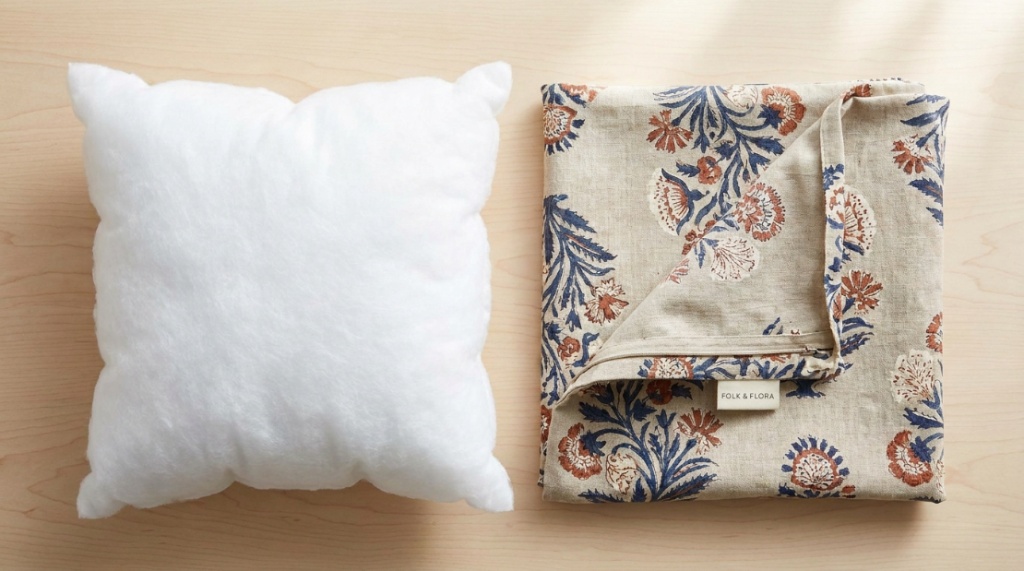
You found the perfect throw pillow cover online—beautiful fabric, ideal pattern—but it arrives looking flat and sad. Or maybe you bought a set of decorative pillows, and after a few months of lounging, they’ve lost their bounce. The culprit isn’t the cover; it’s what’s inside. Understanding the difference between a pillow insert and a pillow cover is the first step toward building a plush, inviting space. While they work as a team, they serve entirely different purposes, and knowing how to pair them properly is the secret to achieving that “magazine-worthy” sofa. This guide breaks down the distinctions, helps you identify what you actually need, and tackles the sizing dilemmas that confuse most shoppers.
Key Takeaways
- A pillow cover is the decorative outer shell, while a pillow insert is the functional inner cushion that gives the pillow its shape, loft, and support.
- Inserts are typically sold by finished size, meaning you often need to size up by 1–2 inches to fill a cover properly for a plump look.
- Material matters: Down and down-alternative inserts offer different firmness levels, breathability, and maintenance requirements.
- Proper insert care—fluffing, airing, and occasional spot cleaning—significantly extends the life of both the filler and your decorative covers.
- Buying an insert and cover as a set ensures perfect compatibility, but separates allow for higher customization and seasonal updating.
Defining the Basics: What Is a Pillow Insert?
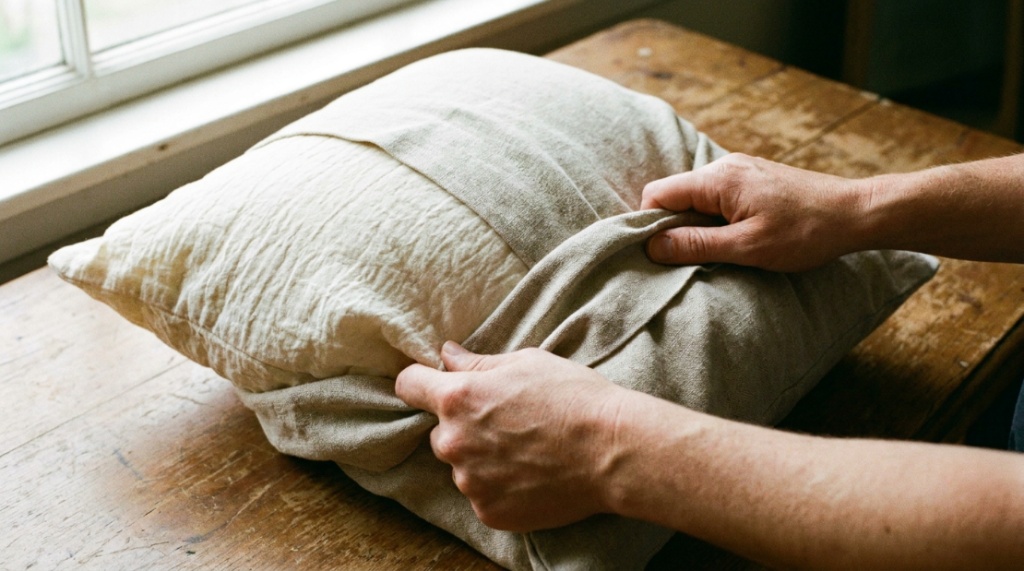
A pillow insert is the structural core of any decorative pillow. It consists of an inner shell—typically made of cotton, polyester, or a similar fabric—that is filled with a specific material. This material could range from natural down feathers to synthetic polyester fiberfill or even shredded memory foam. The insert is entirely functional; it is rarely seen or touched by the user. Instead, it serves two primary purposes: providing the underlying shape (square, lumbar, or round) and delivering the comfort and support level you feel when you lean against the pillow.
Inserts are not usually decorative. They lack patterns, vibrant colors, or premium outer fabrics because they are meant to be covered. When shopping, the quality of an insert is determined by the material of the inner shell (which should prevent feathers or fiberfill from poking through) and the quality of the fill itself.
Defining the Basics: What Is a Pillow Cover?
A pillow cover is the removable, design-forward layer that sits over the top of the insert. It defines the aesthetic of your room, introducing texture, pattern, and color to your sofa, bed, or reading chair. Covers come in a dizzying array of materials, including linen, velvet, cotton, silk, and woven performance fabrics. Unlike a standard bed pillowcase, which usually features an envelope closure on one end, decorative pillow covers often feature a hidden zipper or a decorative flap closure at the center of the back panel.
The primary purpose of the cover is aesthetic protection. The cover takes the daily wear and tear—dust, spills, pet hair, and friction—so that the insert remains clean and functional. The main benefit of a cover is its washability; you can toss most covers in the washing machine, while you rarely want to submerge an entire down insert in water.
The Critical Difference: Cover Size vs. Insert Size
One of the most confusing elements in the pillow insert vs pillow cover debate is sizing. If you buy a 20×20 inch cover for your sofa, it seems logical to buy a 20-inch insert. However, this often results in a deflated, sloppy look.
Insert measurements are based on the size of the insert itself, not the cover it will occupy. Because an insert expands through fluffing, it requires less physical fabric space than the cover. If you use matching sizes, the cover will fit loosely because the insert will not stretch the seams to their limit.
Why You Should Size Up Your Insert
To achieve a professionally decorated look, you should generally purchase an insert that is 1 to 2 inches larger than the intended cover. For example, for a 20×20 inch cover, you should usually purchase a 22×22 inch insert. This is often referred to as the “oversized” method. The larger insert forces the cover to be taut. This creates a solid, structured look that holds its shape during casual seating and eliminates the “lumpy” or “unfilled” appearance that plagues mismatched sets.
The 2-Inch Rule Exception
While the 2-inch rule is the standard for a firm look, there are exceptions. If you are using a very delicate fabric, such as a vintage silk or a loosely woven wool, a 2-inch insert might stretch the seams or cause the fabric to pill due to continuous friction. In these cases, sizing up by only 1 inch is advisable. Conversely, if you prefer a very soft, slouchy aesthetic, you can stick to a matching size, but you must know that the pillow will likely bend in the middle when leaned on.
Insert Fill Materials: Down vs. Down-Alternative
The material inside the insert dictates your comfort and the pillow’s maintenance requirements. Choosing between synthetic and natural fibers is the biggest decision here.
Down Inserts
Down inserts are filled with the soft, fluffy undercoating of ducks or geese. They are famous for their luxurious feel and remarkable compressibility. A high-quality down insert offers a “sink-in” softness that molds perfectly to your body, making it ideal for reading nooks and movie nights. However, down requires a bit more care. You must fluff it daily to maintain its volume. It also has a tendency to lose its spring over time and flatten under constant heavy weight.
Down-Alternative Inserts
Down-alternative inserts use high-loft polyester fibers to mimic the feel of down. These are excellent choices for households with allergies, as they do not harbor dust mites the same way natural feathers can. They are also significantly more affordable and easier to clean. Modern down-alternative fibers are often silicone-coated, allowing them to replicate the softness of natural down while retaining their shape better. If you prefer a mattress-like support for your back, a dense down-alternative insert usually provides more structure than a loose down fill, For ultimate neck support and customizable loft, check out our guide on the memory foam adjustable pillow.
The Purpose of a Cover: Protection and Aesthetics
Covers are often bought for aesthetic reasons, but their functional role (protection) is just as important as their beauty. Because inserting and removing them is easy (usually via a zipper), they allow you to change the vibe of a room on a budget.
Instead of purchasing a brand-new pillow whenever you redecorate, you can purchase just a cover. This allows you to switch from a crisp white linen look in the summer to a rich, dark velvet look in the winter without having to store bulky pillows. This is the primary advantage of buying covers and inserts separately—flexibility. Having a standard stock of inserts in neutral white or gray means you can store them permanently on your bed or sofa and simply swap out the covers when the mood strikes.
Zipper Placement and Closure Types
When looking at covers, the closure mechanism matters for both aesthetics and functionality. The three primary closure types you will encounter are the center seam (Envelope), the hidden zipper, and the exposed zipper.
For a clean, modern look, a hidden zipper on the bottom or side edge is superior. It stays out of sight but allows for easy insertion. The envelope closure (a flap overlapping in the middle back) is common on farmhouse-style and budget-friendly covers. While it looks nice, these overlapping flaps can create a slight bulge in the middle of the pillow if the insert is too large.
A high-quality cover will have a zipper that is comparable in length to the side of the pillow. A zipper that is too short makes it difficult to insert a fluffy oversized insert without catching the fabric, leading to frustration and potential tears along the seam.
Commercial Investigation: Buying as a Set vs. Separately
As a shopper, you must decide whether to purchase a matching set or build your own combination. Many retailers now sell “Pillow Sets” that include the cover and the insert together. This takes the guesswork out of sizing and ensures a perfect fit. A set is ideal for beginners because it removes the risk of purchasing the wrong dimensions.
However, buying them separately is often beneficial for several practical reasons. First, shipping an insert and a cover together often results in a higher shipping cost due to the weight of the insert. Second, separates allow you to customize the firmness of the insert based on the specific cover fabric. For instance, you might want a firmer polyester insert in a structured armchair but a softer down insert in a bed pillow cover.
Beware of “Fluff and Sell” Packaging
When you buy an insert packaged separately, it will likely arrive vacuum-sealed or tightly compressed in a plastic bag. Do not panic if the insert looks flat and wrinkled immediately after opening. This compression is common for shipping efficiency. You will need to place the insert in a dryer on the “Air Fluff” or “No Heat” setting for 10–15 minutes to break up the fibers clumped during shipping. If you skip this step and put the compressed insert directly into the cover, you will end up with a lumpy pillow that may never fully expand.
Avoiding Common Mistakes
Many people make avoidable mistakes when mixing and matching these two items. Here are the most frequent issues and how to solve them:
The Slipcase Mistake: Some users leave the insert in its plastic shipping bag thinking it acts as a protector. This is wrong; it crinkles and prevents needed airflow. Always remove the insert from its bag.
Washing the Insert: While covers need frequent washing, inserts are not designed for the washing machine. Washing a down insert can ruin its loft and cause clumping, while washing a polyester insert may cause it to deform. Spills usually stop at the cover. If the insert is stained, spot-clean it with a damp cloth and gentle soap, ensuring it dries completely.
Forgetting to Fluff: Inserts require movement. Daily fluffing redistributes the fill. This is not just a habit for aesthetics; it prevents the fibers from fusing together and breaking down over time.
How to Measure and Select the Right Insert
Selecting an insert involves measuring your cover carefully. Many covers are labeled slightly smaller than their actual size or stretch when zipped. Follow this method for the best results:
- Measure the cover flat: Lay the cover on a table and measure width and height to the nearest inch.
- Add two inches: Take that base measurement and add two inches. If your cover measures 18×18, look for a 20×20 insert.
- Check the manufacturer’s guide: Some premium insert brands have specific sizing suggestions on their tags. Trusting the brand’s “cover size” recommendation is always safer than a generic internet rule.
- Consider lumbar shapes: For lumbar covers, the rule changes slightly. A lumbar cover that is 12×20 might best fit a 12×20 insert, but if you want a sausage-like roll effect, you might need a custom 13×22 insert.
The Financial Aspect and Durability
Cost is a significant differentiator between buying inserts and covers. Generally, you should allocate a larger portion of your budget to the insert if you value comfort, and a larger portion to the cover if you value style. If you are sitting on a hard wooden bench or using the pillow for a decorative headboard, a cheaper fiberfill insert is fine. But if you plan to nap on the couch, investing in a high-quality down-alternative insert will provide better relaxation.
Regarding durability, the cover is the sacrificial layer. It experiences sun fading, zipper snags, and spills. A well-constructed insert, however, should last for years—up to 10 for high-end polyester coils or down. If you notice that your insert is losing its spring, airing it out in the sun for a few hours can help revive it. Sunlight naturally deodorizes and expands the fibers.
Frequently Asked Questions
Can I use a standard bed pillow as a decorative insert?
Technically yes, but it is not recommended. Standard bed pillows are typically sized at 20×26 or 20×28 inches, which is larger than standard square throw pillows. A bed pillow is also usually softer and less structured, leading to a wrinkled look. If you are in a pinch, you can fold a bed pillow in half to fit a square cover, but this creates an uneven bulge.
Is a feather insert better than a polyester insert?
“Better” depends on your use case. Feather (down) inserts are softer, more luxurious, and last longer with proper care. Polyester (down-alternative) inserts are easier to maintain, cheaper, and hypoallergenic. If you have allergies or live in a humid climate where feathers might mildew, polyester is the safer, more functional choice.
Why does my pillow look flat even though I sized up?
Your insert likely needs to be fluffed. Remove it from the cover and massage it. If it is made of down, it may have absorbed moisture from the air and clumped. Place it in the dryer on a no-heat cycle with a pair of tennis balls or dryer balls to break up the clumps and redistribute the feathers.
How often should I replace the insert inside a decorative cover?
Inserts do not have a strict expiration date. Quality hollow-core fiber inserts can last 3 to 5 years before losing significant firmness. Premium down inserts can last a decade or more. If the insert loses its ability to hold up the cover without sagging, it is time for a replacement.
Should I remove cushion inserts before washing the cover?
Yes, absolutely. Never put an insert into a washing machine. Always unzip the cover and remove the insert. Wash the cover on a gentle cycle with cold water and let it air dry or tumble dry on low. This protects the structure of the insert and prevents excessive wear on the zipper mechanism.
Conclusion
Understanding the dynamic between the insert and the cover is the key to avoiding those deflated, saggy pillows that ruin a room’s ambiance. The insert is the engine of the pillow—providing support, volume, and durability—while the cover is the personality—offering style, texture, and washable protection. By ignoring the urge to purchase matching sizes and instead selecting an insert that is larger than your intended cover, you guarantee a crisp, plump finished product. Remember to prioritize washability on the cover and structural integrity on the insert. With this knowledge, you can confidently shop for separates or sets, ensuring every corner of your home projects comfort and polished style for years to come.