


Waking up with a stiff lower back after a relaxing evening with a book is a frustrating paradox. The problem isn’t the reading itself—it’s the lack of support. Most sofas and beds offer no lumbar stability, forcing your spine into an unnatural curve. The solution lies in a specialized reading pillow for back pain that provides the structural stability your back craves. But with dozens of shapes, fills, and fabrics on the market, choosing the wrong one can worsen your pain. This guide cuts through the noise to help you select the perfect ergonomic companion for your reading nook, ensuring comfort without compromising your spinal health.
What Makes a Reading Pillow Different from a Regular Bed Pillow?
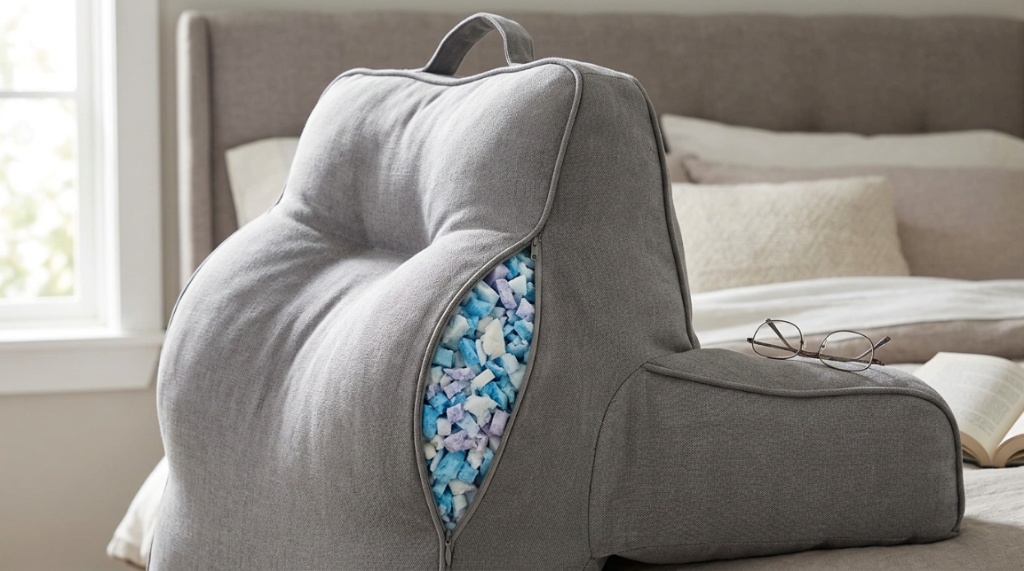
A reading pillow is specifically engineered with an upright backrest, armrests, and often a headrest to support you in a semi-seated position. Unlike a standard sleep pillow that cradles your head on a flat surface, these are designed to hold your entire torso upright while you read, watch TV, or use a laptop without straining your back muscles.
Regular pillows are designed for supine or side sleeping positions, offering support to the head and neck alone. A reading pillow, conversely, must be firm enough to hold your body weight without collapsing yet contour to your spine. The internal fills—be it memory foam, shredded foam, or polyester—determine the level of firmness and pressure relief. The vertical design shares the structural load of your upper body, preventing the slouching that leads to back pain.
Key Structural Differences You Must Know
Look for a high backrest that reaches your neck, angled between 30 and 45 degrees. This angle mimics the natural recline of a car seat, reducing intra-discal pressure in the lumbar region.
The Role of Armrests in Postural Support
Armrests are not just a luxury; they anchor your shoulders and prevent you from leaning sideways. High armrests reduce tension in the trapezius muscles, which often compensate during long reading sessions.
Why Fill Material Dictates Pressure Relief
Memory foam conforms to your exact shape, distributing weight evenly. Shredded foam offers adjustability—you can remove or add fill to customize the loft. Polyester is lighter but tends to lose shape quickly, failing to provide long-term support.
How Does a Reading Pillow Actually Alleviate Back Pain?
It directly promotes a neutral spine posture. When you sit on a flat couch, your hips and knees are at a 90-degree angle, forcing your lumbar spine to flex. A reading pillow tilts your pelvis forward slightly, preserving the natural “S” curve of your back and alleviating pressure on the vertebral discs.
By raising your head by a specific height, it also corrects eye-level alignment. When your head drops forward to look at a book, the cervical spine bears up to 60 pounds of extra pressure. A proper reading pillow holds your head up, aligning the ears over the shoulders and reducing the strain on both the neck and the lower back muscles that try to compensate.
The Biomechanics of a Reclined Posture
Studies in ergonomics show that a 100-110 degree angle between the thighs and torso is optimal for sitting. Reading pillows are engineered to achieve this angle, unlike flat surfaces that force a 90-degree bend.
How it Reduces Muscle Fatigue
Your back muscles continuously work to hold you upright. The pillow’s foam absorbs the static load, allowing your muscles to relax. This process reduces the buildup of lactic acid, which is the primary cause of post-reading discomfort.
Comparison with Traditional Backrests
Simple backrests have a flat profile. Reading pillows are curved to match the thoracic kyphosis (the outward curve of the midback), providing contact across a larger surface area. This reduces pressure points that cause sciatica and numbness.
Which Filling Material Is Best for Chronic Back Pain?
High-density memory foam is the absolute best choice for chronic back pain because it offers unmatched pressure relief and durability. It responds to body heat, becoming pliable around your exact contours, ensuring no voids or gaps remain between the pillow and your spine.
Shredded memory foam is a close second, providing similar comfort with the added benefit of adjustability. If you prefer firmer support, you can add more foam. Conversely, if the pillow is too high, you can remove fill. This customization is critical because back pain severity varies widely between individuals.
Why Polyester Fails to Deliver Relief
Polyester and other hollow-fiber fills are too soft. They compress completely under your body weight, offering only thin cushioning without structural support. These fills also develop lumps within three months, creating uneven pressure that can trigger muscle spasms.
Gel-Infused Foam vs. Traditional Foam
Gel-infused memory foam is ideal if you sleep hot. The gel pulls heat away from your body, preventing the foam from turning into a sweat trap. However, traditional viscoelastic foam offers slightly better conformability for deep pressure relief.
| Material | Support Level | Durability | Best For |
|---|---|---|---|
| High-Density Memory Foam | Excellent | Excellent | Severe back pain & long-term use |
| Shredded Foam | Good | Good | Customizable loft & neck support |
| Polyester | Poor | Poor | Occasional, short reading sessions |
| Buckwheat Hulls | Very Firm | Excellent | People needing intense lumbar rigidity |
How High Should a Reading Pillow Be for Proper Spine Alignment?
The height should extend from your lower back up to the base of your skull—typically measuring 24 to 30 inches from the base to the top. The key is to ensure the pillow’s top edge rests at your head’s occipital bone, not your neck, to maintain a neutral cervical curve.
If the pillow is too low, you will still tilt your head forward. If it is too high, it will push your neck into excessive flexion, causing stiffness in the occiput. For most adults, a height of 26 inches is sufficient, but taller individuals (over 6 feet) should seek models at least 30 inches high.
Measuring Your Torso Length
Sit against a wall with your back straight. Measure from the base of your spine (where it touches the floor when you sit) to the base of your skull. This measurement represents the minimum pillow height you require.
The Importance of the Backrest Angle
Don’t just look at height; look at the recline angle. A pillow that is too vertical (90 degrees) will cause hip flexor tightening. A pillow that is too low (less than 30 degrees) adds pressure to the tailbone. Look for an ergonomic angle between 110 and 120 degrees when measured from the seat base.
Adjustable Neck Roll Benefits
Many premium pillows come with a detached or built-in neck roll. This extra cylindrical cushion fills the gap between your cervical spine and the pillow surface, preventing your head from dropping backward.
Can a Reading Pillow Replace a Proper Ergonomic Chair?
No, a reading pillow cannot fully replace an ergonomic chair for work, but it can be superior for leisure reading sessions lasting under two hours. Ergonomic chairs have adjustable lumbar support and armrests that move vertically, which is impossible in a static pillow.
However, for activities like reading in bed or on a sofa that lacks back support, a reading pillow is arguably better than a chair because it allows for a relaxed, open hip angle. The chair’s rigid backrest forces an upright posture, which is tiring for prolonged leisure. The pillow encourages reclining, which offloads the spine completely.
When to Use a Pillow Instead of a Chair
Use a pillow when you are at home, watching television, or reading for pleasure. Use a chair when you are at a desk or working on a computer with a screen that requires precise eye-height alignment.
Limitations of Pillow Support
Pillows lack the locking mechanisms of chairs. You can still slouch in a reading pillow if you slide down. To prevent this, always place a wedge or folded blanket under your knees to keep your hips elevated.
Combining Both for Maximum Relief
If you use a reading pillow on your bed, place it against the headboard with a firm mattress. If the mattress is too soft, the pillow will sink, negating its support. Place the pillow directly on the floor next to a sofa for a firmer surface.
What Size and Shape Should You Choose for Specific Pain Types?
For lower back pain, choose a wide base (at least 24 inches) to accommodate your shoulders fully. For upper back and neck pain, choose a shape that includes an extended headrest flap or “wings” that fold out. For sciatica, a shape with a removable lumbar cushion is crucial.
Large, overstuffed pillows with armrests are best for total body support. Compact, wedge-style pillows are better for lower back pain only but do not support the head. If you have osteoporosis or rib pain, choose a softer, rounded shape that reduces direct pressure on the thoracic spine.
Reading Pillow Shapes Overview
- Classic Backrest: Straight or slightly curved, ideal for extra-large body frames.
- Wingback: Features tall padded side wings for head support, great for dozing off.
- Wedge: Triangle shape, primarily for lower back elevation, not for full-back support.
- Adjustable: Has a split back with a hinge, allowing a 90 to 120 degree angle adjustment.
Selecting Based on Pain Location
If your pain is central lumbar (lower back), opt for a pillow with a thick, bulging lower half. If your pain is in the rhomboids (between shoulder blades), look for a pillow that has a slight curve to wrap around your posterior ribcage.
Body Weight Considerations
For heavier individuals (over 200 lbs), a standard foam pillow compresses too much. Look for pillows with high-density foam rated at least 3.5 pounds per cubic foot (PCF). This density withstands higher weight without losing sinking depth control.
How Do You Test the Firmness of a Reading Pillow Before Buying?
If buying online, you cannot test it physically, but you can use the “push test” on the specs. Push down on the product images—real stores allow this. You want the foam to compress about 1 inch but spring back with resistance, not feel like a soft sponge.
Read reviews specifically for the term “too soft” or “lacks support.” If multiple reviewers with back pain mention that it sinks, avoid it. Also, look for a bed-in-a-box style that lists the ILD (Indentation Load Deflection) rating. For back pain, look for an ILD of 12 to 16, while a soft pillow has an ILD of 8 or lower.
Understanding Foam Density Ratings
Density (mass/volume) tells you how long it lasts. Density above 2.5 lbs is good; above 4 lbs is premium. Firmness (ILD) tells you how hard it feels. High ILD (firm) supports your heavy torso better.
The Washable Cover Factor
A non-removable cover means you cannot clean sweat and skin oils, leading to degradation of the foam. Always choose a pillow with a zipper cover made of breathable cotton or performance fabric like CoolMax.
Returnable Trial Periods
Many reputable brands offer 100-night trials. Use this period seriously. Sleep on the pillow for 14 nights before judging, as your muscles need time to adjust to a new postural position.
What Is the Ideal Thickness for a Backrest Pillow?
The ideal thickness (depth from front to back) is 6 to 8 inches. This thickness provides enough support to prevent your back from rounding but not so much that you feel you are being pushed forward. If the pillow is only 4 inches thick, it will compact against the headboard and offer minimal support.
Thicker pillows (8-10 inches) are beneficial for heavy individuals or those who sleep against a soft headboard that sinks. However, an overly thick pillow (12 inches) can push your hips forward, resulting in an excessive curve in the lower back (hyperlordosis). Always measure the depth of your sofa or headboard against the pillow’s thickness.
Determining the Right Depth for Your Furniture
Place the pillow against your intended support surface. Slide your hand behind the pillow’s base; if it fits tightly with no space, the thickness is adequate to fill the gap.
Why Thinner Pillows Cause Shoulder Hunching
When a pillow is too thin, your body sinks until your shoulders hit the hard furniture, causing a hunched shoulder posture. This compresses the cervical spine and can cause headaches.
Layering Thin Pillows
If you already have a thin pillow, do not stack two thin ones—they will slide apart, creating a pressure point. Instead, sew two sheets together to create a pocket that holds them in place, maintaining a unified height.
When Should You Replace Your Reading Pillow?
Replace your reading pillow every 2 to 3 years, depending on usage. If you read nightly, the foam loses its restoration capacity by year two. A telltale sign is when it becomes impossible to fluff it back to its original shape after sleeping on it.
If you wake up with worse back pain than before you bought it, this indicates the foam has a permanent bathtub-shaped dip. This dip causes your spine to conform to the hollow, removing the benefits of the contoured shape. Also, replace if you see yellowing stains that indicate bacteria growth or if the zipper breaks frequently, shifting the cover off the foam.
Signs of Foam Degradation
- Visible indentations that don’t expand within 5 minutes.
- Dry, powdery texture on the foam edges (hydrolysis).
- A distinct, sour smell coming from the padding.
Prolonging the Lifespan with Proper Care
Do not put a memory foam reading pillow in the washing machine. Spot clean it with a damp cloth and mild detergent. Always air dry completely before putting the cover back on to prevent mold growth.
Extending Support with Toppers
Consider using a 1-inch high-density egg crate foam topper on top of an old pillow. This can add 6 months of extra comfort if the pillow is not wholly flattened but just slightly firmer than you prefer.
Can a Reading Pillow Help with Post-Surgical Recovery?
Yes, specifically for abdominal surgeries (like C-sections) or spinal procedures, a reading pillow offers a stable resting platform that reduces the strain of getting in and out of bed. However, it should be used only with physician approval, as movement restrictions vary.
The angled design helps you sit up without engaging your abdominal core, which is critical after surgery. The armrests provide a lever to push yourself up, reducing pressure on the surgical site. Yet, post-surgical care requires that the pillow have a removable cover that you can sterilize to prevent infection.
Why Armrests Are Crucial Post-Surgery
After abdominal surgery, coughing or laughing requires immediate right-angle support. Armrests give your hands a place to brace, protecting the incision from sudden jolting movements.
Cleaning and Sanitation Protocols
Use a waterproof barrier between you and the pillow if you have wounds. Wipe the barrier with isopropyl alcohol daily. Do not expose the foam to excess moisture.
Consulting Your Physical Therapist
Always bring the pillow to your physical therapy session. Ask them to assess whether the specific angle of the pillow aligns with your prescribed movement restrictions. A wrong angle can cause a slipped disc post-operation.
Many users find that the specific structural cushioning of a top-rated reading pillow for back pain becomes an essential recovery tool, but professional guidance remains paramount.
How to Break In a New Reading Pillow for Immediate Relief
Upon receiving your pillow, do not use it right away. Remove it from the vacuum-sealed compression and let it rest for 24 hours. During this time, knead the foam surfaces to spread air pockets evenly, preventing local hard spots that cause discomfort.
On the first night, place a 1-inch thick towel over the top. This reduces the height slightly, making it easier to adapt. After 3 days, remove the towel to allow full contact. It takes up to 7 days for your body to acclimate to the new standard posture; don’t judge it in the first 24 hours.
The Compression Release Process
Open the zipper on the cover and fluff the shredded foam inside. If it’s a solid block or memory foam, let it expand on a flat surface for the required time listed in the manual—often up to 72 hours for denser models.
First-Week Usage Guidelines
Only use the pillow for 30-minute sessions for the first couple of days. Extend it by 15 minutes each day. This allows your muscles to develop endurance without overwhelming them, avoiding a sore morning after.
Adjusting to Lower Back Contact
Some users feel a bulge at the lumbar area initially. This is designed alignment, not a defect. Press your lower back firmly into the curve. If the pressure feels like a bruise, the lumbar support is too aggressive; revert to the towel layering method until you build tolerance.
Frequently Asked Questions
Is a reading pillow worth it for back pain?
Yes. A quality reading pillow promotes a neutral spinal posture, which directly reduces the strain on lumbar discs and paraspinal muscles compared to leaning loosely on a couch or headboard.
Can a reading pillow cause back pain?
Yes, if the pillow is too tall or too thick, it can hyperextend your back, or if it’s too soft, it can cause slouching. A pillow that is not well-matched to your body size will worsen pain.
How do I know if my pillow is too high?
If your chin protrudes forward and your shoulders rise up towards your ears, causing neck pinching within 10 minutes of use, the pillow is too high. You need an adjustment in the headrest height.
Can I sleep on a reading pillow overnight?
You can, but only if it is adjustable to a nearly flat angle. A standard 45-degree angle is not suitable for overnight because it restricts hip movement and can cause hip ischemia or leg numbness.
What is the best angle for a reading pillow?
For reading, a 110 to 120 degree angle between your thighs and torso is best. This angle is similar to sitting in a recliner, minimizing pressure on the sacrum.
Can a reading pillow help with pregnancy back pain?
Yes, a reading pillow with a plush, rounded design supports the abdominal weight and reduces lordosis (excessive lower back curve). Always place a small pillow behind your knees to prevent hyperlordosis.
Are hanging armrests better than fixed ones?
Fixed armrests offer continuous support. Hanging armrests that are not attached to the main body tend to shift and don’t firmly anchor your shoulders, which is less effective.