
An air conditioning unit running perfectly should not make much noise and should be similar to background noise. If an air conditioning unit starts to make a noise it has probably been trying to tell you something. Please see below to find out what it might be.
Rattling
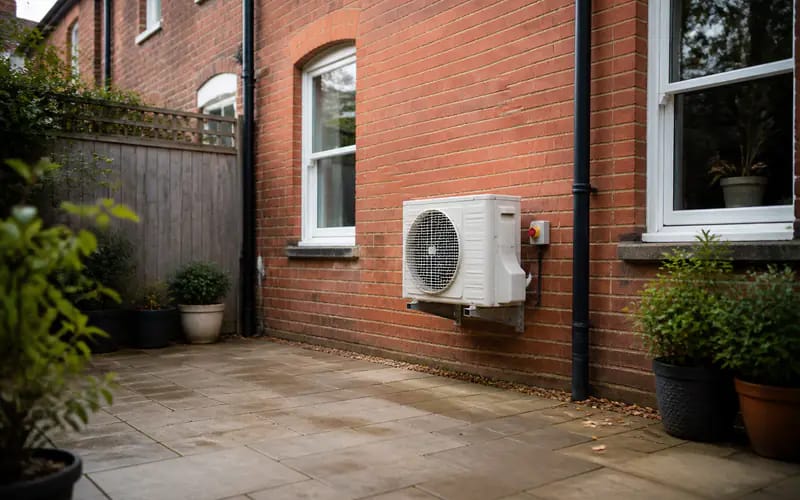
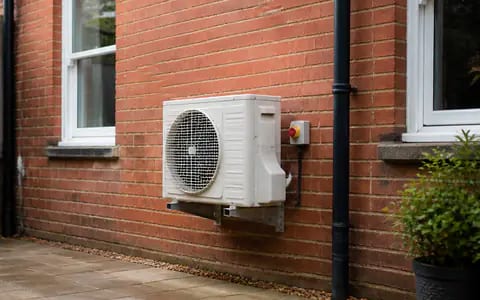
The noise of rattling can often be a mechanical noise rather than an electrical noise. It is usually the easiest to diagnose. Start by checking the outdoor unit. Make sure all the panels are securely fixed. Check all the screws and make sure they are tightened up. Also check the fan guard for any stray leaves or twigs. Once you have switch off the unit at the mains, check the casing and the fan blades for any signs of looseness. If any parts look to be loose then they will need to be secured. There may be a loose part inside the casing that you cannot see. It is best to get a qualified engineer to investigate further for you.
Buzzing
A buzzing sound almost always indicates a fault with something electrical. A failing capacitor, a worn contactor or a loose connection in the wiring can all cause a buzzing sound, sometimes accompanied by the unit not starting or switching off. If you are confident that there are no external influences causing the noise (e.g. a loose cable cover), then it is safe to switch off the system at the main isolator and call for an engineer to attend and complete any necessary repairs before use.
Hissing
Hissing sounds from your air conditioning system can sometimes indicate a serious fault, i.e. refrigerant escape. This is something that requires legally restricted refrigerant handling and can be very costly to put right. If your air conditioning system hiss’s and appears to lose cooling then it is strongly recommended that you do not attempt to investigate the matter further and that you contact a qualified engineer for air conditioning Gloucester to attend to the matter as soon as possible. Remember, once the compressor has been damaged by low refrigerant then it is likely to cost a lot more to replace than repair the initial cause of the low refrigerant.
Clicking
Normal air conditioning operation involves a relay switching the system on and off at start-up and shut-down as dictated by the thermostat. In most cases a relay will click once when switching the compressor on and off but this is usually accepted as normal operation. However, occasional clicking apart from start-up and shut-down is not normal, and repeated rapid clicking which prevents the unit from running is most likely to be a control board failure or relay sticking.
Whistling or Whining
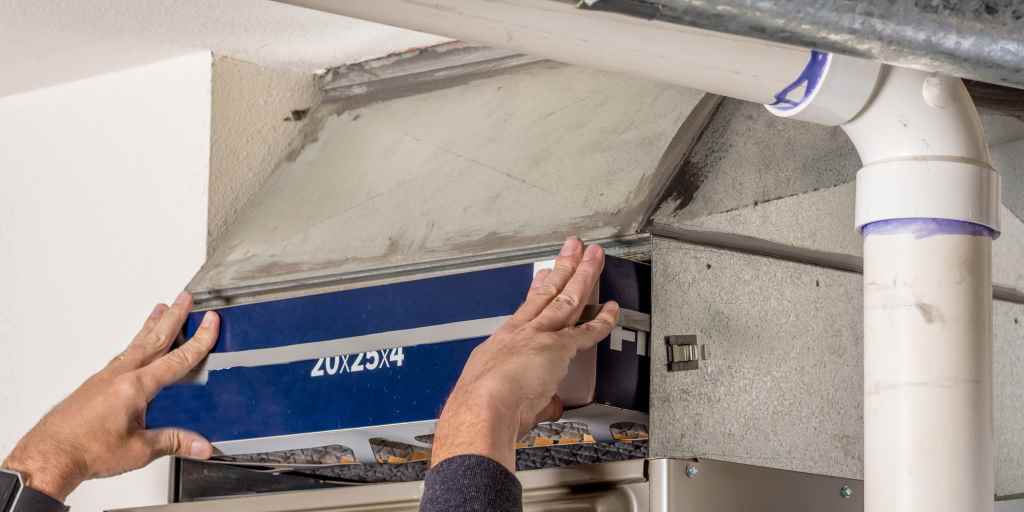
A strained fan motor bearing can produce a high pitched whistle noise and is something that can be costly to replace should it fail. The most common cause of such a noise, however, is airflow passing through a blocked air filter. Simple to check and to replace as required, it is something that should be cleaned or replaced every few months anyway. Note that bearing failure on the fan motor is easily preventable by proper maintenance. See also Ace Comfort Cooling.
Gurgling or Dripping
Gurgling and dripping noises generally indicate that something within your system is flowing that shouldn’t be. A common cause is blockage to the condensate drain on the indoor unit of your air conditioning system. Water that collects within the system must be drained outside of the building. Where this has become blocked, water will begin to leak from the indoor unit. If you find such a blockage, you can clear it yourself but be careful not to create any further mess. If however, the noise persists after such clearance, the problem may be that your system has a low refrigerant charge and refrigerant is sloshing about within the pipes and coils. This would be a job for a qualified air conditioning engineer.
Grinding or Squealing
Grinding or squealing sounds are often caused by old fan motor bearings or worn belt(s) on systems that are equipped with belts. While this type of damage can occur suddenly, more often than not, such noises get louder and occur more frequently over time. As with any work to heating and cooling systems, registered engineers should be used for the work to ensure any moving parts are handled correctly and the system can be re-balanced as required.
Banging on Start-Up
Loose compressor mounts can cause a banging noise on start-up. The rubber feet of the compressor may have worked loose over time or the bolts that hold the compressor in place may have come loose. Ductwork can also make banging noises on start-up as metal ductwork expands as it warms up. However, the ductwork will normally return to its original shape within a few minutes. A banging noise of this type should be checked as soon as possible to prevent any damage to the unit.
If you are unsure as to whether or not you need to look into a noise that your Air Conditioning system is making then remember that a persistently noisy commercial unit is not pleasant for staff and can become a major issue that could have been sorted out weeks earlier had the problem been detected and fixed when the noise first occurred. Often repairing a loose panel or a failed capacitor is less costly than repairing a damaged Compressor or Motor.
Every noise your air conditioning system makes is indicative of it working less efficiently than it could do. This may mean it’s working harder than it needs to in respect of cleaning out the air it’s pumping around, or that there’s some mechanical part wearing. Air conditioning systems that aren’t running efficiently cost a lot to run. See also the Energy Saving Trust’s page on energy-efficient cooling systems to compare repair with a new, energy-efficient system of appropriate size.
For any noise that hasn’t been covered above, it’s worth obtaining a quote for any repairs from the air conditioning specialists at Ace Comfort Cooling.