
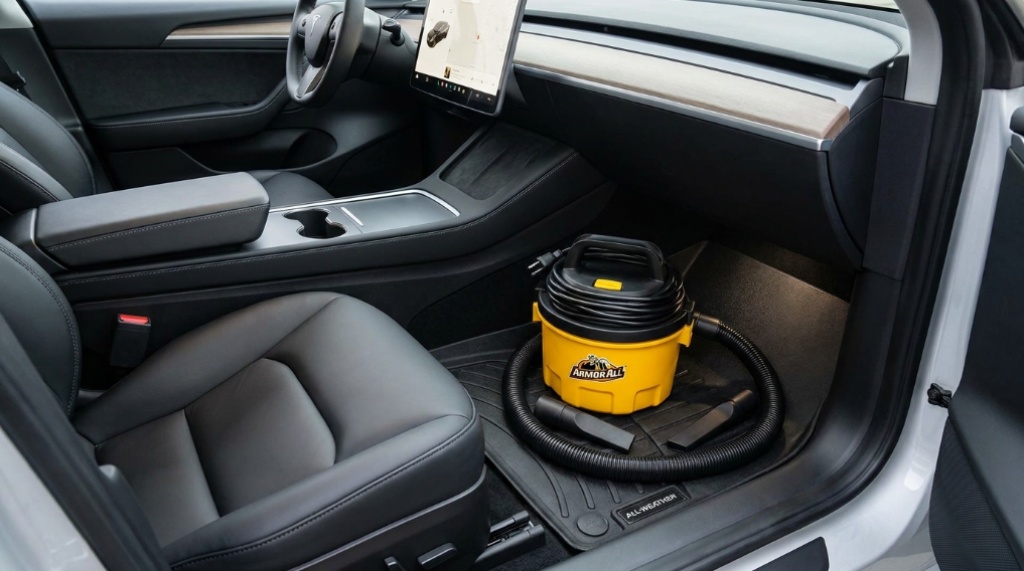
If you need a vacuum that can swallow spilled cereal, workshop dust, and a puddle of water without switching tools, a compact wet dry vacuum is the practical answer — and the Armor All 2 Peak HP model is one of the more affordable options in that category. But small wet dry vacuums come with real trade-offs that marketing photos rarely show. This article breaks down five genuine pros and five genuine cons, explains who should buy one, and helps you decide whether this class of vacuum actually fits how you clean.
Key Takeaways
- A compact wet dry vacuum handles both dry debris and liquid spills, which makes it useful in garages, cars, basements, and laundry areas where a standard upright can’t go.
- The biggest strengths are portability, versatility, and price; the biggest weaknesses are small tank capacity, limited suction compared with full-size shop vacuums, and filtering that needs regular attention.
- Tank size and hose length matter more than peak horsepower numbers for most household jobs.
- Compact wet dry vacuums are a poor fit for large renovations, continuous water extraction, or heavy daily commercial use.
- If you mainly vacuum carpets and hard floors, a standard canister or upright vacuum with a HEPA filter will usually serve you better.
What a Compact Wet Dry Vacuum Actually Is
A compact wet dry vacuum is a small, portable vacuum designed to pick up both dry debris and liquids using the same unit, typically by switching or removing a filter. Most models in this class, including the Armor All 2 Peak HP wet dry vac, sit in the 1–4 gallon range, weigh under 15 pounds, and run on standard household power. They are not shop vacuums shrunk down for marketing — they are a distinct category built around convenience and storage rather than maximum power.
This matters because the design priorities of a compact unit shape everything about how it performs. A smaller motor, a shorter hose, and a smaller tank are the direct trade-offs for something you can carry with one hand and store on a shelf. If you understand that trade-off up front, you’ll be far less disappointed than someone who buys a compact unit expecting full-size shop vacuum performance. For a closer look at how one specific model in this category is set up, the Armor All 2 Peak HP compact wet dry vacuum is a useful reference point because it represents the typical specifications, accessories, and limitations of the class.
Pros: Where Compact Wet Dry Vacuums Genuinely Win

1. True Wet and Dry Versatility in One Unit
The core advantage is obvious but underrated: you don’t need two tools. A compact wet dry vacuum can pull dust and debris off a garage floor, then switch to liquid pickup for a spilled bucket or a leaking washing machine hose. That dual capability is genuinely hard to replicate with any other single household appliance.
2. Portability That Changes How Often You Actually Use It
Light weight and a carry handle mean the vacuum goes where the mess is, not the other way around. That’s a bigger deal than it sounds. A heavy shop vacuum tends to stay in the garage. A compact unit gets carried to the car, the stairs, the basement, and the patio. Convenience directly affects how often a tool gets used.
3. Low Upfront Cost
Compact wet dry vacuums sit at the affordable end of the vacuum market. For households that need occasional spill and debris cleanup rather than daily heavy-duty work, the price-to-capability ratio is solid. You’re paying for flexibility, not raw power.
4. Easy Storage in Small Spaces
Apartments, townhouses, and homes without a dedicated utility closet benefit most. A compact unit fits on a shelf or in a corner where a full-size shop vacuum would be a permanent obstacle.
5. Simple Maintenance and Accessory Availability
Most compact wet dry vacuums use straightforward filter and hose designs that are easy to clean and replace. Crevice tools, utility nozzles, and extension wands are commonly included, which broadens what one small machine can do.
Cons: The Trade-Offs You Shouldn’t Ignore
1. Small Tank Capacity Means Frequent Emptying
This is the most common frustration. A smaller tank fills quickly during wet pickup, and once it’s full, suction drops noticeably. For a single spill, that’s fine. For a flooded basement, you’ll be emptying the tank constantly, which gets old fast.
2. Lower Suction Than Full-Size Shop Vacuums
Peak horsepower ratings can be misleading. A “2 peak HP” compact unit delivers noticeably less sustained airflow and lift than a larger shop vacuum. That difference shows up most when you’re picking up heavier debris or trying to extract water from carpet.
3. Filters Require Attention and Cost Money Over Time
Wet and dry operation usually requires different filter setups. Forgetting to switch filters — or using a wet filter for dry debris — leads to clogging, reduced suction, and premature filter replacement. Replacement filters are an ongoing cost that buyers often overlook.
4. Not Built for Continuous or Commercial Use
Compact motors and housings aren’t designed for hours of nonstop operation. If you run a detailing business, a small contracting operation, or need to clean up after major renovation work regularly, a compact unit will burn out or underperform. This category is for occasional and household tasks.
5. Limited Reach and Hose Length
Shorter hoses and cords mean you’ll reposition the vacuum more often. In large rooms or outdoor areas, that constant moving adds time and friction. It’s a minor annoyance for small jobs and a real drawback for big ones.
Who Should Buy One — and Who Shouldn’t
Compact wet dry vacuums make sense for car owners who want to clean interiors and trunks, homeowners dealing with occasional spills and small DIY projects, renters in apartments with limited storage, and anyone who wants one tool for light wet and dry messes. They also work well for pet owners cleaning up accidents and debris in tight spaces.
They are a poor fit for anyone who regularly tackles large water damage, full-home renovation debris, or continuous commercial cleaning. In those cases, spending more on a full-size shop vacuum or a dedicated carpet extractor will save both time and frustration. If your main cleaning need is routine carpet and hard-floor vacuuming rather than spill and debris cleanup, a standard vacuum is the better investment.
How to Choose the Right Compact Wet Dry Vacuum
Focus on the specifications that actually affect daily use, not the ones that look impressive on the box.
- Tank size: Larger tanks mean fewer stops. For mostly dry debris, 2–4 gallons is comfortable. For frequent water pickup, go as large as your storage allows.
- Suction and airflow: Treat peak horsepower as a rough guide only. Airflow and water lift (measured in inches of water lift) are more meaningful for wet pickup, but only when a manufacturer clearly publishes them.
- Filter type: Confirm whether the unit ships with a washable filter, a cartridge filter, or both, and check replacement availability and cost.
- Hose length and diameter: A longer, wider hose improves reach and reduces clogging. Short thin hoses are the most common source of frustration.
- Blower function: Many wet dry vacuums can blow air out through the hose. This is a genuinely useful feature for clearing leaves, dust, and debris from tight spaces.
- Drain port: For wet pickup, a bottom drain makes emptying far less messy than tipping the tank.
Practical Tips for Getting the Most From a Compact Unit
Empty the tank before it’s completely full. Suction drops sharply as liquid approaches the top, and overflow can push water into the motor housing. Switch or clean filters between wet and dry use. Rinse and dry the tank after wet pickup to prevent odor and mold. Store the hose loosely coiled rather than tightly bent, which extends its life. And keep a spare filter on hand so a clogged one doesn’t sideline the vacuum mid-job,if you need a model specifically for indoor cleaning tasks as well, check out this handheld vacuum for carpeted stairs efficiently.
Frequently Asked Questions
Can a compact wet dry vacuum pick up water and dry debris at the same time?
No. Wet and dry pickup generally require different filter configurations. You need to switch to the appropriate filter before changing from dry debris to liquid pickup, or you risk clogging the filter and damaging the motor.
Is a compact wet dry vacuum powerful enough for car detailing?
For interior vacuuming, crumbs, sand, and small spills, yes. For extracting water from upholstery or handling heavy detailing workloads, a larger unit with stronger airflow is a better choice.
How often should I replace the filter?
It depends on use and debris type. Replace or thoroughly clean the filter when suction noticeably drops, when it becomes visibly clogged, or after wet pickup if the filter got soaked. Washable filters last longer if cleaned regularly.
Can I use a compact wet dry vacuum on carpets?
You can pick up surface debris from carpet, but these units are not designed for deep carpet cleaning or water extraction from carpet padding. For that, use a dedicated carpet cleaner or extractor.
Are compact wet dry vacuums loud?
They tend to be louder than standard household vacuums because they rely on high airflow through a small housing. Hearing protection is worth considering for extended use.
What’s the main difference between a compact wet dry vacuum and a shop vacuum?
Size, capacity, and power. Shop vacuums have larger tanks, longer hoses, and stronger motors for heavy-duty and continuous work. Compact units trade those capabilities for portability, storage convenience, and lower cost.
Conclusion
A compact wet dry vacuum is a smart purchase when your cleaning needs are occasional, varied, and space-constrained. The Armor All 2 Peak HP model and similar units deliver real value for car cleanup, small spills, and light DIY debris. They fall short on large jobs, continuous use, and heavy water extraction. Match the tool to the task: if you need portability and versatility, this category works well. If you need raw power and capacity, save up for a full-size shop vacuum instead.