
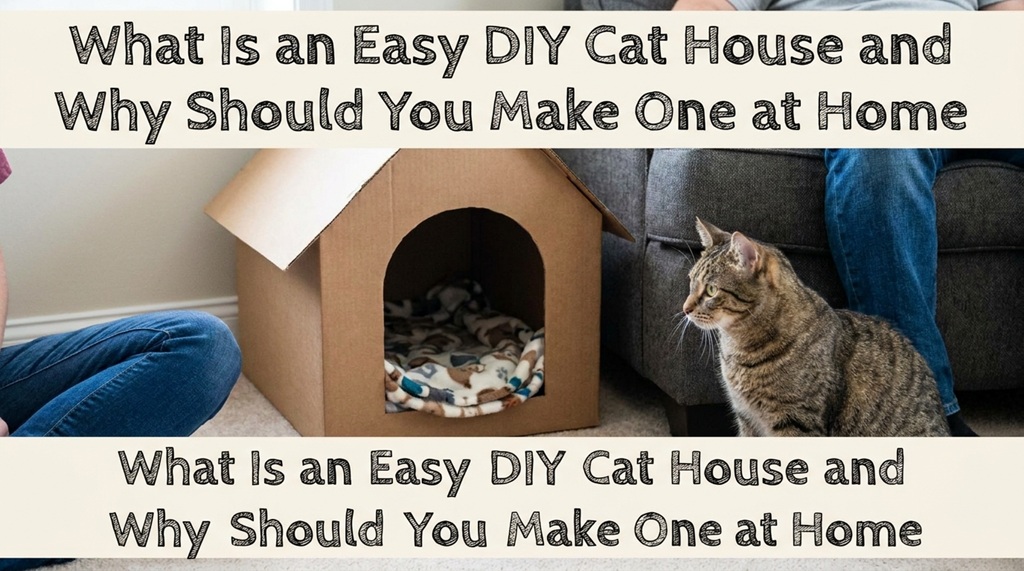
An easy DIY cat house is a simple shelter made from affordable materials like cardboard boxes, wood crates, or storage bins that provides a safe, warm, and private resting space for your cat without requiring advanced tools or carpentry skills.
If your cat keeps hiding under beds, jumping into laundry baskets, or scratching furniture corners, it may be searching for a secure personal shelter. Many indoor cats lack a designated territory zone, which increases stress and unwanted behavior. Store-bought cat houses can be expensive, bulky, or poorly suited to your space. The good news is you can build a comfortable cat house at home in under an hour using everyday materials.
A DIY cat house improves feline comfort, supports territorial instincts, reduces anxiety, and protects furniture—all while costing far less than commercial alternatives. With a few household supplies and the step-by-step ideas below, you can create a safe retreat your cat will actually use.
What Materials Do You Need to Make an Easy DIY Cat House at Home?
You can build a simple cat house using common household items like cardboard boxes, plastic containers, old T-shirts, cushions, and basic cutting tools.
Most beginner-friendly cat house projects rely on materials already available at home. These materials help control cost while allowing customization based on your cat’s size and sleeping habits.
- Cardboard boxes (double-layered preferred)
- Plastic storage bins
- Old T-shirts or sweaters
- Soft cushions or towels
- Non-toxic glue or tape
- Utility knife or scissors
- Wood crates (optional upgrade)
- Corrugated sheets for insulation
According to feline behavior research published by veterinary welfare organizations, enclosed resting spaces help reduce stress markers in cats by providing a predictable environment. That makes even a simple cardboard shelter surprisingly effective.
How Do You Make a Simple Cardboard Box Cat House Step by Step?
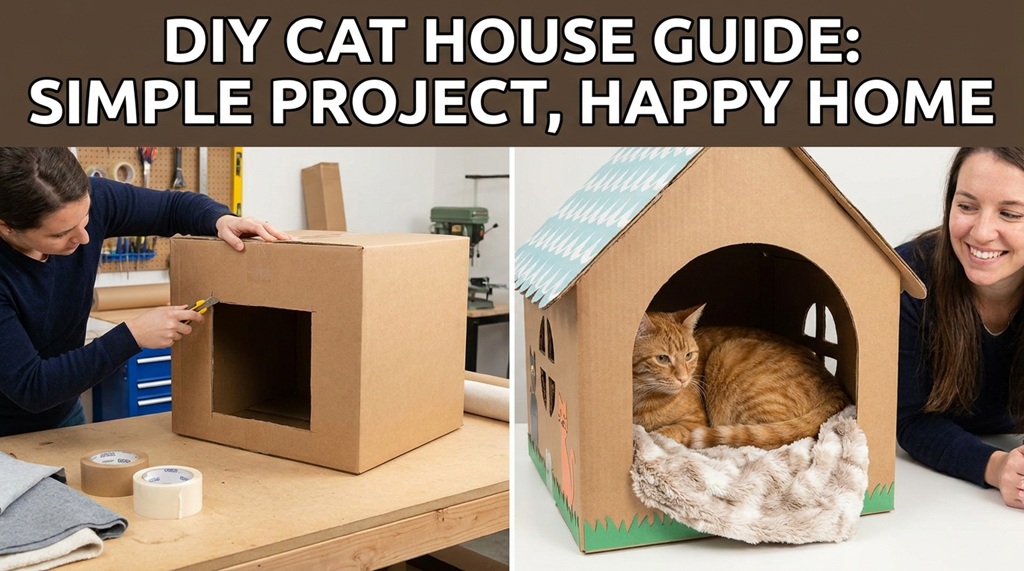
You can create a cardboard cat house by cutting an entrance hole, reinforcing edges, adding padding, and placing the structure in a quiet corner.
This is the easiest and most popular DIY cat house method because cardboard retains warmth and absorbs scent, helping cats feel secure faster.
Step-by-Step Instructions
- Select a sturdy box slightly larger than your cat
- Cut a circular doorway about 6–8 inches wide
- Reinforce edges with tape for durability
- Add a folded towel or cushion inside
- Place the house in a quiet, low-traffic area
For extra insulation, layer two cardboard panels together before assembly. This improves warmth retention during colder months.
Can You Make a DIY Cat House Without Cardboard?
Yes, you can build a cat house using storage bins, wooden crates, laundry baskets, or fabric-covered frames if cardboard is unavailable.
Alternative materials often last longer and resist moisture better than cardboard. Plastic containers are especially useful in humid climates or outdoor balconies.
Popular Alternatives
- Plastic storage container with doorway cutout
- Wooden fruit crate with cushion insert
- Laundry basket turned sideways
- Side table converted into a cat shelter
- Foam board panel enclosure
Plastic-bin houses can last over three times longer than cardboard structures in high-humidity environments.
How Do You Make a No-Tool DIY Cat House Using a T-Shirt?
You can create a soft cat tent by stretching a T-shirt over a box frame or hanger structure to form a breathable enclosed shelter.
This design is lightweight, washable, and ideal for kittens or small indoor cats.
Steps to Build a T-Shirt Cat Tent
- Take a medium cardboard box or wire frame
- Slide a T-shirt over the structure
- Align the neck hole as the entrance
- Secure sleeves underneath the base
- Add a cushion inside
The fabric retains familiar household scent, encouraging faster acceptance by cautious cats.
What Size Should a DIY Cat House Be for Maximum Comfort?
A DIY cat house should be large enough for your cat to turn around comfortably but small enough to retain body heat and create a sense of security.
Oversized shelters reduce warmth retention and may feel unsafe to cats that prefer enclosed environments.
| Cat Weight | Recommended House Width | Entrance Diameter |
|---|---|---|
| 2–4 kg | 12–14 inches | 5–6 inches |
| 4–6 kg | 14–16 inches | 6–7 inches |
| 6–8 kg | 16–18 inches | 7–8 inches |
Proper sizing improves acceptance rates because cats naturally prefer snug resting spaces.
Where Should You Place a DIY Cat House Inside Your Home?
The best location for a cat house is a quiet corner away from foot traffic but close enough to family activity for social comfort.
Cats balance privacy with observation. Positioning matters as much as construction quality.
Ideal Placement Locations
- Near a window with indirect sunlight
- Beside a sofa corner
- Under a side table
- Next to a radiator in winter
- Inside a bedroom corner
A 2021 feline environment study found cats rest up to 40% longer in sheltered elevated or corner spaces compared to open-floor beds.
How Can You Make a DIY Cat House Warmer for Winter?
You can insulate a cat house using layered cardboard, fleece blankets, thermal pads, or foam sheets to retain body heat.
Temperature control is essential, especially for kittens, senior cats, and short-haired breeds.
Effective Insulation Methods
- Add double cardboard wall layers
- Use fleece or wool lining
- Insert reflective thermal sheet
- Raise house slightly above floor level
- Seal small air gaps with tape
Even basic insulation can increase internal warmth by several degrees compared to uncovered boxes.
How Do You Make a Stylish DIY Cat House That Matches Home Decor?
You can customize a cat house using fabric wraps, paint-safe panels, wooden crates, or furniture integration to blend with interior design.
Aesthetic improvements encourage owners to keep cat shelters in visible living areas instead of hiding them away.
Simple Decoration Ideas
- Wrap exterior with linen fabric
- Add peel-and-stick wallpaper
- Use neutral acrylic paint
- Attach wooden nameplate
- Place house inside shelving units
Modern integrated cat furniture designs are increasingly popular in compact apartments where space efficiency matters.
Is It Safe to Make an Outdoor DIY Cat House at Home?
Yes, an outdoor cat house is safe if built with waterproof materials, elevated flooring, and proper insulation against wind and rain.
Outdoor shelters protect stray or community cats and are widely recommended by animal welfare groups.
Outdoor Safety Requirements
- Use plastic bins instead of cardboard
- Elevate structure above ground
- Add waterproof roof cover
- Use straw instead of blankets
- Face entrance away from wind direction
Straw remains dry longer than fabric and prevents heat loss in humid environments.
Why Do Some Cats Ignore New DIY Cat Houses?
Cats may ignore new shelters if placement is poor, scent is unfamiliar, or the entrance size feels unsafe.
Acceptance depends on environmental familiarity more than structure quality.
How to Encourage Use
- Add your cat’s blanket inside
- Place treats near entrance
- Use catnip sparingly
- Avoid noisy locations
- Allow exploration time
Most cats begin using new shelters within two to five days when scent familiarity is introduced.
How Much Does It Cost to Build an Easy DIY Cat House?
A basic DIY cat house typically costs between $0 and $10 if made from recycled household materials.
This makes DIY shelters far more affordable than store-bought options.
| Type | Average Cost | Durability |
|---|---|---|
| Cardboard House | $0–$5 | Low |
| Plastic Bin House | $5–$12 | Medium |
| Wooden Crate House | $10–$20 | High |
Even the most durable DIY versions cost significantly less than commercial cat condos.
Conclusion: What Is the Easiest Way to Make a Comfortable DIY Cat House Today?
The easiest way to make a comfortable DIY cat house is to modify a sturdy cardboard box with an entrance opening, soft bedding, and proper placement in a quiet corner of your home.
DIY cat houses solve a real problem: cats need safe personal territory, and many homes lack dedicated shelter spaces. With simple materials like boxes, storage bins, or fabric covers, you can create a warm resting zone in under an hour. Proper sizing, insulation, and placement dramatically increase usage rates.
Start with a cardboard version today, observe how your cat responds, then upgrade materials later if needed. A small shelter can improve sleep quality, reduce stress behaviors, and protect furniture from scratching. Try one of the step-by-step ideas above and customize it to match your home and your cat’s personality.
FAQ: Easy DIY Cat House Questions People Also Ask
What is the easiest DIY cat house for beginners?
The easiest DIY cat house for beginners is a cardboard box shelter with a circular doorway and soft bedding placed inside a quiet indoor corner.
Do cats prefer open beds or enclosed houses?
Most cats prefer enclosed houses because they provide warmth, privacy, and a stronger sense of security than open beds.
Can I make a cat house without tools?
Yes, you can make a no-tool cat house using a T-shirt stretched over a box or laundry basket frame.
How big should a cat house entrance be?
A cat house entrance should measure 5–8 inches wide depending on your cat’s body size.
Is cardboard safe for cats?
Cardboard is safe for cats because it retains warmth, absorbs scent, and contains no harmful chemicals when clean and dry.
Where should I place a cat house indoors?
You should place a cat house in a quiet corner near family activity but away from heavy foot traffic.
How do I make my cat use a new cat house?
You can encourage use by adding familiar bedding, placing treats nearby, and positioning the shelter in a calm location.
Read More Also: What Are the Items for Decorating a House?
Find out: Cozy decoration, know its characteristics