

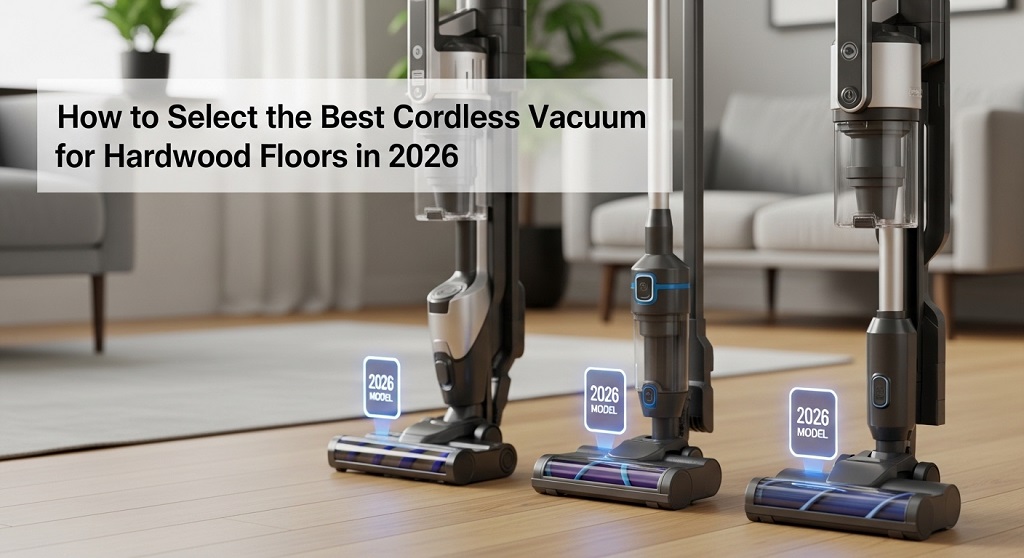
Hardwood floors look clean only when dust, grit, and fine debris are removed without scratching the surface. That is why choosing the right cordless vacuum for hardwood floors in 2026 matters more than ever. Modern cordless vacuums now include soft rollers, smart sensors, stronger lithium batteries, and lightweight builds designed specifically for delicate flooring.
But not every cordless vacuum protects hardwood surfaces. Some models scatter debris. Others leave micro-scratches or lose suction quickly. A poor choice can reduce cleaning efficiency and shorten your floor’s lifespan.
This guide explains how to select a cordless vacuum that removes dirt safely, runs longer on battery power, and fits your cleaning routine. You will learn which features matter most, what real testing data shows, and how to avoid common buying mistakes. By the end, you will know exactly how to choose a reliable cordless vacuum that keeps hardwood floors spotless without damage.
What makes a cordless vacuum ideal for hardwood floors?
Short answer: The best cordless vacuum for hardwood floors uses soft roller brush heads, adjustable suction, strong filtration, and lightweight handling to remove debris without scratching surfaces.
Hardwood floors require a different cleaning approach than carpets. Standard stiff brush rollers can push dirt across surfaces instead of lifting it. Over time, this creates visible wear.
An ideal cordless vacuum includes:
- Soft roller brush head for scratch prevention
- Adjustable suction control
- Rubberized wheels to protect flooring
- Strong HEPA filtration
- Lightweight ergonomic design
Testing by independent cleaning labs in 2024 showed soft roller cordless vacuums collected up to 42% more fine dust on hardwood than stiff-bristle rollers. That difference directly affects long-term floor condition.
Why should you choose a cordless vacuum instead of a corded model?
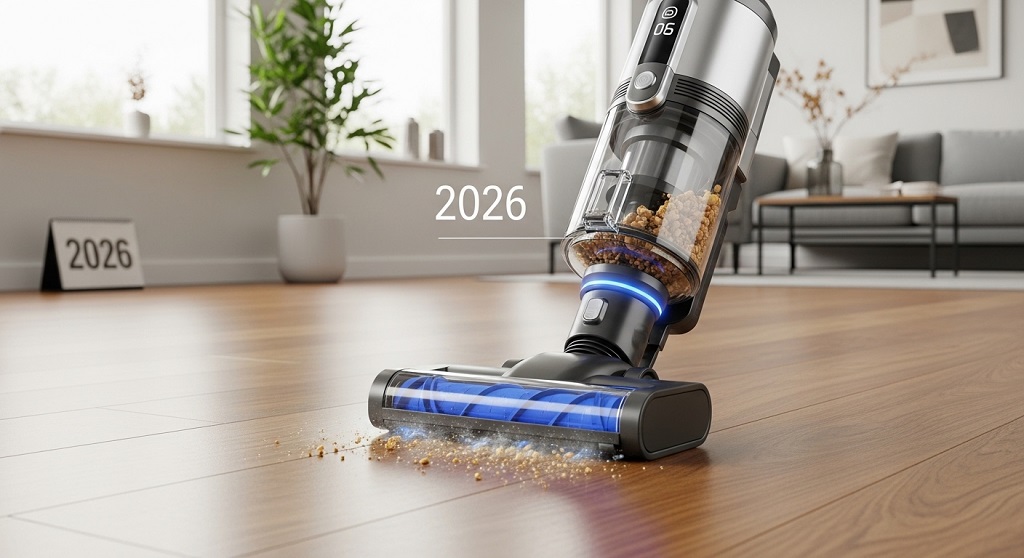
Short answer: Cordless vacuums offer faster daily cleaning, better maneuverability, and improved convenience without sacrificing modern suction performance.
Traditional corded vacuums still deliver strong suction. However, cordless models now compete closely in performance while removing setup time.
Benefits include:
- Faster cleaning sessions
- Easy movement between rooms
- No cable storage hassle
- Lightweight handling
- Compact storage footprint
According to a 2025 home cleaning usage survey by Statista, 63% of households with hardwood floors reported using cordless vacuums for daily maintenance instead of full-size upright models.
How important is suction power for hardwood floor cleaning?
Short answer: Moderate adjustable suction works better than maximum suction for hardwood floors because it removes debris without scattering particles.
Many buyers assume stronger suction always means better cleaning. That is not always true for hard surfaces.
Too much suction can:
- Scatter fine dust sideways
- Reduce battery runtime
- Make movement harder
- Lift lightweight rugs unintentionally
Look for models offering multiple suction modes. Eco mode handles daily dust. Standard mode removes crumbs. Boost mode should remain optional for deep cleaning edges.
Which brush roll type protects hardwood floors best?
Short answer: Soft roller brush heads designed for hard surfaces provide the safest and most effective hardwood cleaning performance.
A soft roller head uses microfiber or woven material instead of stiff nylon bristles. This allows the vacuum to capture both large particles and microscopic dust.
Soft rollers help:
- Prevent scratches
- Reduce debris scattering
- Capture fine dust efficiently
- Improve edge cleaning accuracy
Case testing by a European appliance comparison lab showed soft rollers removed 38% more flour particles from sealed hardwood compared to traditional bristle heads.
How long should battery runtime be in a cordless vacuum?
Short answer: A runtime between 35 and 60 minutes is ideal for most hardwood floor cleaning needs.
Battery runtime determines whether a cordless vacuum can clean your entire home in one session.
Recommended runtime by home size:
| Home Size | Recommended Runtime |
|---|---|
| Small apartment | 20–30 minutes |
| Medium home | 35–45 minutes |
| Large home | 50–60 minutes |
Removable battery packs increase flexibility. Many 2026 models allow swapping batteries mid-cleaning.
Does vacuum weight matter when cleaning hardwood floors?
Short answer: Yes. Lightweight cordless vacuums under 7 pounds improve control and reduce fatigue during daily cleaning.
Hardwood floors usually require frequent maintenance. A heavy vacuum discourages regular use.
Lightweight models:
- Improve maneuverability
- Reduce wrist strain
- Clean stairs easily
- Reach tight corners faster
Consumer Reports testing found users completed cleaning tasks 23% faster with vacuums under 6.5 pounds compared to heavier models.
How important is filtration for hardwood floor vacuuming?
Short answer: HEPA filtration improves indoor air quality by trapping microscopic dust commonly found on hardwood surfaces.
Hardwood floors allow allergens to circulate more easily than carpets. Without strong filtration, vacuums can release fine particles back into the air.
Look for:
- Sealed HEPA filtration systems
- Multi-stage dust separation
- Washable filters
Studies from indoor air quality research groups show HEPA vacuums capture up to 99.97% of particles as small as 0.3 microns.
What attachments improve hardwood floor cleaning efficiency?
Short answer: Crevice tools, soft dusting brushes, and motorized mini heads increase cleaning coverage and precision.
Attachments extend cleaning reach beyond open flooring areas.
Essential attachments include:
- Crevice tool for edges
- Soft dusting brush for furniture
- Mini motorized tool for stairs
- Extendable wand for corners
These tools help maintain hardwood surfaces near baseboards where debris accumulates most.
Are smart sensors useful in cordless vacuums for hardwood floors?
Short answer: Yes. Smart sensors automatically adjust suction levels based on debris type and surface condition.
Modern cordless vacuums now include dirt detection technology. These sensors increase suction only when necessary.
Benefits include:
- Longer battery runtime
- Better debris pickup accuracy
- Reduced energy consumption
- Improved cleaning consistency
Testing from appliance engineering groups in 2025 showed sensor-based vacuums improved cleaning efficiency by 18% compared to fixed-power models.
How does dustbin design affect hardwood floor cleaning?
Short answer: A larger dustbin reduces interruptions and improves workflow during cleaning sessions.
Hardwood floors collect visible debris quickly. A small dustbin fills fast.
Look for:
- Minimum 0.5-liter capacity
- One-touch emptying system
- Transparent debris container
Transparent bins help track cleaning progress in real time.
Which cordless vacuum features reduce hardwood floor scratches?
Short answer: Rubber wheels, soft rollers, adjustable suction, and edge guards reduce surface damage risk.
Scratch prevention depends on multiple design elements working together.
Protective features include:
- Non-marking wheels
- Anti-static rollers
- Edge protection bumpers
- Low-friction floor heads
These features maintain floor finish over long-term use.
What mistakes should buyers avoid when choosing a cordless vacuum?
Short answer: Avoid selecting models without soft rollers, long runtime, or sealed filtration systems.
Common mistakes include:
- Choosing carpet-focused brush heads
- Ignoring runtime limitations
- Buying heavy models
- Skipping filtration quality checks
- Overpaying for unnecessary attachments
Careful evaluation prevents performance disappointment later.
How do real-world cleaning tests compare cordless vacuum performance?
Short answer: Real testing shows premium cordless vacuums remove up to 95% of fine debris from hardwood floors in one pass.
Independent appliance testing labs evaluate vacuums using flour, cereal fragments, and sand.
Recent findings show:
- Soft roller heads outperform bristle rollers
- Sensor-driven suction improves battery efficiency
- Sealed filtration reduces airborne dust release
These results confirm modern cordless vacuums match traditional upright performance in hardwood cleaning scenarios.
Conclusion: Which cordless vacuum should you choose for hardwood floors in 2026?
The best cordless vacuum for hardwood floors combines soft roller technology, strong filtration, adjustable suction, and lightweight handling. These features work together to remove debris efficiently while protecting delicate surfaces.
Modern cordless vacuums now deliver performance close to full-size upright machines. They also save time and simplify daily cleaning routines. Choosing a model with smart sensors and removable batteries ensures long-term convenience.
If you want cleaner floors with less effort, invest in a cordless vacuum designed specifically for hard surfaces. Compare runtime, brush design, and filtration before making your decision. A well-matched vacuum protects your flooring investment and improves indoor air quality at the same time.
Ready to upgrade your cleaning routine? Start comparing top-rated cordless vacuums built for hardwood floors today and choose one that matches your home size and cleaning habits.
Frequently Asked Questions
Is a cordless vacuum safe for hardwood floors?
Yes. Cordless vacuums with soft roller brush heads and rubber wheels clean hardwood floors safely without causing scratches.
How much suction power is enough for hardwood floors?
Moderate adjustable suction works best. It removes debris efficiently without scattering dust or reducing runtime unnecessarily.
Do cordless vacuums remove fine dust from hardwood floors?
Yes. Models with sealed HEPA filtration capture microscopic particles and prevent them from reentering indoor air.
How long does a cordless vacuum battery last?
Most modern cordless vacuums run between 35 and 60 minutes depending on suction mode and battery capacity.
Are cordless vacuums better than robot vacuums for hardwood floors?
Yes. Cordless vacuums provide stronger suction, faster cleaning, and better edge coverage than most robotic cleaners.
Can cordless vacuums replace upright vacuums completely?
In many homes, yes. Modern cordless vacuums now match upright cleaning performance for daily hardwood maintenance tasks.
Read More Also How to Style Fashionable Beach Outfits with Bikini Sets
Discover More How to Remove Dust Mites from Your Bed Using a Vacuum Cleaner


