

A printed t-shirt or workwear item can look great on the first day it is printed but can begin to deteriorate within a few washes. The quality of the print depends on a few simple things that can happen or not happen during the printing process and during the subsequent washing and wear of the item.
What Happens Under The Heat
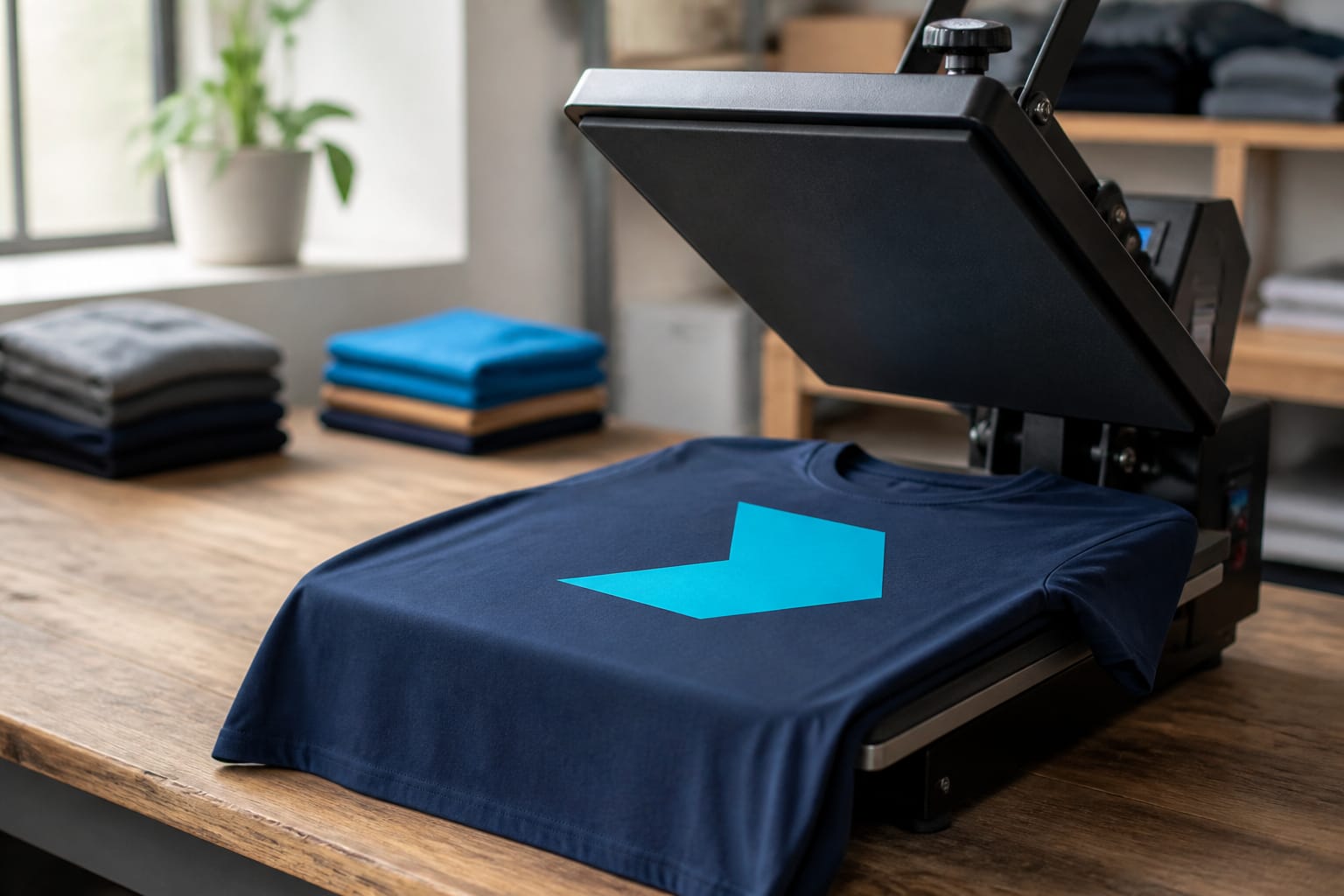
Heat Press Printing is a process where an adhesive is melted in the transfer (whether a cut-out vinyl or a printed transfer) to form a strong bond with the fibres on the surface of the garment. To achieve this, the temperature, pressure and dwell time of the press must be correctly set. If the press temperature is not high enough or the transfer is removed from the press too early, then the adhesive may not melt completely and the print will come off in the first wash.
Fabric Type Makes A Real Difference
Cotton fibres have an open, rough surface, which allows the transfer adhesive to penetrate and bond well with the fibres. In contrast, fibres made of polyester have a smooth surface, and therefore require a lower temperature for pressing to prevent scorching. The dye in the fabric can also migrate and bleed into the print surface, resulting in a light print. Cotton-poly blends fall somewhere in between these two fabrics. The percentage of each fibre type, which UK textile labelling rules require on the label, affects not only the print quality, but also how much the garment will stretch, and how that in turn will affect the printed design.
Washing Habits That Extend Print Life
Turn clothing inside out before washing to prevent print coming into contact with clothing such as zips, buttons etc. Also try to avoid washing at high temperatures (40°C +) as this causes repeated heating and cooling of the print, which can soften the adhesive over time. Also avoid using dry cleaners that use hot water and try to avoid tumble drying printed items on high heat, and where possible allow items to air dry instead.
Why Ironing Directly On A Print Causes Cracking
Drying or cleaning printed garments incorrectly can have devastating effects to printed transfers. Using an iron to smooth out garments could result in melting or distorting of printed transfers within seconds. Similarly, garments that have been printed with transfers and been subjected to dry cleaning could result in the edges of the printed transfer lifting off. To avoid such occurrences it is essential to iron garments inside out or place a layer of cloth between the garment and iron. The care symbols on a garment’s label, such as those set out in the GINETEX care labelling system, show the maximum heat and solvent limits it can take.
Normal Wear Versus A Poor Original Press
Some peeling of the edges of the design or mild surface deterioration after several years of repeated washing is to be expected but will gradually fade. Extreme peeling, cracking and rapid deterioration within the first few washes is caused by an initial print not being properly bonded by the heat press. This is usually down to the press having been set to the wrong temperature or to have had the wrong amount of time spent on it rather than any neglect by the wearer.
Design Size And Placement Affect Flexing
A large print on the front of a t-shirt will flex with every wear. That can cause surface cracking to the vinyl, especially if the design contains a lot of fine lines. By breaking up a large print into smaller details the wearer will flex less and thus the design will last longer. Fine lines in vinyl particularly can lift at the edges of the print. Solid colours tend not to suffer from this in the same way.
Vinyl Versus Screen-Printed Transfers
Transfer vinyl is printed as individual sheets of colour and therefore tend to sit on the garment with a raised edge and can develop cracks over time if flexed a lot. On the other hand, screen printed transfers are made of multiple layers of ink printed onto a release paper before being transferred to the garment by heat. The layers of ink in a screen printed transfer mean that they tend to sit flatter on the garment and withstand repeated washing and flexing, making them ideal for large print runs that will be subject to hard wear and tear. For fine detail such as text, heat transfer vinyl tends to produce the better print in the short term, whereas for large print runs of work wear or team wear, screen printed transfers tend to last longer.
Caring For Bulk Workwear And Teamwear
Bulk printed garments are subject to extreme wash cycles, so it is worth remembering that even the smallest change to print wash care can add months to the life of printed garments. For example, not using fabric softener, washing at a lower temperature and avoiding use of iron directly on prints can extend the life of printed garments. For anyone pressing in-house, the HSE’s guidance for the printing industry is worth reading, and the hot platens of a heat press can cause burns if handled carelessly.
If a well-pressed print is looked after, then prints can last for several years. However, most of a print’s life is decided by the way it is washed.