
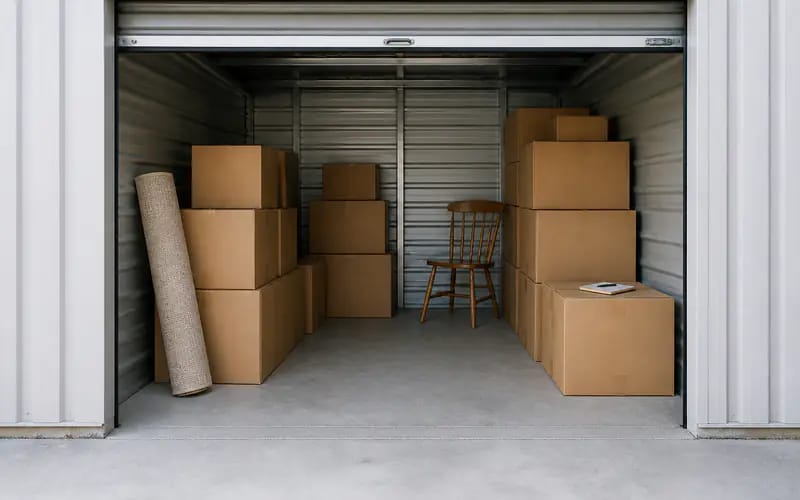
The storage unit fills up quickly, the boxes are locked away and before you know it, months have passed. It’s easy for the items to have slipped your mind, especially as you’re rummaging around for something you’re convinced you brought down there in the first place. It’s a simple task to take a few minutes to make a list of your items before you lock the door for the last time.
Why Bother With a List
Using a proper inventory can save a lot of hassle in the long run. For claims purposes, your insurers will ask for a detailed list of contents and an estimated value for them. A good inventory will also remind you that you already have that new drill you’ve just bought in box 14 of the kitchen.
List Room by Room
Go room by room around your house listing out the items to be stored in each room. So start with the kitchen and then move on to the spare room and the garage listing out all of the items to be stored in each room. This helps to keep a logical listing and also ensures that everything is listed to be stored.
Number and Label Every Box
Label every box with the same number as it has on your list of contents. So box 7 for example contains ‘kitchen: slow cooker, mixing bowls, baking trays’ on the side of the box and ‘7. kitchen: slow cooker, mixing bowls, baking trays’ on your inventory list. This allows you to cross reference your numbered boxes with your written list of contents should you need to look up what is in a particular box when it is in storage.
Note Value and Condition
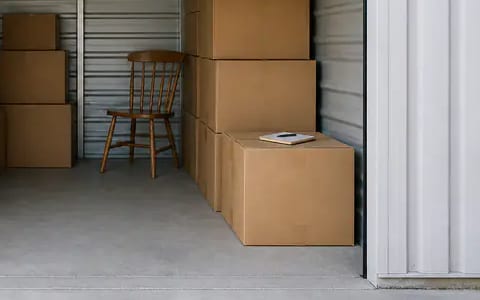
As well as recording what is in storage, it’s also a good idea to note the approximate value of each item and their condition when they were stored. This information is usually required by insurers should you need to make a claim for loss or damage. Government backed service MoneyHelper provide information on how much contents insurance you need and offer a wealth of information on all aspects of money management.
Photograph as You Go
Take a photo of any item that is fragile, personal or of great value as you pack it and include these with your written inventory. A photo of your television for example showing no cracks to the screen, or a photo of your dining table prior to packing it, will serve as evidence of the item’s condition at the time of its storage.
Mark What You’ll Need Again
Not everything in a Self Storage unit will need to be retrieved quickly. Flag up the boxes that have things that you will need again soon such as the seasonal decorations and the spare paperwork. These boxes can be placed near the front of the unit. For those storing in a Self Storage Swindon facility, flagging up these types of boxes in advance will save the most amount of time in the long run.
Keep Three Copies
A single list can be destroyed in one accident, so it’s sensible to keep a copy of the list at home, a further copy in the storage unit and finally an electronic copy such as a photo of the list page or even a spread sheet. The copy at home can get lost in a house move. If you are looking for Self Storage Swindon, see Anchor Self Storage Swindon.
Update It Every Visit
Remember a list is only as useful as the information it contains. Ensure that your list reflects what is in your storage unit, and where, each time you add or remove items. Update your list within a few minutes of each visit and it will still have value when you need to reference it at a later date.
By making a list at the start you can ensure that storing is something that looks after itself later on. So a few minutes of effort at the start can save a lot of problems later.