
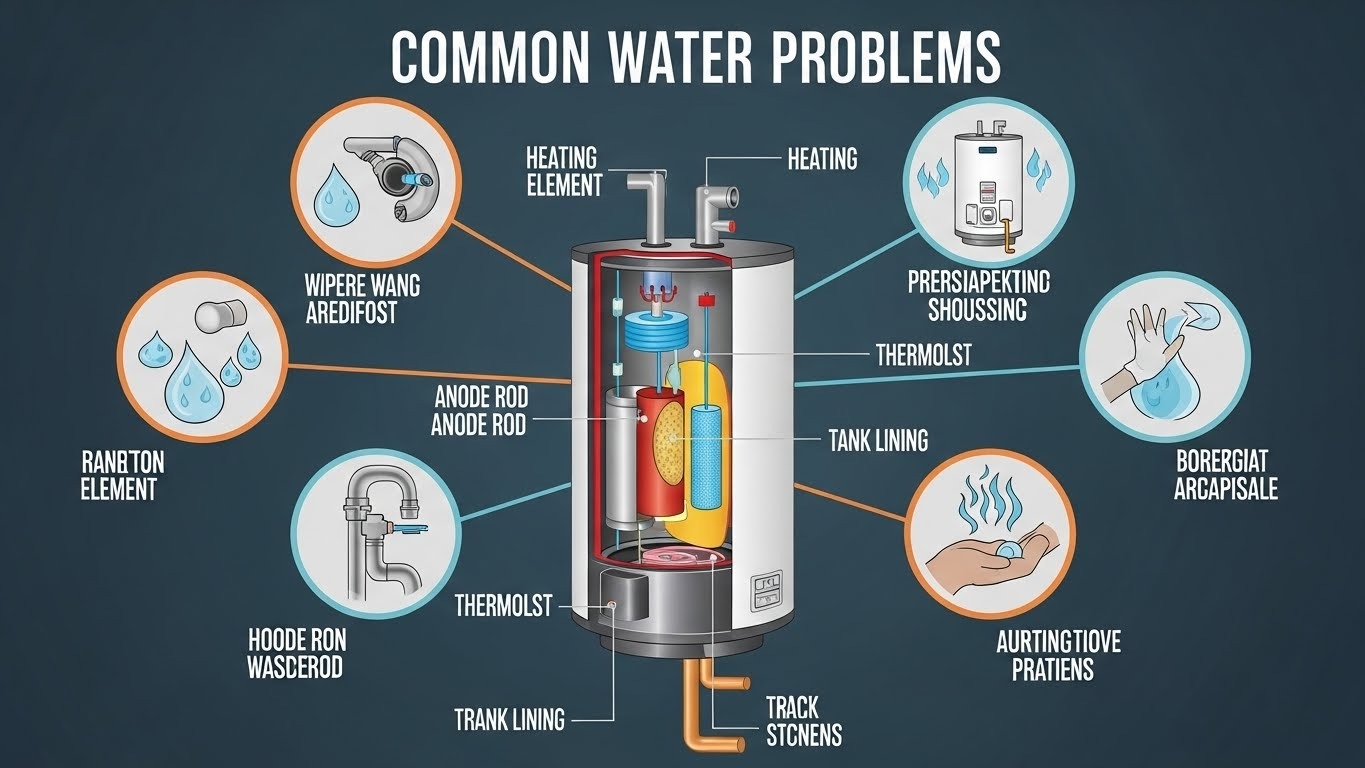
Water heater problems often start small but can quickly turn into expensive emergencies if ignored. From inconsistent hot water to strange noises and leaks, your water heater usually gives warning signs before it fails completely. The challenge is that many homeowners overlook these signs until the system breaks down.
A water heater is one of the most used appliances in your home. It supports daily activities like bathing, cooking, cleaning, and laundry. When it malfunctions, comfort drops instantly. More importantly, untreated common water heater issues can lead to higher energy bills, water damage, or even safety risks.
This guide explains the most common water heater problems homeowners shouldn’t ignore. Each section starts with a clear, direct answer for quick understanding, followed by deeper insights to help you make informed decisions. Whether you’re dealing with a minor heater malfunction or early signs of failure, this article will help you spot issues early and know when to act.
If you want to protect your home, save money, and extend the life of your system, keep reading.
Why Is My Water Heater Not Producing Enough Hot Water?
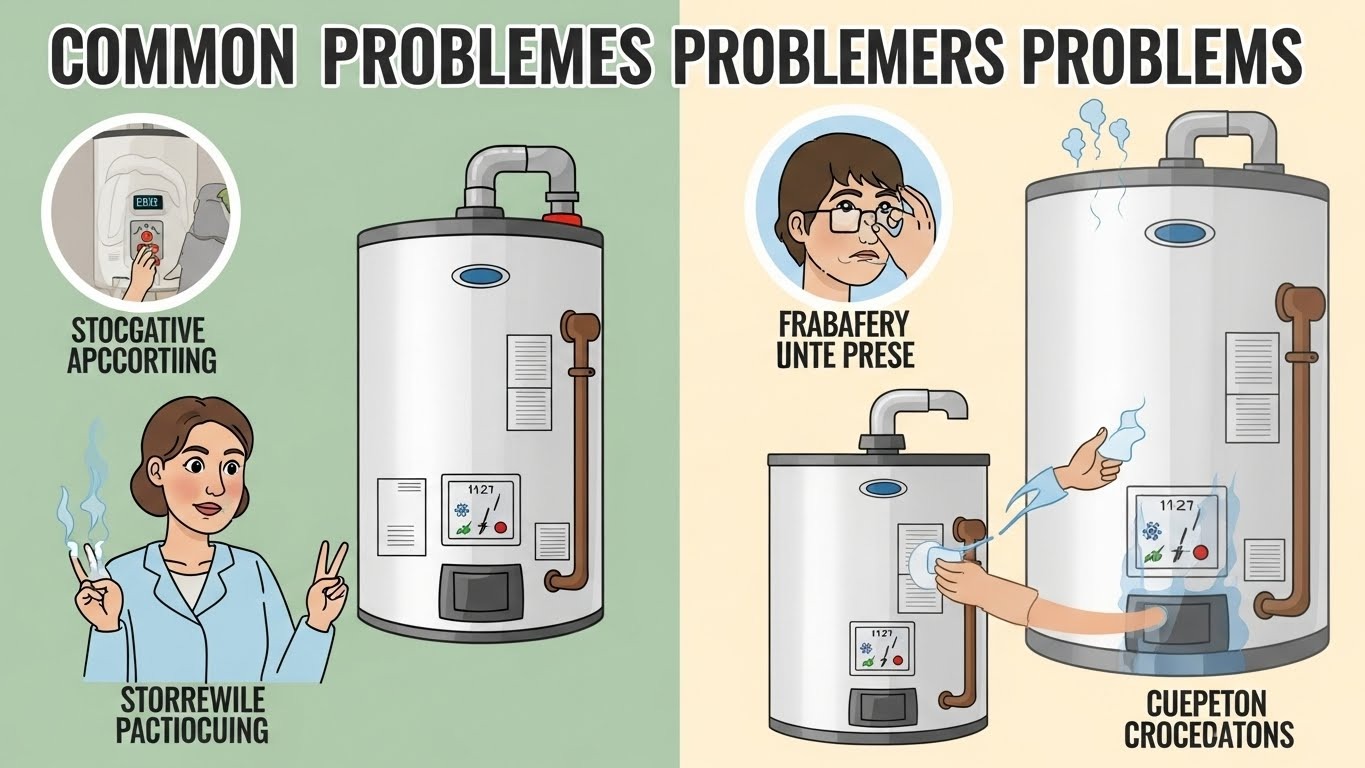
Short answer: Insufficient hot water is usually caused by sediment buildup, thermostat issues, or a failing heating element.
This is one of the most frequent water heater problems homeowners experience. You may notice hot water runs out faster than usual or never gets hot enough.
- Sediment buildup reduces heating efficiency
- Thermostat settings may be too low
- Heating elements may be damaged or worn
- Tank size may be inadequate for household demand
Ignoring this issue forces your heater to work harder, increasing energy consumption and accelerating wear. Early diagnosis can prevent full heater malfunction.
What Causes a Water Heater to Make Rumbling or Popping Noises?
Short answer: Strange noises usually mean sediment has hardened at the bottom of the tank.
Rumbling, popping, or cracking sounds are classic signs of common water heater issues. Minerals in hard water settle over time, creating a barrier between the heating element and the water.
This causes:
- Reduced efficiency
- Overheating of internal components
- Premature tank failure
Flushing the tank annually can significantly reduce this problem. If ignored, sediment buildup may cause irreversible damage.
Why Is My Water Heater Leaking?
Short answer: Leaks can come from loose fittings, valve failure, or internal tank corrosion.
A leaking water heater is a serious problem that should never be ignored. Even small leaks can lead to water damage, mold growth, and structural issues.
Common sources of leaks include:
- Pressure relief valve
- Drain valve
- Inlet and outlet connections
- Corroded tank walls
If the tank itself is leaking, replacement is often the only solution. Delaying action increases the risk of sudden tank rupture.
What Does Discolored or Rusty Hot Water Mean?
Short answer: Rusty water usually indicates corrosion inside the tank or failing anode rods.
Brown, reddish, or cloudy hot water is a clear warning sign. This is one of the most visible water heater problems.
Possible causes include:
- Corroded anode rod
- Rust inside the tank
- Aging plumbing connections
Replacing the anode rod can often extend the life of your heater. Ignoring rusty water usually leads to tank failure.
Why Does My Water Heater Smell Like Rotten Eggs?
Short answer: The smell is caused by bacteria reacting with sulfur and magnesium inside the tank.
This unpleasant odor often points to bacterial growth, especially in homes using well water.
- Bacteria thrive in warm, stagnant water
- Magnesium anode rods can worsen the smell
Professional flushing and rod replacement can eliminate the issue. Left untreated, bacteria can compromise water quality.
Why Is My Water Heater Taking Too Long to Heat Water?
Short answer: Slow heating is commonly caused by failing elements, sediment buildup, or thermostat issues.
If you’re waiting longer for hot water, your system is losing efficiency.
Common reasons include:
- Worn-out heating elements
- Thick sediment layers
- Incorrect thermostat calibration
Delays often indicate early heater malfunction. Addressing them early prevents complete breakdown.
What Does Low Hot Water Pressure Indicate?
Short answer: Low pressure often results from sediment clogging pipes or valves.
Reduced pressure affects showers, sinks, and appliances. This is often linked to long-term neglect.
Flushing the tank and cleaning valves usually restores normal pressure.
Why Is My Water Heater Tripping the Breaker?
Short answer: Electrical water heaters trip breakers due to faulty wiring or failing heating elements.
This issue poses a safety risk. Ignoring it could cause electrical damage or fire hazards.
- Loose wiring
- Shorted heating elements
- Overloaded circuits
Immediate inspection is recommended.
When Do Frequent Repairs Mean Replacement Is Necessary?
Short answer: Frequent breakdowns usually mean your water heater is nearing the end of its lifespan.
Most tanks last 8–12 years. If repairs become frequent, replacement is often more cost-effective.
| Sign | What It Means |
|---|---|
| Repeated leaks | Structural failure |
| Rising energy bills | Efficiency loss |
| Rusty water | Internal corrosion |
How Can Homeowners Prevent Common Water Heater Issues?
Short answer: Regular maintenance is the best way to prevent water heater problems.
- Flush the tank annually
- Check the anode rod every 2–3 years
- Inspect valves and connections
- Schedule professional inspections
Preventive care extends lifespan and improves efficiency.
Why You Should Never Ignore Water Heater Problems
Water heater problems rarely fix themselves. Small issues often signal bigger failures ahead. Ignoring warning signs can lead to water damage, high energy bills, and sudden system breakdowns.
By understanding common water heater issues and acting early, homeowners can save money, protect their property, and avoid emergencies. Regular maintenance, quick repairs, and timely replacement are smart investments.
Call to Action: If your water heater is showing any of these signs, don’t wait. Schedule a professional inspection today to prevent costly damage and restore reliable hot water to your home.
Frequently Asked Questions About Water Heater Problems
What are the most common water heater problems?
The most common issues include no hot water, leaks, strange noises, rusty water, and heater malfunction.
How long does a typical water heater last?
Most water heaters last between 8 and 12 years with proper maintenance.
Is a leaking water heater dangerous?
Yes. Leaks can cause water damage, mold growth, and sudden tank failure.
Why does my hot water smell bad?
Odors are usually caused by bacteria reacting with minerals inside the tank.
Can sediment buildup damage my water heater?
Yes. Sediment reduces efficiency and causes overheating.
When should I replace my water heater instead of repairing it?
If repairs are frequent or the unit is over 10 years old, replacement is often best.
Related Topics: Creative Remodeling Ideas for Modern Living Spaces
Related Topics: Why Neutral Colors Are the Timeless Choice for Home Interiors