
Tampa’s warm climate creates comfort for residents, yet it also creates challenges for homeowners. High humidity levels often exceed 70% during much of the year. In addition, Florida receives significant annual rainfall, which increases moisture exposure around homes. As a result, many property owners experience door alignment problems that seem to appear without warning. Moisture often plays a major role in these issues. Many homeowners also notice door frame cracking and gaps when humidity affects structural materials. Understanding how moisture affects doors helps prevent costly repairs and protects long term home value.
Why Tampa Homes Face More Moisture Problems
Tampa experiences high humidity throughout most of the year. Moist air enters homes through openings, vents, and small structural gaps. Consequently, building materials absorb moisture over time. This process affects wood, drywall, insulation, and door frames. Even newer homes can develop alignment concerns when moisture levels remain elevated.
Frequent rainstorms increase the moisture burden on residential properties. Water often collects around foundations and exterior walls. Therefore, nearby framing materials stay damp for longer periods. This continuous exposure creates conditions that encourage expansion and movement. Eventually, doors may stop closing correctly.
Many homeowners overlook garage areas when checking moisture damage. However, garages often experience significant humidity changes. Property owners who understand how to reframe a garage door can identify structural shifts before major door issues develop. Early detection reduces repair costs and improves long term performance.
How Moisture Affects Door Materials
Wood Expansion and Swelling
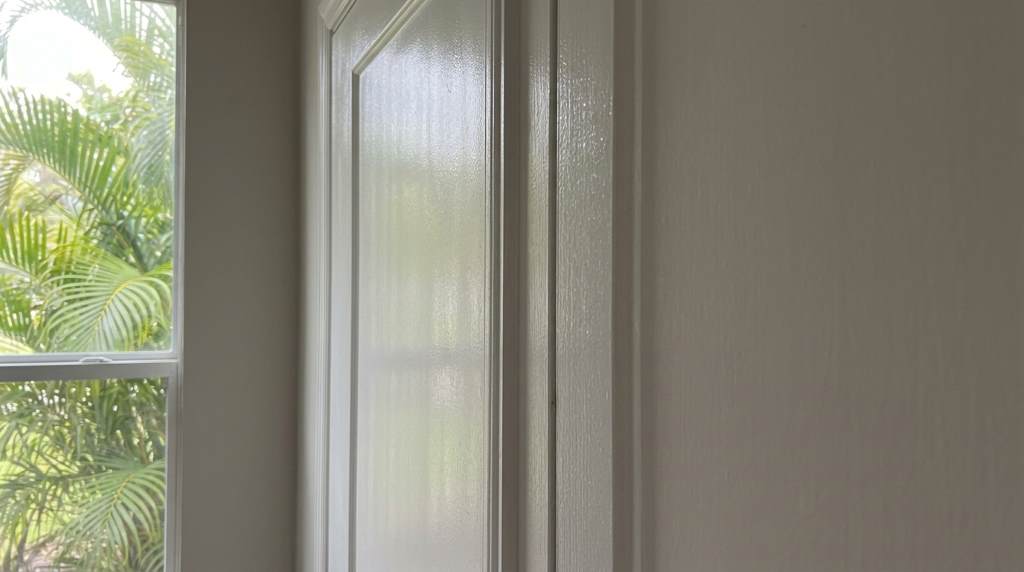
Wood naturally absorbs moisture from the surrounding environment. When humidity rises, wood fibers expand and increase in size. As a result, doors become slightly wider or thicker. Although the change seems minor, it often affects alignment significantly. Even a few millimeters can create operational problems.
Swollen wood frequently causes rubbing along door jambs. Homeowners may notice resistance when opening or closing doors. Furthermore, repeated friction damages paint and protective finishes. Once coatings deteriorate, moisture enters the wood more easily. The cycle then accelerates further deterioration.
Frame Distortion
Door frames also absorb moisture and respond similarly. Frames may expand unevenly depending on exposure levels. Consequently, one side can move more than another. This imbalance creates pressure points around the door. Alignment problems often begin with subtle frame movement.
Over time, distorted frames alter hinge positioning. The door no longer hangs as originally designed. Therefore, gaps appear at the top, bottom, or sides. These changes often worsen during humid seasons. Many Tampa homeowners notice seasonal fluctuations in door performance.
The Hidden Link Between Moisture and Foundation Movement
Many people blame the door itself for alignment problems. However, foundation movement often contributes to the issue. Excess moisture affects soil conditions around a property. As soil expands or contracts, structural components shift slightly. Those movements influence door operation throughout the home.
Tampa’s sandy soils drain differently than soils in other regions. Nevertheless, heavy rainfall can still create uneven moisture conditions. Certain areas around a foundation remain saturated longer. Consequently, portions of the structure may settle unevenly. Doors often reveal these shifts before other visible signs appear.
Garage structures experience similar challenges when moisture affects surrounding materials. Understanding a garage door hinges guide helps homeowners recognize stress points that develop from structural movement. Proper inspections often reveal issues before major failures occur.
Common Signs of Moisture Related Door Alignment Problems
Door alignment issues rarely appear overnight. Instead, warning signs usually develop gradually. Homeowners who act quickly can often avoid extensive repairs. Therefore, recognizing early symptoms is important. Small changes often indicate larger moisture concerns.
- Doors stick when opening or closing.
- Visible gaps appear around the frame.
- Door latches fail to engage properly.
- Paint begins peeling near edges.
- Hinges loosen repeatedly.
- Cracks form around surrounding trim.
- Floors near doors feel damp.
These symptoms often become more noticeable after rainy periods. Likewise, summer humidity tends to increase their severity. Monitoring seasonal patterns helps identify moisture as the underlying cause. Consistent observations provide valuable information for repair planning.
An Overlooked Cause: Moisture Cycling
Most articles discuss water damage and swelling. However, few discuss moisture cycling. This process occurs when materials repeatedly absorb and release moisture. The constant expansion and contraction gradually weakens structural stability. Over time, components lose their original dimensions.
Door frames subjected to moisture cycling often experience subtle warping. Initially, homeowners may not notice any changes. Yet repeated movement stresses joints and fasteners. Consequently, alignment problems become permanent rather than seasonal. This issue frequently affects older Tampa properties.
Moisture cycling also impacts fastener holding strength. Screws loosen as surrounding wood expands and contracts. Therefore, hinges shift slightly over time. Even strong hardware struggles when the supporting material weakens. Regular inspections help identify these changes early.
How Roof and Gutter Problems Contribute
Water management systems play a major role in door performance. Roof leaks often direct moisture into wall cavities. As a result, framing members absorb water continuously. The hidden moisture then affects nearby doors and windows. Many homeowners discover the connection only after significant damage occurs.
Clogged gutters create another common problem. Overflowing water saturates exterior walls and foundations. Consequently, structural materials remain damp longer than intended. Moisture migration gradually affects adjacent door openings. Preventive maintenance significantly reduces these risks.
Regular roof inspections help identify developing issues quickly. Likewise, clean gutters support effective drainage. These simple maintenance practices protect multiple building components. Therefore, they provide strong value for homeowners.
Interior Moisture Sources That Affect Doors
Outdoor humidity is not the only concern. Indoor moisture sources also contribute to alignment issues. Bathrooms, kitchens, and laundry rooms release substantial water vapor. Without proper ventilation, humidity accumulates throughout the home. Nearby doors often absorb the excess moisture.
Poorly maintained air conditioning systems create additional problems. Air conditioners help regulate indoor humidity levels. Therefore, reduced efficiency allows moisture to remain indoors longer. Elevated humidity affects wood products throughout the house. Door alignment problems often follow.
Houseplants, aquariums, and indoor drying racks can also raise humidity. While these items seem harmless, their combined effect matters. Consequently, indoor moisture levels may exceed recommended ranges. Monitoring humidity provides valuable insight into potential risks.
Preventing Door Alignment Problems in Tampa Homes
Control Indoor Humidity
Maintaining proper humidity levels remains one of the most effective strategies. Experts often recommend levels between 30% and 50%. Therefore, homeowners should monitor indoor conditions regularly. Hygrometers provide accurate readings at a low cost. Consistent monitoring supports informed decisions.
Dehumidifiers help reduce excess moisture during humid months. In addition, properly sized HVAC systems improve moisture control. Routine maintenance keeps equipment operating efficiently. Consequently, indoor conditions remain more stable year round.
Seal Exterior Openings
Small gaps around windows and doors allow moisture infiltration. Sealing these openings reduces humidity migration significantly. Furthermore, weatherstripping improves energy efficiency. The combination protects structural materials from unnecessary exposure. Preventive measures often deliver long term savings.
Improve Drainage
Proper drainage prevents water accumulation around foundations. Downspouts should direct water away from the structure. Likewise, grading should encourage runoff rather than pooling. These improvements reduce moisture exposure substantially. Better drainage protects multiple areas of the home.
Homeowners seeking inspiration for exterior upgrades often review modern Canadian garage door renovation concepts while improving moisture resistant design features. Although styles differ, many principles support durability and structural protection.
Repair Options for Existing Alignment Issues
The best repair depends on the root cause. Minor issues may require hinge adjustments or screw replacement. However, severe moisture damage often needs more extensive work. Therefore, accurate diagnosis remains essential. Temporary fixes rarely solve long term problems.
Contractors may plane swollen doors to restore clearance. In some cases, frame adjustments provide a better solution. Additionally, replacing damaged trim prevents further moisture intrusion. Professional evaluations help determine the most effective approach. Early intervention usually reduces total costs.
Structural repairs become necessary when foundation movement contributes to alignment issues. Addressing only the door often leads to recurring problems. Consequently, homeowners should investigate underlying causes carefully. Comprehensive repairs deliver more reliable results.
When to Call a Professional
Some alignment problems have simple solutions. Nevertheless, persistent issues often indicate deeper concerns. Doors that suddenly stop closing properly deserve prompt attention. Likewise, visible cracks around openings require further evaluation. Professional assessments provide clarity and direction.
Moisture meters and structural inspections reveal hidden conditions. Experts can identify water intrusion that remains invisible to homeowners. Therefore, professional evaluations often prevent larger repair bills. Timely action protects both comfort and property value.
Conclusion
Moisture remains one of the leading causes of door alignment issues in Tampa homes. High humidity, heavy rainfall, and fluctuating moisture levels affect doors, frames, and surrounding structures. Consequently, small problems can develop into significant repairs if ignored. Regular inspections, humidity control, and proper drainage provide strong protection. If your doors show signs of sticking, gaps, or misalignment, schedule a professional inspection and address moisture concerns before the damage spreads.
FAQs
Why does my door stick more during humid weather?
Humidity causes wood and framing materials to expand, which reduces door clearance.
Can moisture damage affect interior doors?
Yes, high indoor humidity can cause interior doors to swell and lose alignment.
How do I know if moisture causes my door problem?
Seasonal sticking, swelling, and nearby moisture signs often indicate humidity related issues.
Will a dehumidifier help prevent door alignment problems?
Yes, a dehumidifier helps maintain stable indoor humidity and reduces material expansion.
Should I replace a misaligned door immediately?
No, identify and correct the moisture source first to prevent recurring problems.