

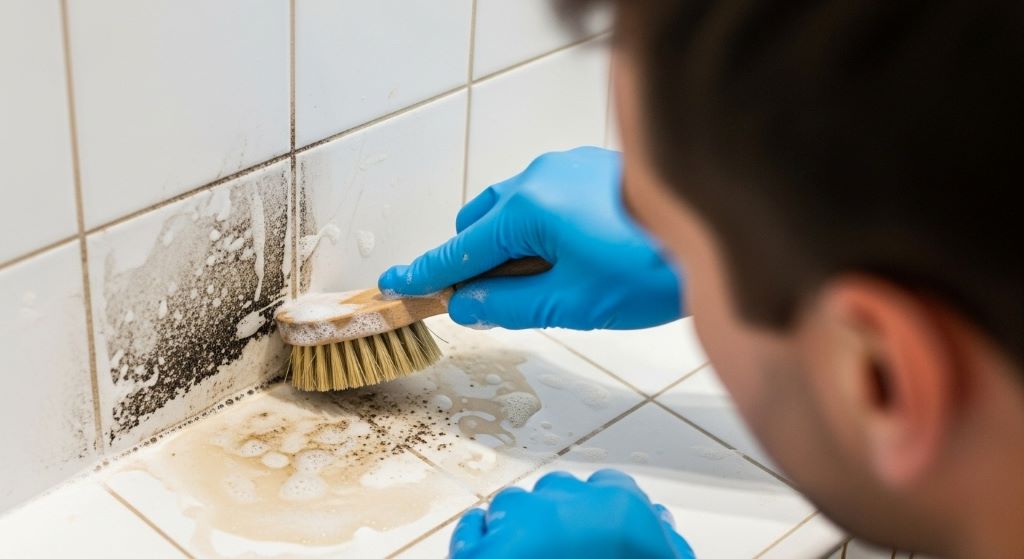
Bathrooms harbor more hidden dirt than most people realize. While surfaces may look clean, grime accumulates in overlooked spots. A well-designed cleaning checklist helps you tackle these problem areas systematically. Therefore, creating a comprehensive plan ensures nothing gets missed during your cleaning routine.
Understanding Where Hidden Grime Accumulates
Hidden grime thrives in places we rarely inspect. Consequently, these areas become breeding grounds for bacteria and mold. Understanding these hotspots is the first step in designing an effective checklist.
Grout lines between tiles trap moisture and soap residue. Similarly, the base of toilets collects dust and bacteria. Showerheads develop mineral deposits inside their nozzles. Additionally, exhaust fan vents gather thick layers of dust. Cabinet hinges and drawer tracks also accumulate sticky residue over time.
The spaces behind toilets often go unnoticed for months. Furthermore, the caulking around tubs and sinks deteriorates silently. Toothbrush holders develop mold in their bottom compartments. Light fixtures and ceiling corners collect cobwebs mixed with humidity. These spots require special attention in your cleaning plan.
Creating Your Foundation Checklist
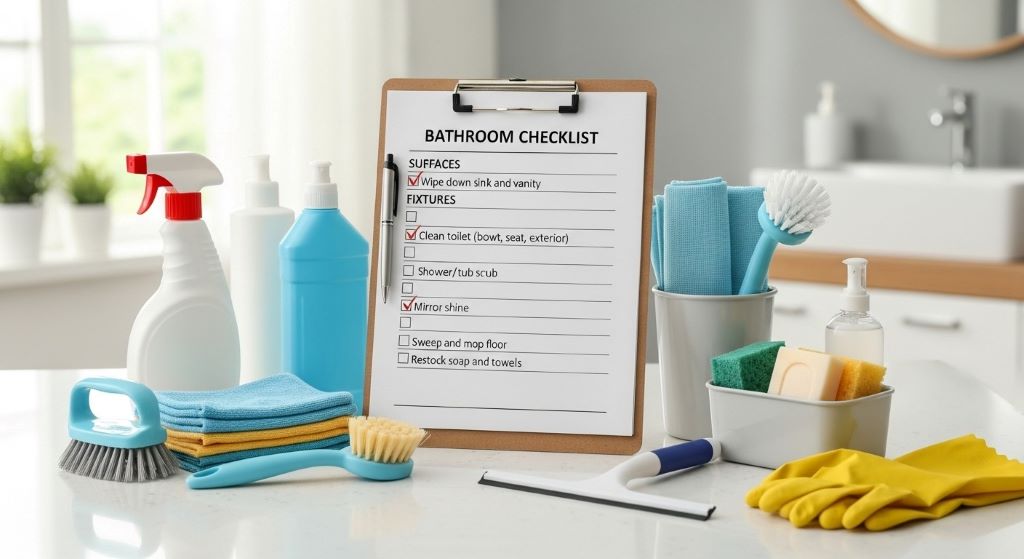
Start with a basic framework that covers daily, weekly, and monthly tasks. However, customize this template based on your bathroom’s specific needs. A good checklist should be realistic and achievable.
Begin by listing visible surfaces you clean regularly. Then, add the hidden spots you’ve identified. Organize tasks by frequency to avoid overwhelming yourself. Daily tasks should take five minutes or less. Weekly tasks might require thirty minutes. Monthly deep cleaning could take an hour or more.
Include specific cleaning methods for each item. For example, don’t just write “clean grout.” Instead, note “scrub grout with baking soda paste using old toothbrush.” This specificity helps anyone following the checklist achieve consistent results. Moreover, it eliminates guesswork during cleaning sessions.
Breaking Down Your Checklist by Frequency
Daily Quick Hits
Daily maintenance prevents grime buildup. Therefore, these tasks should be simple and fast. Wipe down the sink and faucet after each use. Squeegee shower walls to prevent water spots. Hang towels properly to allow drying. Empty the trash bin before it overflows.
Additionally, do a quick visual scan for any developing issues. Spotting problems early saves effort later. These daily habits take minimal time but deliver maximum impact.
Weekly Deep Focus
Weekly cleaning addresses areas that accumulate grime gradually. Start by scrubbing the toilet bowl, including under the rim. Clean the exterior of the toilet, especially around the base. Wash bathroom rugs and replace towels with fresh ones.
Furthermore, wipe down all countertops and mirrors thoroughly. Clean the shower or tub, including doors and tracks. Mop the floor, paying attention to corners and edges. Check and wipe down light switches and door handles. These high-touch surfaces harbor surprising amounts of bacteria.
Monthly Hidden Grime Targets
Monthly tasks focus on those sneaky spots. However, these areas significantly impact bathroom hygiene. Start by removing and cleaning the showerhead to eliminate mineral buildup. According to research from the Centers for Disease Control and Prevention, biofilm can develop in showerheads and harbor harmful bacteria.
Vacuum and wash the exhaust fan cover. Pull out drawers and clean the tracks. Wipe down cabinet interiors and organize as needed. Clean behind and around the toilet completely. Inspect and clean caulking and grout lines with appropriate products.
Additionally, wash shower curtains or liners in the washing machine. Descale faucets and fixtures with vinegar solution. Clean light fixtures and replace bulbs if needed. Wipe down baseboards and door frames. These tasks prevent long-term grime accumulation.
Organizing Your Checklist for Maximum Efficiency
Organization determines whether you’ll actually use your checklist. Therefore, make it accessible and user-friendly. Digital checklists work well for tech-savvy individuals. However, laminated paper versions suit those who prefer traditional methods.
Group tasks by bathroom zone rather than mixing locations. For instance, complete all toilet-related tasks together. Then, move to the sink area. Next, address the shower or tub. This approach reduces back-and-forth movement and saves time.
Color-code tasks by priority or frequency. Use red for urgent monthly tasks. Choose blue for weekly requirements. Mark daily tasks in green. Visual organization helps you quickly identify what needs attention. Furthermore, it makes the checklist less intimidating.
Tools and Products for Hidden Grime
The right tools make tackling hidden grime easier. Therefore, invest in specialized cleaning equipment. Old toothbrushes excel at scrubbing grout and tight corners. Microfiber cloths trap dirt better than regular rags. Extendable dusters reach ceiling vents and light fixtures.
Small brushes designed for bottle cleaning work perfectly for toothbrush holders. Grout brushes have stiff bristles for deep cleaning. Steam cleaners sanitize without harsh chemicals. Additionally, magic erasers remove stubborn stains from various surfaces.
Stock cleaning products for different materials. Use non-abrasive cleaners for acrylic tubs. Keep mold-specific solutions for grout and caulking. Have vinegar and baking soda for natural cleaning options. Store everything in a bathroom caddy for quick access. According to Good Housekeeping, having the right supplies readily available increases cleaning consistency.
Customizing for Your Bathroom’s Unique Needs
Every bathroom has different requirements. Therefore, adapt your checklist accordingly. Bathrooms with poor ventilation need more frequent mold checks. Hard water areas require regular descaling treatments. Households with children might need extra attention to lower surfaces.
Consider the number of people using the bathroom. High-traffic bathrooms need more frequent cleaning. Guest bathrooms might require less maintenance. Adjust task frequencies based on actual usage patterns. Moreover, account for any special features like bidets or multiple showerheads.
Add seasonal tasks to your checklist. Deep clean windows and tracks in spring. Check for mold growth during humid summer months. Inspect heating vents before winter. These periodic additions keep your bathroom in top condition year-round.
Implementing and Maintaining Your System
Creating the checklist is just the beginning. However, consistent implementation determines success. Set specific days for each cleaning level. Perhaps Tuesday for weekly tasks and the first Saturday monthly for deep cleaning.
Use reminders on your phone or calendar. Additionally, consider making cleaning a family responsibility. Assign age-appropriate tasks to household members. This approach teaches responsibility while lightening your load.
Track your progress to stay motivated. Check off completed tasks immediately. Review your checklist monthly to identify areas needing adjustment. Some tasks might need more or less frequent attention. Therefore, remain flexible and willing to modify your system.
Conclusion
Designing a bathroom cleaning checklist for hidden grime transforms overwhelming maintenance into manageable tasks. By identifying problem areas, organizing tasks by frequency, and using appropriate tools, you create a sustainable cleaning routine. Remember to customize your checklist based on your bathroom’s specific needs and adjust it over time. Consistent implementation prevents grime buildup and maintains a truly clean, healthy bathroom environment. Start with the foundation provided here, then refine your system as you discover what works best for your space.
Frequently Asked Questions
How often should I deep clean bathroom grout?
Deep clean grout every one to three months depending on bathroom usage and humidity levels. High-traffic bathrooms with poor ventilation need monthly attention. However, well-ventilated guest bathrooms might only require quarterly deep cleaning.
What’s the best natural solution for hidden grime?
A paste made from baking soda and water works excellently for most hidden grime. For tougher buildup, spray white vinegar after applying the paste. The fizzing reaction helps lift stubborn dirt without harsh chemicals.
How do I prevent mold in hard-to-reach bathroom areas?
Improve ventilation by running exhaust fans during and after showers for at least twenty minutes. Additionally, keep bathroom doors open when not in use. Apply mold-resistant caulk in moisture-prone areas and seal grout lines properly.
Should I clean my showerhead if water pressure seems fine?
Yes, mineral deposits and biofilm can accumulate inside even when water pressure appears normal. These buildups harbor bacteria and affect water quality. Clean showerheads monthly by soaking them in vinegar solution overnight.
What’s the most commonly missed spot in bathroom cleaning?
The area behind and around the toilet base is most frequently overlooked. Additionally, many people forget exhaust fan vents, light fixture tops, and the inside of cabinet doors. These spots accumulate significant grime over time.
Related Topics:
How to Remove Deck Stain from Vinyl Siding
Conquer the Clog: How to Unclog a Shower Drain Like a Pro