

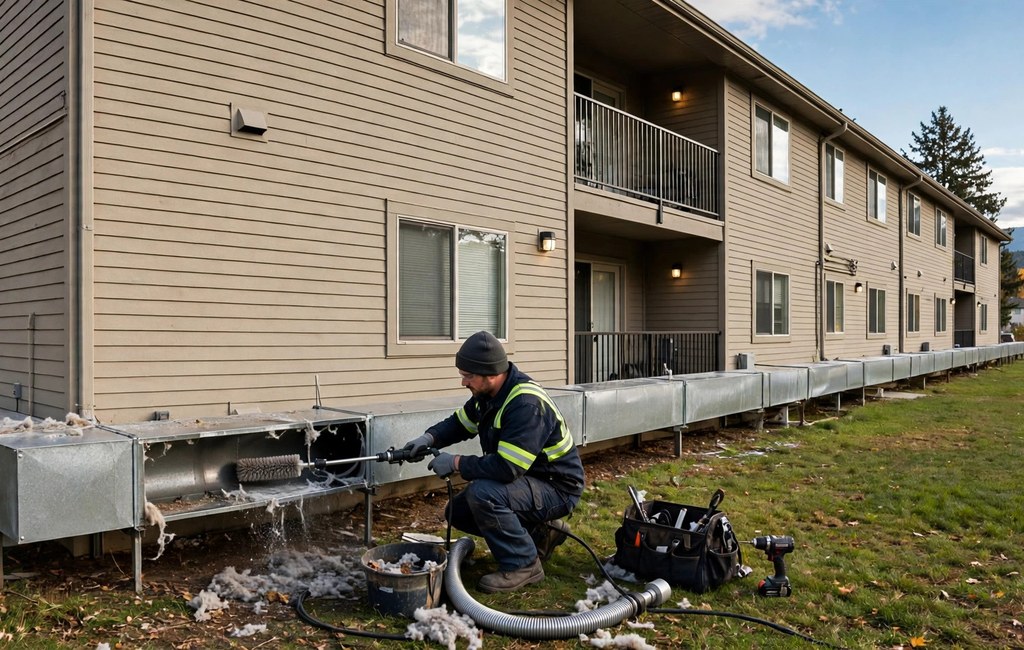
Your towels come out of the dryer warm, damp, and a little sad. You run a second cycle, then a third. The laundry room smells faintly of hot dust, and the outside of the machine feels hotter than it should. In an apartment, that’s not just an annoyance. It can be an early warning sign.
Clogged dryer vents are a well-documented fire hazard. The U.S. Fire Administration lists failure to clean as the leading cause of clothes dryer fires in homes. Multi-family buildings add wrinkles that single-family houses don’t have: longer vent runs, more bends, constant turnover, and the question of who is actually responsible. This guide covers all of it for tenants and property managers.
Why are apartment dryer vents more prone to problems?
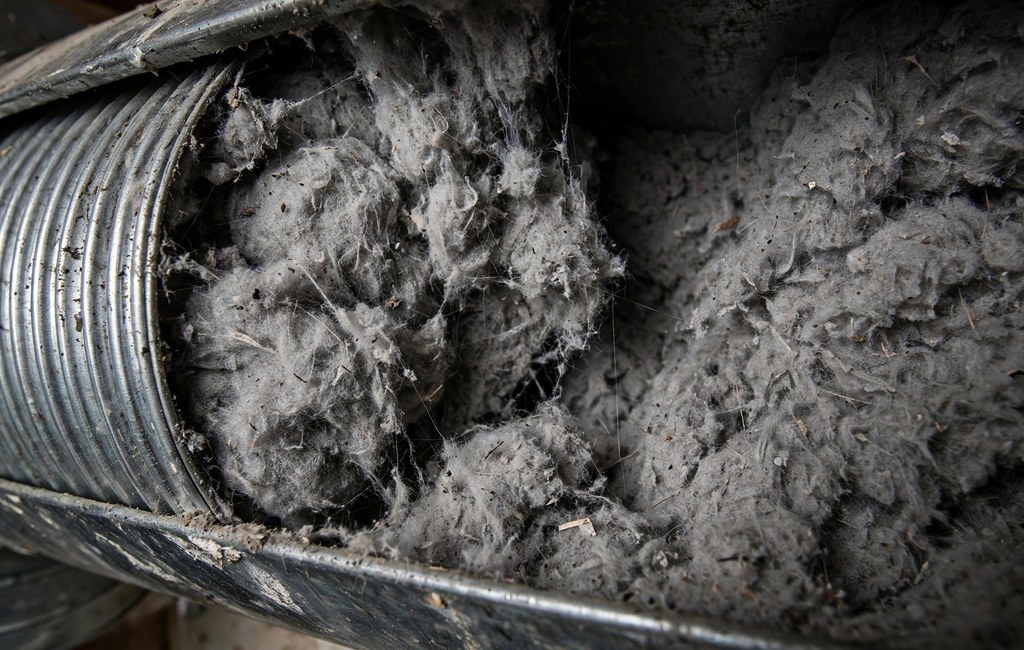
A house usually has a short, direct path from the dryer to an outside wall. Apartments are often different:
- Long runs. Vents may travel through walls, ceilings, or shafts to reach the roof or an exterior wall far from the unit. Longer runs let lint settle and make blockages more likely.
- Many bends. Each elbow slows airflow and gives lint a place to collect. Building codes commonly limit total vent length, and the International Residential Code, for example, sets a maximum with deductions for every bend. Local rules and the manufacturer’s instructions govern, so always check what applies to your building.
- Turnover. A new tenant may inherit a vent nobody has inspected for years.
- Flexible foil or vinyl connectors. These sag, trap lint, and can burn. Rigid or semi-rigid metal duct is a safer standard.
- Out-of-sight roof or wall terminations. Bird nests, lint caps, and stuck flaps can go unnoticed for years.
Who is responsible for apartment dryer vent cleaning?
It depends on the lease, the type of building, and local landlord-tenant rules, so treat this as general guidance, not legal advice. In many multi-family properties, the owner or manager is responsible for building-installed vent ductwork and the roof or wall terminations, while the tenant is responsible for cleaning the lint trap after each load and keeping the area around the dryer clear. Where the dryer is provided by the landlord, responsibility may extend to the machine as well. If your lease is silent, ask the property manager in writing, and if there’s a dispute, check your local housing regulations or consult a qualified professional.
How often should apartment dryer vents be cleaned?
Manufacturers and safety groups commonly recommend inspecting and cleaning dryer vents at least once a year, and more often for heavy use or long runs. For property managers, a practical plan looks like this:
- Annual inspection and cleaning of every unit’s vent, or building-wide on a set schedule.
- Inspection at unit turnover, before the next tenant moves in.
- Immediate service when a tenant reports long drying times, a burning smell, or excess heat.
- Roof or wall termination checks at least annually, ideally after storm season.
Tenants can help by cleaning the lint trap after every load, washing it occasionally with soap and water to remove fabric-softener film, and reporting problems promptly.
What warning signs should tenants watch for?
- Clothes take more than one cycle to dry.
- The dryer or the laundry area feels unusually hot.
- A burning or musty smell when the dryer runs.
- Excess lint around the dryer, or lint blowing back into the room.
- The outside vent flap doesn’t open when the dryer runs, or you see lint or debris around it.
If you smell burning, stop using the dryer and tell your property manager right away.
What does a professional dryer vent cleaning include?
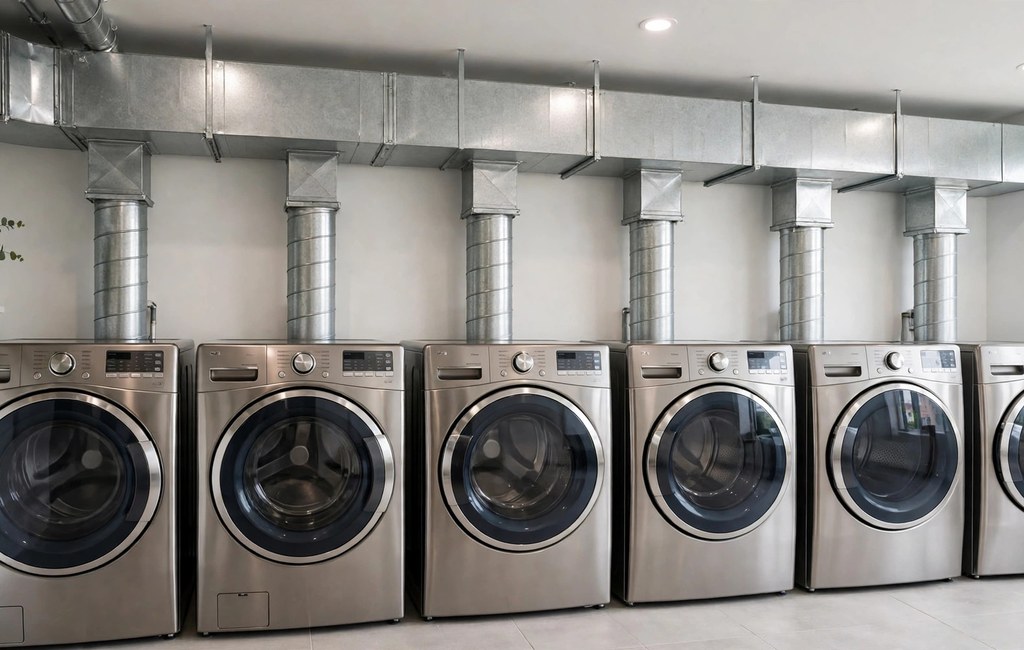
- Disconnecting the dryer and inspecting the duct and connections.
- Cleaning the vent line with rotary brushes or similar tools, paired with a powerful vacuum to capture lint.
- Clearing the exterior or roof termination and checking that the flap operates freely.
- Checking airflow at the termination to confirm the vent is moving air.
- Replacing damaged foil or vinyl transition duct with metal duct, and securing connections with clamps, not screws that catch lint.
- Reconnecting the dryer, pulling it back into position without crushing the duct, and documenting the work.
How should property managers handle logistics and records?
Group units by vent line or riser so crews can work efficiently and keep disruption low. Give tenants clear written notice with dates and time windows, and explain what the technician will do. Keep a log for every unit that records the date, findings, and any repairs, which helps with insurance, inspections, and tenant questions. Photos of the vent before and after, along with notes on any code concerns, add useful documentation. When requesting bids, ask the contractor to detail the scope per unit, the equipment they use, how they handle roof access, and what proof of insurance they provide.
What can tenants do on their own?
Clean the lint trap every load. Don’t run the dryer when you leave home or go to sleep. Keep the area behind and around the dryer free of clutter and lint. Don’t overload the machine, which strains airflow. And never vent a dryer into the room or into a closet, since that adds moisture and lint to your living space. Anything inside the wall or ductwork belongs to the building, so report concerns instead of trying to dismantle it yourself.
Frequently asked questions about apartment dryer vent cleaning
Can I clean my apartment’s dryer vent myself?
You can clean the lint trap and the accessible area behind the dryer. The vent inside walls or shafts is typically part of the building, so ask your landlord or property manager to arrange professional cleaning.
Does a landlord have to clean dryer vents?
It depends on the lease and local law. Many landlords are responsible for building-installed ductwork, but details vary, so check your lease and local regulations.
How much does apartment dryer vent cleaning cost?
Cost depends on the length and complexity of the run, access, and the number of units. Property managers often get better pricing by scheduling multiple units together.
Is a longer drying time always a sign of a clogged vent?
It’s a common sign, but not the only one. A worn dryer, an overloaded drum, or a failing heating element can also cause it. Vent inspection is a good first check.
Managing a building, or worried about your unit?
Our dryer vent specialists work with property managers and tenants across multi-family properties, with clear scheduling, unit-by-unit reports, and safe, code-aware repairs. Contact us today to schedule an inspection or request a building-wide quote.


