

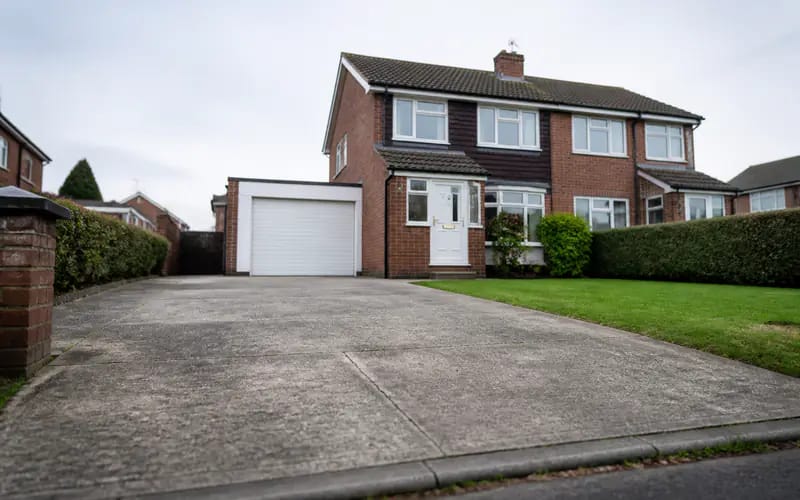
The big question is can you resurface your driveway with resin without having to excavate the whole thing first. The answer is yes but it will depend on the condition of the driveway and the state of the surfaces below it.
What Surfaces Resin Can Go Over
There are a number of different surfaces upon which resin bound and resin surfaces can be laid. Typically, these would be existing concrete, tarmac or block paving surfaces which have a solid base. The surface finish of the existing driveway is not as important as the base underneath. A perfectly smooth surface with a failing base will still fail. A slightly worn surface but with a good solid base will make a good resin driveway overlay.
Checking for Cracks Properly
While fine hairline cracks are no problem at all, and often only form as part of the surface’s natural ‘crazing’ as it ages, wider cracks are a different matter. Additionally, cracks that follow the joints between individual paving slabs, as well as those that have a discernible step or drop off in one direction are all indicative of underlying problems within the base below. While the resin surface may appear to cover them up for the short term, such cracks are likely to reappear within a few seasons.
The Scrape and Kick Test
A simple test for tarmac surfaces is the scrape test – try to scrape the surface with a screwdriver or the heel of your boot. If the surface crumbles or flakes off then the tarmac has obviously lost its binder and there won’t be anything for the resin to key into. A solid tarmac surface should feel hard to your touch and if you kick or walk on it, it should produce a dull, flat sound – not a hollow sound or a bouncy feel.
Spotting Drainage Problems
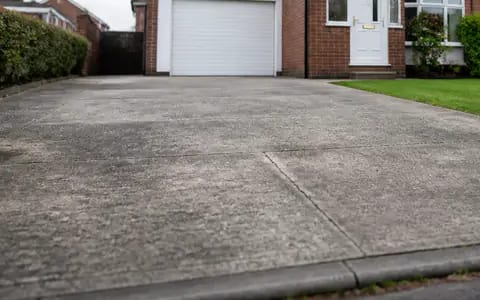
Watch for where water runs on your current driveway. Check for signs of water pooling in low places. A resin driveway is permeable but still needs to be laid on a fairly level surface to allow water to drain. Water that has been standing against your house or garage for long periods could be due to a poor fall. See also Resin Driveways Gloucester.
Preparing the Surface Beforehand
If the old driveway surface is to be covered with resin, it first has to be given a proper clean. This involves using a pressure washer to remove dirt, weeds, moss, algae and old oil stains. All existing weeds have to be killed before the resin is applied, and the area left to dry for a while before the first coat of resin is applied. A special primer is applied to the old surface before the resin to try and get the best bond between the two surfaces. Most poor resin driveway overlays fail very early in their life due to the primer not having been applied to the old surface.
When an Overlay Won’t Work
As already mentioned, some problems cannot be covered up with resin, not even with the best preparation. Large holes, sagging surfaces, uneven areas and shifts in the ground all require proper excavation and reconstruction. Driveways with loose or shifting block paving, uneven or sinking surfaces are not suitable for resin coating and require partial or full excavation down to the proper sub-base before relaying. Even surfaces that have shifted slightly in the ground can cause problems down the line even with the best surface finish.
Sorting Out Edges and Levels
Where your new resin driveway meets a lawn, flower bed or edge of driveway the surface needs to stop. This can be done using edge restraints, such as timber or plastic, or even metal trims. When joining your driveway to a step or threshold it is essential to get the levels just right. Not only does it look better but you also need to ensure that water does not run off the edge and end up in an area of the home that you do not want it to.
Why Overlaying Is Worth Checking First
Providing an effective Overlay Service – covering existing surfaces with resin – can save considerable time and above all money when compared to a full dig-out and relay. Though initial checks are required to determine whether an existing surface is suitable for resinicization and though such a surface must be prepared in like manner as for an initial application, a resinicized driveway can be made good within a day or so as opposed to fortnight or more it can take to complete a full dig-out and relay of the same area.
So you think you have a worn surface that needs covering? No need to demolish and remove it all, but do a simple check to find out if you can cover up with resin or not. It is always best to get a proper check-up done first to see if a resin coating is the right thing for you or if you need to start from scratch again.


