

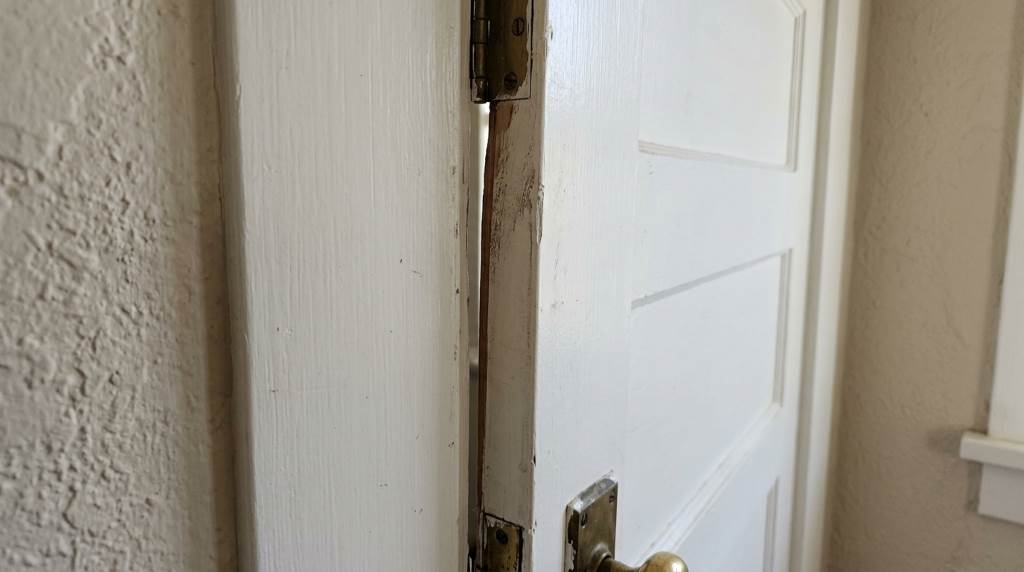
Few home repair problems feel as frustrating as installing hardware only to discover that it does not fit correctly. Whether you are dealing with cabinet handles, door hinges, drawer slides, shelving brackets, or mounting hardware, poor alignment can create both functional and cosmetic issues. Many homeowners in Sacramento face these challenges because of seasonal expansion, aging materials, remodeling mistakes, or simple installation errors.
According to the United States Department of Energy, air leakage and structural gaps around building components can reduce efficiency and contribute to wear over time. Additionally, data from the United States Census Bureau shows that a significant percentage of California homes were built before modern construction standards became common, increasing the likelihood of alignment and hardware fitting issues.
When homeowners need to fix misplaced screw holes, the solution often requires more than simply drilling another hole. Proper diagnosis helps prevent recurring damage while restoring functionality. Understanding how to repair hardware fit issues in Sacramento, CA can save time, reduce frustration, and improve the lifespan of household fixtures.
Understanding Hardware Fit Problems
Hardware fit issues occur when components fail to align, attach securely, or function as intended. These problems may appear immediately after installation or develop gradually over time.
Several factors contribute to hardware misalignment. Wood expansion during seasonal temperature changes can shift mounting positions. Structural settling can alter door and cabinet alignment. Moisture exposure may cause materials to swell or warp. In some situations, hidden damage such as signs of toxic mold inside walls can weaken mounting surfaces and create unexpected hardware movement.
Common Hardware Problems
- Loose cabinet handles
- Misaligned door hinges
- Drawer slides that stick
- Shelves that tilt
- Wall anchors pulling out
- Door locks failing to latch properly
- Furniture hardware shifting over time
Identifying the root cause remains the most important step before attempting any repair.
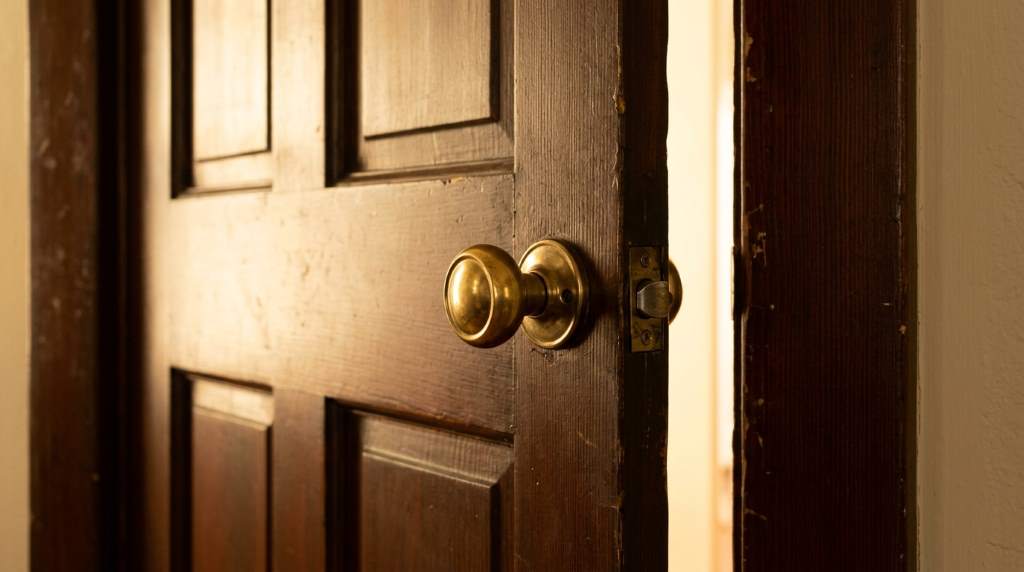
Why Sacramento Homes Experience Hardware Fit Issues
Sacramento’s climate creates unique conditions for residential structures. Hot summers and periods of moisture can affect wood, drywall, and fastening systems.
Many homes in the region experience minor expansion and contraction throughout the year. While these changes often go unnoticed, they can gradually affect hardware alignment. Older properties are particularly vulnerable because years of movement may accumulate into larger fitting problems.
Homeowners who frequently renovate interiors may also encounter alignment challenges. During room updates, furniture repositioning and design changes inspired by nursing home room decoration concepts or other remodeling trends can lead to new hardware installations that require precise measurements.
Environmental Factors That Affect Hardware
- Temperature fluctuations
- Humidity changes
- Building settlement
- Water intrusion
- Material aging
- Repeated use and wear
Because multiple factors often work together, repairs should address both the symptom and the underlying cause.
Inspecting the Problem Before Repairs
Successful repairs begin with a detailed inspection. Rather than immediately replacing hardware, take time to evaluate the surrounding materials.
Check Fastener Condition
Examine screws, bolts, anchors, and brackets. Stripped threads, rust, or bent components often indicate the source of the problem.
Inspect Mounting Surfaces
Look closely at drywall, wood, metal, or composite materials around the hardware. Cracks, softness, or enlargement of mounting holes can prevent secure installation.
Verify Alignment
Use a level and measuring tape to determine whether components sit correctly. Even small deviations can cause significant operational issues.
Decorative upgrades involving custom shelving or artistic projects inspired by handmade clay decor displays often require exact alignment to maintain both appearance and function.
How to Repair Stripped Screw Holes
Stripped screw holes represent one of the most common hardware fitting issues.
Wood Surface Repairs
Remove the hardware and clean the damaged hole. Insert wood filler, wooden dowels, or glued toothpicks into the opening. Allow the repair material to cure fully before drilling a pilot hole and reinstalling the hardware.
Drywall Surface Repairs
For drywall, replace weak anchors with appropriately sized wall anchors designed for the expected load. Larger anchors often restore stability without requiring extensive wall repairs.
Important Tip
Avoid simply installing a larger screw unless the surrounding material remains structurally sound. Otherwise, the repair may fail again within a short period.
Fixing Misaligned Cabinet Hardware
Cabinet hardware often shifts because of repeated opening and closing.
Correcting Handle Placement
Remove the handle and verify measurement spacing. Fill old holes if necessary and mark new locations carefully using a cabinet hardware template.
Adjusting Hinges
Many modern cabinet hinges include adjustment screws that allow horizontal, vertical, and depth corrections. Small adjustments can restore proper door alignment without replacing components.
After adjustment, test the door multiple times to confirm smooth operation.
Repairing Door Hardware Fit Issues
Doors experience constant movement, making hardware repairs especially important.
Realigning Hinges
Loose hinge screws frequently cause sagging. Remove damaged screws and replace them with longer screws that reach solid framing behind the door jamb.
Correcting Strike Plate Alignment
If the latch misses the strike plate, inspect the door position. Minor adjustments to the strike plate often restore proper engagement.
Addressing Structural Movement
When alignment problems continue after hardware adjustments, structural settling may be contributing to the issue. In these cases, further evaluation of the door frame becomes necessary.
Resolving Drawer Slide Problems
Drawer slides require precise positioning to function correctly.
Inspect Slide Tracks
Remove the drawer and inspect both track assemblies. Dirt, debris, and bent components commonly create resistance.
Check Mounting Points
Loose mounting screws allow tracks to shift. Tightening or replacing fasteners often resolves the problem quickly.
Replace Damaged Slides
When slides show excessive wear, replacement typically provides a more reliable solution than repeated adjustments.
Repairing Wall Mounted Hardware
Wall mounted hardware includes shelves, televisions, mirrors, coat hooks, and storage systems.
Evaluate Weight Distribution
Improper load distribution frequently causes hardware failure. Verify that fasteners match the weight requirements.
Locate Structural Support
Whenever possible, mount hardware directly into wall studs rather than relying solely on drywall anchors.
Reinforce Weak Areas
If previous installations damaged the wall, repair the affected area before reinstalling hardware. Reinforcement improves long term stability.
Preventing Future Hardware Fit Issues
Preventive maintenance reduces the likelihood of recurring alignment problems.
Use Quality Fasteners
Select fasteners appropriate for the material and expected load.
Perform Regular Inspections
Inspect frequently used hardware several times each year. Early detection prevents small issues from becoming major repairs.
Control Indoor Moisture
Maintaining balanced indoor humidity helps minimize wood movement and material deterioration.
Follow Manufacturer Guidelines
Installation instructions provide important details regarding spacing, load limits, and fastening requirements.
When Professional Help Makes Sense
Some hardware fit problems indicate deeper structural concerns. Persistent misalignment, recurring fastener failure, wall damage, or widespread settling may require professional evaluation.
Experienced technicians can identify hidden issues that affect hardware performance. Professional repairs often address underlying causes rather than temporary symptoms, resulting in more durable outcomes.
Conclusion
Learning how to repair hardware fit issues in Sacramento, CA starts with understanding why the problem developed. Careful inspection, accurate measurements, proper fasteners, and appropriate repair techniques can restore functionality to doors, cabinets, drawers, shelves, and wall mounted fixtures.
While many repairs remain manageable for homeowners, recurring issues may point to moisture damage, structural movement, or material deterioration. By addressing problems early and following proven repair practices, you can improve safety, appearance, and long term performance throughout your home. Start with a thorough inspection today and correct small hardware issues before they become larger repair projects.
Frequently Asked Questions
What causes hardware fit issues in homes?
Wood movement, moisture exposure, structural settling, and installation errors commonly cause hardware fit problems.
Can stripped screw holes be repaired without replacing hardware?
Yes, filling and reinforcing the damaged hole often allows the existing hardware to be reinstalled securely.
Why do cabinet doors become misaligned over time?
Frequent use, loose hinges, and seasonal material expansion can gradually shift cabinet door alignment.
Should I replace hardware if it no longer fits correctly?
Not always, because many fit issues can be corrected through adjustment and surface repair.
How often should hardware be inspected?
Inspecting household hardware at least twice each year helps identify problems before they worsen.

