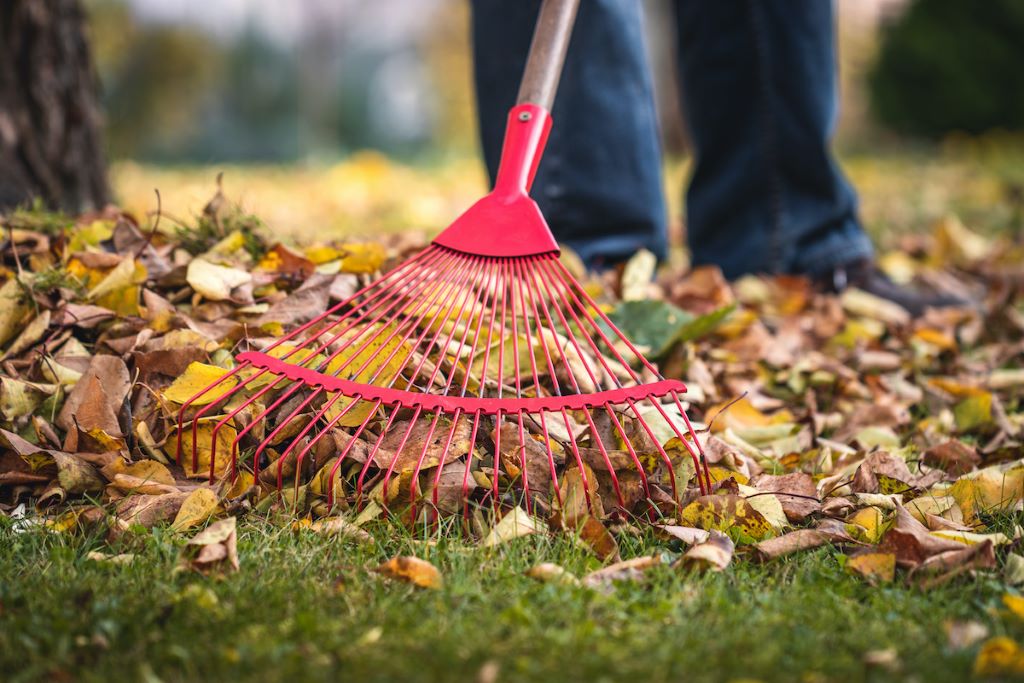

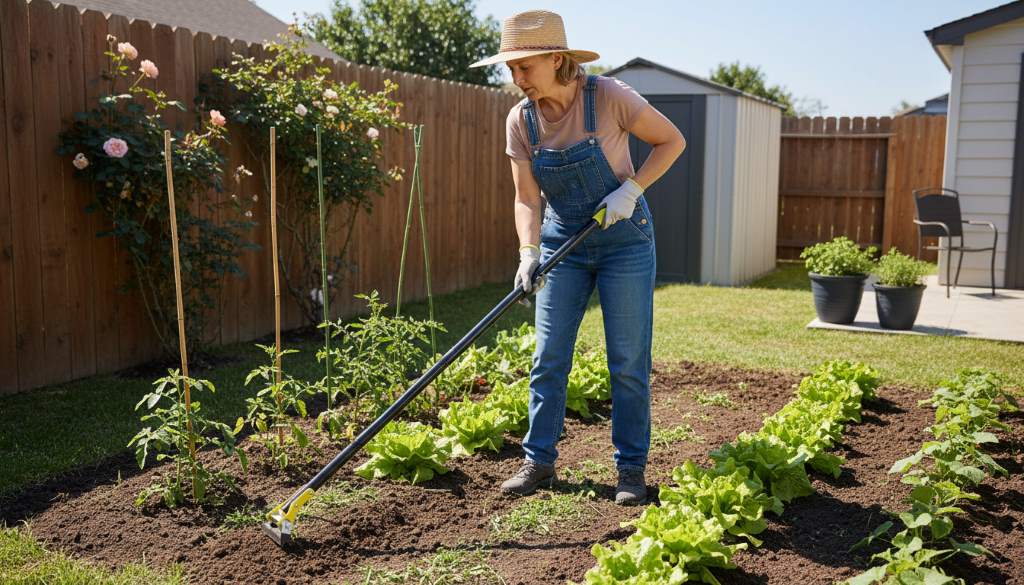
Gardening brings joy to millions. Imagine stepping into your backyard and seeing neat rows of vegetables or vibrant flowers free from weeds. A good hoe makes that vision real with minimal effort. In fact, over 55% of American households now engage in gardening activities, involving more than 185 million people. Moreover, 77% of gardeners report that working in their yards boosts mental health. These timeless tools help you weed, cultivate, and shape soil effectively. If you’re ready to upgrade your toolkit, check out Lawn and Garden Hoe for a reliable option that tackles tough jobs. This guide explores the must-know hoes that transform your gardening experience.
Why Hoes Remain Essential Garden Tools
Gardeners rely on hoes for good reasons. These tools cut weeds at the root, loosen soil, and create furrows for planting. Unlike hand-pulling weeds, hoeing covers large areas quickly and reduces back strain.
Additionally, proper hoe use preserves soil structure. Shallow cuts disturb only the top layer, which protects beneficial microbes below. University extension services note that this method supports healthier plant growth over time.
Furthermore, hoes save time. Studies show gardeners who use the right hoe finish weeding tasks up to 30% faster than those using only hand tools. Transitioning to the correct type changes everything.
Understanding the Main Types of Garden Hoes
Gardeners choose from several hoe designs. Each type excels at specific tasks. Knowing these differences helps you pick the best one for your needs.
However, most fall into draw hoes or push-pull hoes. Draw hoes pull toward you, while push-pull models work in both directions. Let’s explore the essentials.
The Classic Draw Hoe
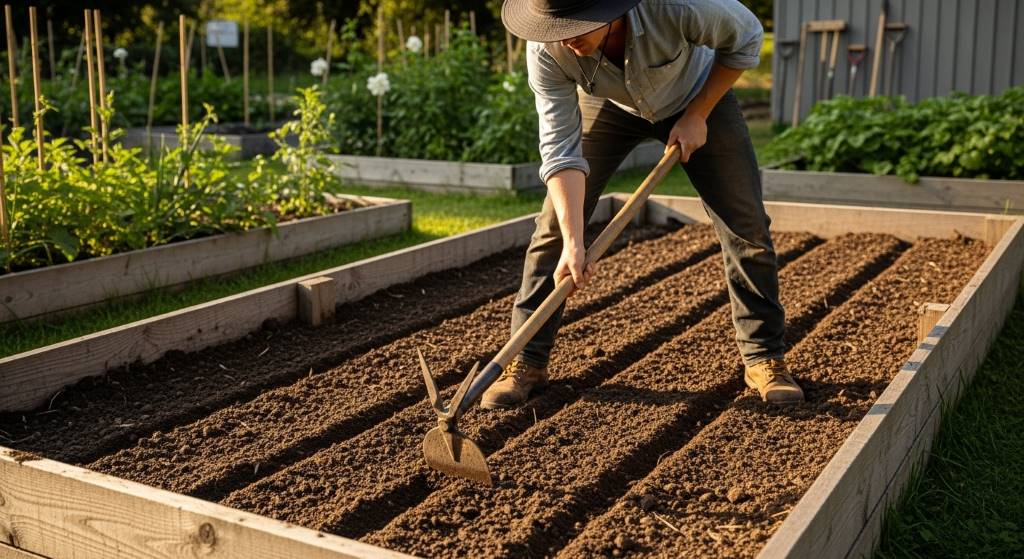
Gardeners turn to the draw hoe first. This traditional design features a flat blade at a right angle to the handle. You chop and pull soil toward yourself.
Draw hoes break up hard ground effectively. They dig trenches and mound soil around plants. Many vegetable gardeners use them for initial bed preparation.
Pros include:
- Heavy-duty chopping power for tough soil
- Versatile for digging and hilling potatoes
- Wide blade covers ground quickly
Cons involve more physical effort on compacted clay. Still, a sharp draw hoe handles most backyard challenges.
The Efficient Scuffle Hoe (Stirrup Hoe)
Scuffle hoes revolutionize weeding. Their looped blade oscillates as you push and pull. This action slices weeds just below the surface.
These hoes disturb minimal soil. They prevent weed seeds from germinating deeper. Many experts call them the best for maintaining established beds.
You glide the blade back and forth. Weeds fall cleanly without uprooting your crops. Gardeners with large plots love this speed.
Advantages feature:
- Fast weeding in both directions
- Reduced soil disruption for better moisture retention
- Ergonomic stance that eases back pain
Variations include fixed or adjustable loops. Either way, scuffle hoes top lists for everyday use.
The Precise Dutch Hoe
Dutch hoes push forward only. Their angled blade skims the soil surface. You stand upright and glide it along.
This design excels at removing tiny weed seedlings. It prevents them from establishing roots. Flower bed maintainers prefer this gentle approach.
Moreover, Dutch hoes cultivate lightly between rows. They aerate without damaging shallow roots. Long handles promote comfortable posture.
Key benefits cover:
- Upright working position for less fatigue
- Excellent for precision in tight spaces
- Sharp edge cuts weeds cleanly on the push
Gardeners often combine Dutch hoes with other types for complete control.
The Specialized Warren Hoe
Warren hoes sport a triangular blade with a pointed end. This shape creates perfect furrows for seeding.
You draw the point through soil to make narrow trenches. Ideal for carrots, beans, or onions. The flat sides clean up edges neatly.
These hoes also weed in confined areas. The point gets close to plant stems without harm. Raised bed gardeners find them invaluable.
Highlights include:
- Sharp point for precise furrow making
- Dual edges for weeding and shaping
- Compact head fits between plants easily
A Warren hoe adds accuracy to your seeding routine.
The Heavy-Duty Grub Hoe
Grub hoes handle tough jobs. Their thick blade chops through roots and sod. One side often features an adze for digging.
You swing this tool for breaking new ground. It removes stubborn perennials or prepares rocky soil. Landscapers use it frequently.
Though heavier, it powers through challenges. Pair it with lighter hoes for daily tasks.
Strengths involve:
- Robust construction for hard clay or roots
- Dual-purpose blade for chopping and digging
- Long-lasting edge on demanding work
Reserve the grub hoe for initial clearing projects.
The Innovative Collinear Hoe
Collinear hoes feature a thin, rectangular blade parallel to the handle. You stand straight and sweep lightly.
This design, developed by Eliot Coleman, minimizes strain. The blade slices weeds at soil level with little effort.
Organic farmers praise its efficiency. It cultivates finely without inverting soil layers.
Perks highlight:
- Ergonomic design reduces bending
- Ultra-light touch for frequent use
- Precise control in dense plantings
Try a collinear hoe for low-impact maintenance.
How to Choose the Right Hoe for Your Garden
Selecting a hoe starts with your soil type. Clay needs heavier draw or grub models. Sandy soils suit lighter scuffle types.
Next, consider your garden size. Large plots benefit from push-pull efficiency. Small beds work well with precise Warren or Dutch hoes.
Handle length matters too. Taller gardeners need longer shafts for comfort. Fiberglass or wood options balance weight and durability.
Finally, think about tasks. Weeding dominates? Choose scuffle. Seeding often? Grab a Warren. Many gardeners own two or three types.
Proper Techniques for Effective Hoeing
Mastering technique maximizes results. Start with a sharp blade. Dull edges require more force and damage plants.
Stand comfortably. Keep your back straight. Use legs for power rather than arms.
For scuffle hoes, employ short strokes. Push forward, then pull back. Let the blade do the work.
With draw hoes, chop at an angle. Pull soil toward you in controlled motions. Avoid deep cuts that disturb roots.
Hoe when soil is dry. Wet ground clumps and resists. Early morning works best after dew evaporates.
Regular passes prevent weed growth. Weekly light hoeing beats infrequent heavy sessions.
Maintenance Tips to Keep Hoes Performing Well
Clean your hoe after each use. Remove soil and sap with a wire brush. Dry thoroughly to prevent rust.
Sharpen the blade regularly. Use a mill file at the original bevel angle. A few strokes per side maintain edge.
Store hoes properly. Hang them or stand upright. Avoid leaving blades in dirt.
Oil metal parts occasionally. This protects against moisture. Wood handles benefit from linseed oil treatments.
Inspect for damage. Tighten loose heads. Replace cracked handles promptly.
Good care extends tool life for decades. Quality hoes become family heirlooms.
Common Mistakes Gardeners Make with Hoes
Many beginners hoe too deeply. This brings weed seeds to the surface. Stay shallow for best control.
Others wait too long between sessions. Large weeds resist cutting. Frequent light passes work better.
Poor posture causes strain. Bend knees, not back. Take breaks to avoid fatigue.
Using the wrong hoe frustrates efforts. Match tool to task for smooth progress.
Finally, neglecting sharpening reduces efficiency. Keep edges keen for clean cuts.
Avoid these pitfalls. Your garden will thank you.
Related:
Can You Grow Peonies in Pots? The Complete Guide to Container Peony Gardening
How to Design a Drought-Resistant Garden for Hot Climates
Advanced Tips from Experienced Gardeners
Seasoned growers hoe in patterns. They work rows systematically to cover ground evenly.
Some combine hoeing with mulching. After weeding, add organic layers to suppress future growth.
Others use hoes for harvesting. Draw types lift root crops gently.
Experiment with angles. Slight adjustments change cutting depth.
Share tools with neighbors. Community gardens benefit from varied hoe collections.
These insights come from years in the dirt. Apply them gradually.
Conclusion
Garden hoes simplify essential tasks. From classic draw models to innovative scuffle designs, each type serves specific needs. Choose wisely, use proper technique, and maintain your tools well.
Your garden rewards consistent effort. Healthy soil and weed-free beds produce abundant harvests. Start small if you’re new. Add types as your skills grow.
Ready to transform your space? Grab your favorite hoe and get started today. Your plants will thrive under your care.
FAQs
What is the best garden hoe for weeding?
Scuffle or stirrup hoes excel at weeding. Their push-pull action slices weeds efficiently with minimal soil disturbance. Many gardeners prefer them for speed and ease.
How do I sharpen a garden hoe?
Use a mill file on the beveled edge. Draw the file away from the blade in long strokes. Maintain the original angle. Finish with a whetstone for finer edge.
Can I use a hoe in flower beds?
Yes, choose lighter models like Dutch or collinear hoes. Their gentle action avoids damaging delicate roots. Work carefully around established plants.
When is the best time to hoe the garden?
Hoe on dry days after morning dew dries. Weeds cut cleanly and die quickly in sun. Avoid wet soil which clumps on the blade.
How many hoes does a gardener need?
Most manage with two or three. A scuffle for weeding, a draw for cultivating, and perhaps a Warren for seeding cover common tasks effectively.
References
- University of California Agriculture and Natural Resources: https://ucanr.edu/blog/backyard-gardener/article/hoes-under-utilized-tool
- Penn State Extension: https://extension.psu.edu/using-the-right-tool-is-self-care
- National Gardening Association Survey Data via RubyHome: https://www.rubyhome.com/blog/gardening-stats
- BBC Gardeners World Magazine: https://www.gardenersworld.com/reviews/tools/best-garden-hoes-reviews