


Every new parent knows the scene. You juggle groceries, a crying baby, and a dog that desperately needs a walk. Chaos feels normal. Then one simple tool changes everything.
The best baby carriers 2025 give parents their hands back while keeping baby close, calm, and happy. For real-world proof, look no further than the ergonomic, lightweight, supportive Momcozy carrier that thousands of parents trust daily Best baby carriers 2025.
Research backs the magic. A classic 1986 Pediatrics study showed extra carrying cuts infant crying by 43% during the day and 51% at night. More recent 2024 studies confirm babywearing boosts oxytocin in both parent and child, strengthening bonds from the very first weeks.
In short, the right carrier transforms diaper changes, errands, and dog walks into peaceful, connected moments. This is hands-free parenting gear built for real life.
What Babywearing Really Means for Modern Parents
Babywearing simply means carrying your baby against your body using a carrier. Cultures around the world have done it for centuries. Today’s versions just make it safer and more comfortable.
Parents choose babywearing for busy parents because it offers freedom. You cook, shop, work, or play with older kids while your baby stays snug and content. Studies from the American Academy of Pediatrics show skin-to-skin and close carrying improve breastfeeding rates, reduce colic, and help babies regulate temperature and heart rate.
The result? Less crying, happier babies, and far less stress for you.
Why 2025 Carriers Are Different (and Better)
This year’s top carriers focus on three things parents actually need:
- Ergonomic design that protects baby hips and your back
- Lightweight fabrics so you can wear all day without overheating
- Supportive structure that grows from newborn (with insert) to toddler (usually 45 lbs)
These upgrades matter. Older carriers often forced awkward positions. New models keep baby in the doctor-recommended “M” position with knees above bum and spine gently curved. Parents report wearing their 30-pound toddlers for hours with zero pain.
Real-Life Scenarios Where the Best Carriers Save the Day
Diaper Changes Without Drama
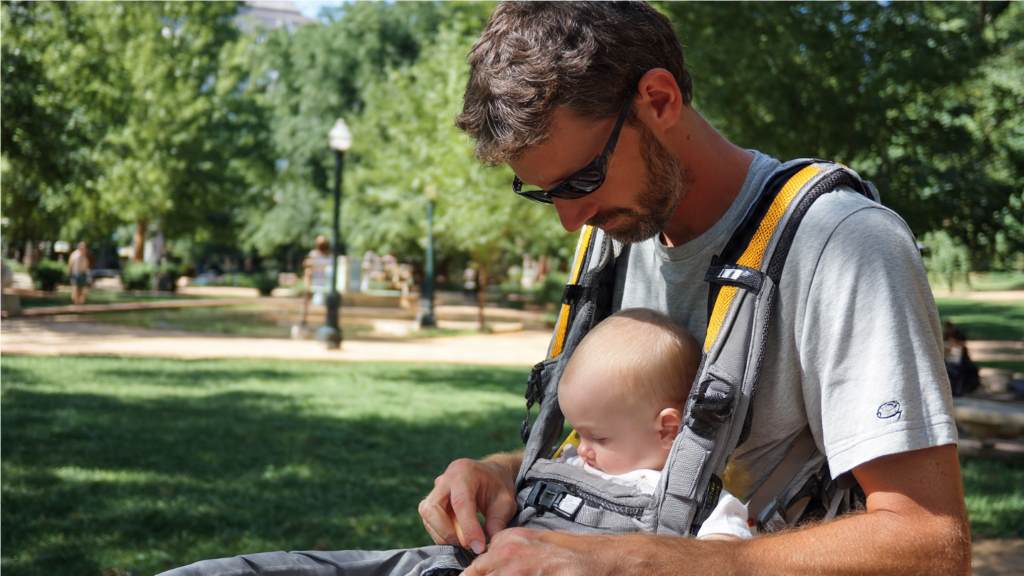
You’re in the park. Baby needs a change. Instead of hunting for a bench or laying a blanket on dirty ground, you keep baby in the carrier, reach into your bag, and handle it standing up. Done in two minutes. Everyone stays calm.
Walking the Dog (Finally)
No more guilt about skipping the dog’s evening walk. Clip the leash, pop baby in the carrier, and go. Both dog and baby get what they need while you log steps and fresh air.
Grocery Runs and Household Chores
Hands-free parenting gear shines here. You push the cart, load bags, vacuum, or fold laundry while baby naps against your chest.
Traveling with Ease
Airports, zoos, hiking trails – places strollers struggle become simple when baby rides on you.
Key Features to Look For in the Best Baby Carriers 2025
Choose wisely and you’ll use your carrier daily. Look for these must-haves:
- Wide, padded shoulder straps that distribute weight
- Supportive waist belt to take pressure off shoulders
- Breathable mesh panels for hot days
- Multiple carrying positions (front inward, front outward, hip, back)
- Machine-washable fabric (because spit-up happens)
- Acknowledged by the International Hip Dysplasia Institute
Carriers meeting these standards keep both baby and parent comfortable for hours.
Safety First: Guidelines Every Parent Needs
Safe babywearing is easy when you follow the T.I.C.K.S. rule:
- Tight – close enough to kiss
- In view at all times
- Close enough to kiss
- Keep chin off chest
- Supported back
Always check that airways stay clear and legs form the proper “M” shape. Reputable 2025 carriers build these principles into the design.
How Babywearing Strengthens the Parent-Child Bond
Science shows close physical contact releases oxytocin – the “love hormone.” More oxytocin means stronger emotional connection, better mood regulation for baby, and lower rates of postpartum depression for parents.
Many moms say babywearing helped them “read” their baby’s cues faster. Dads love it too – it’s an instant way to soothe and bond without needing bottles or toys.
Which Carrier Style Fits Your Lifestyle?
- Soft-structured carriers (buckles): fastest on/off, great for most families
- Wraps: customizable fit, perfect for newborns
- Ring slings: quick hip carries for older babies
- Meh dai / half-buckles: blend of wrap comfort and structured ease
Most parents end up owning two: one structured carrier for long wears and one sling for quick ups and downs.
Conclusion
The best baby carriers 2025 do far more than hold your baby. They give you freedom, reduce crying, protect little hips, and deepen your bond – all while letting you live your life.
From quick diaper changes in the parking lot to peaceful evening dog walks, the right carrier turns overwhelming days into manageable, joyful ones.
Ready for hands-free parenting that actually works? Start with a carrier designed for real parents in 2025. Your future self (and your dog) will thank you.
FAQs
What age can my baby start using a carrier?
Newborns can go in from day one with most quality carriers (using the infant insert when needed). Always check weight minimums – usually 7–8 lbs.
Can I babywear a toddler?
Yes! Many 2025 carriers support up to 45–60 lbs. Toddlers often ask to be carried when tired or overwhelmed – it’s still bonding time.
Is babywearing safe in hot weather?
Choose breathable mesh carriers and dress baby in light layers. Take breaks in shade and stay hydrated.
Will carrying my baby spoil them?
No. Research shows responsive carrying builds secure attachment and actually leads to more independent children later.
How long can I wear my baby each day?
As long as both of you stay comfortable. Many parents wear 3–6 hours total, spread throughout the day.
References
- American Academy of Pediatrics – Safe Babywearing Guidelines
https://www.aap.org/en/patient-care/newborn-and-infant-nutrition/newborn-and-infant-care/babywearing/
- Hunziker UA, Barr RG. Increased carrying reduces infant crying: a randomized controlled trial. Pediatrics. 1986
https://pubmed.ncbi.nlm.nih.gov/3517799/
- International Hip Dysplasia Institute – Carrier Recommendations
https://hipdysplasia.org/baby-carriers-seats-and-other-equipment/